




Introduction
In today's fast-paced world, where digital distractions constantly compete for our attention, many yoga practitioners find themselves going through the motions without truly connecting to their practice. You might recognize this pattern: moving from pose to pose while mentally planning your grocery list or replaying work conversations. This disconnect between physical movement and mental presence is precisely what mindful yoga practice aims to bridge.
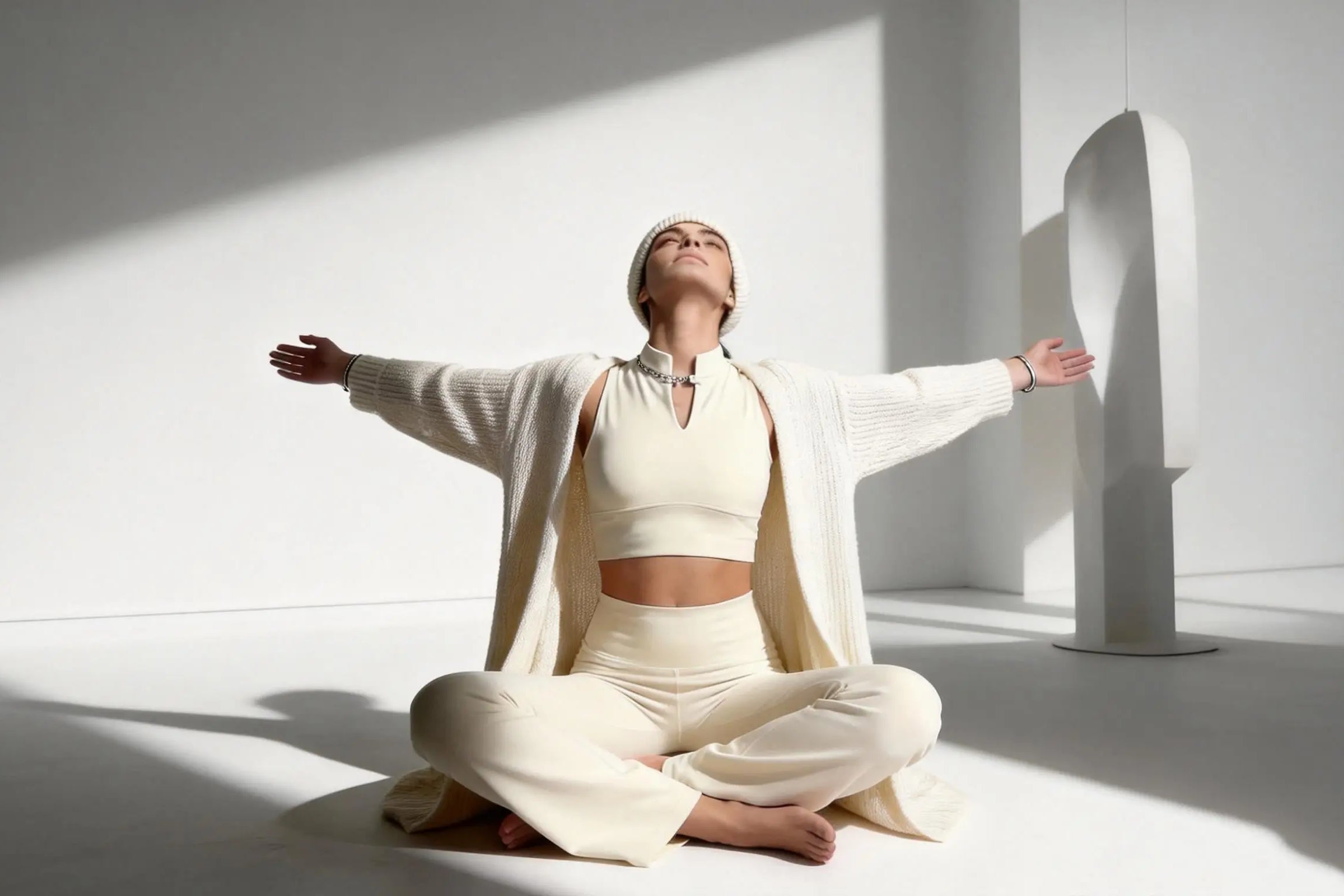
Mindful yoga represents a fundamental shift in approach—from treating yoga as merely physical exercise to embracing it as an integrated mind-body practice. This transformation centers on three interconnected pillars: breath awareness, body consciousness, and present-moment being. When these elements converge, your yoga practice becomes more than just a series of poses; it becomes a moving meditation that cultivates awareness both on and off the mat.
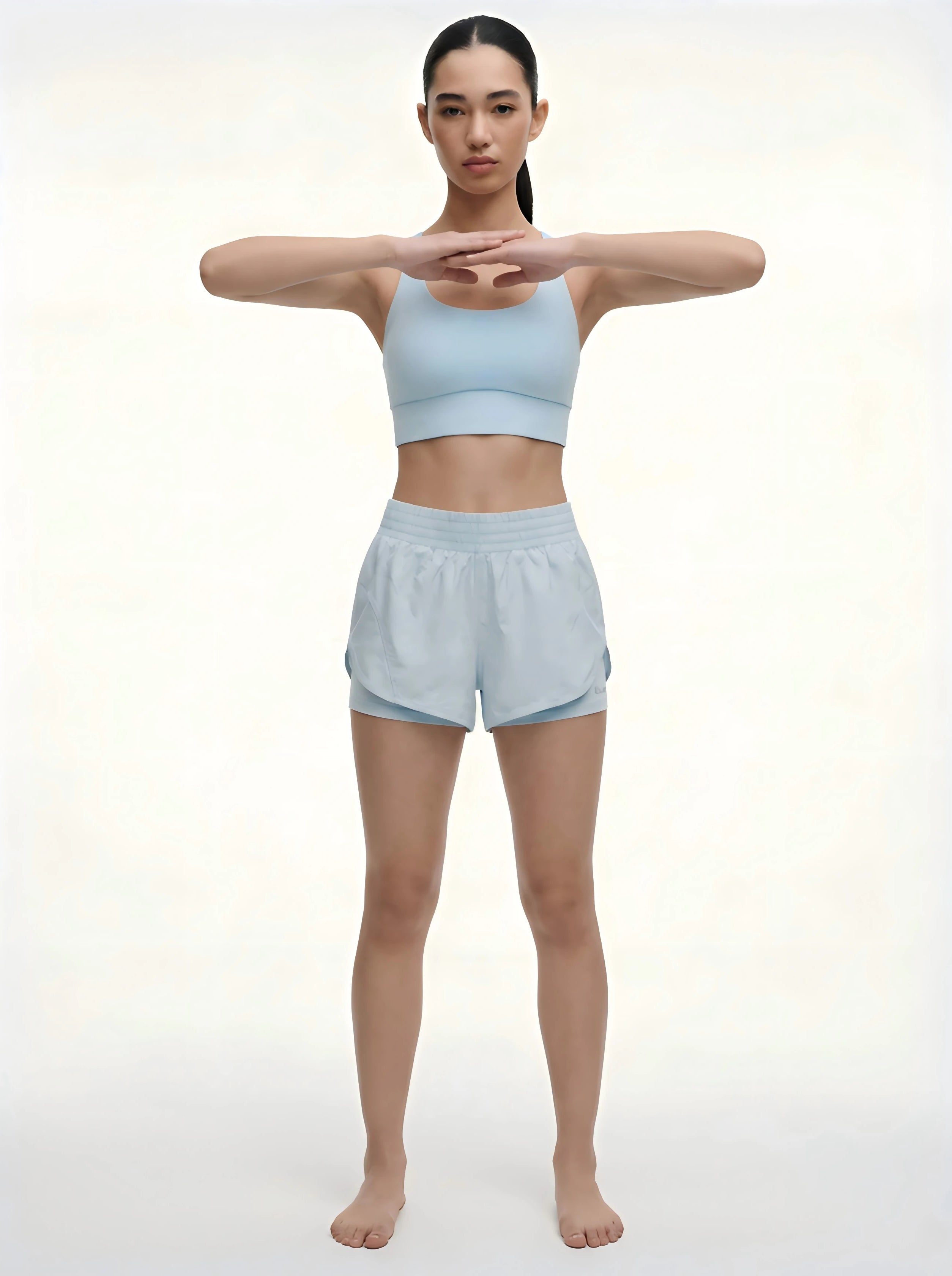
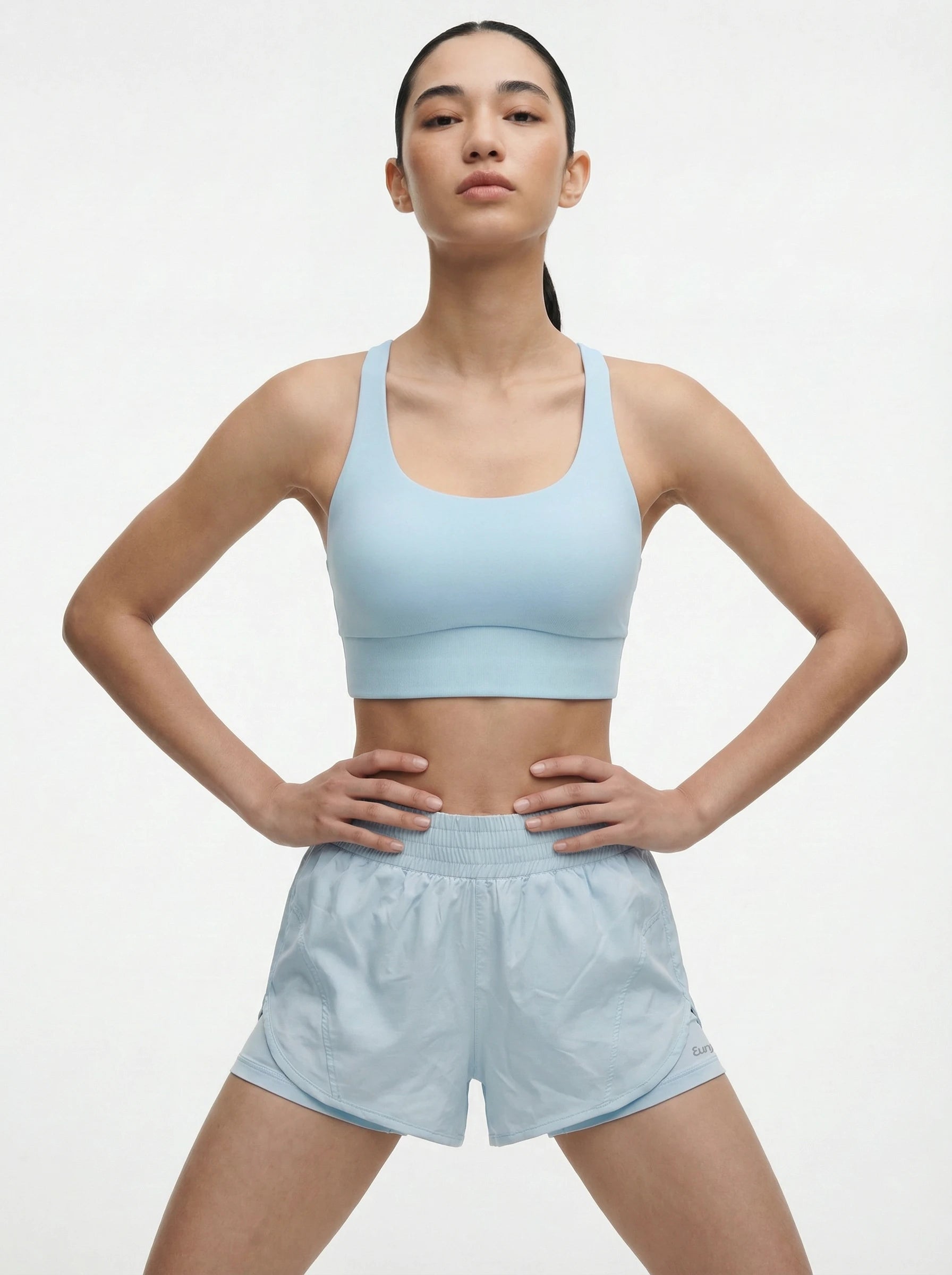
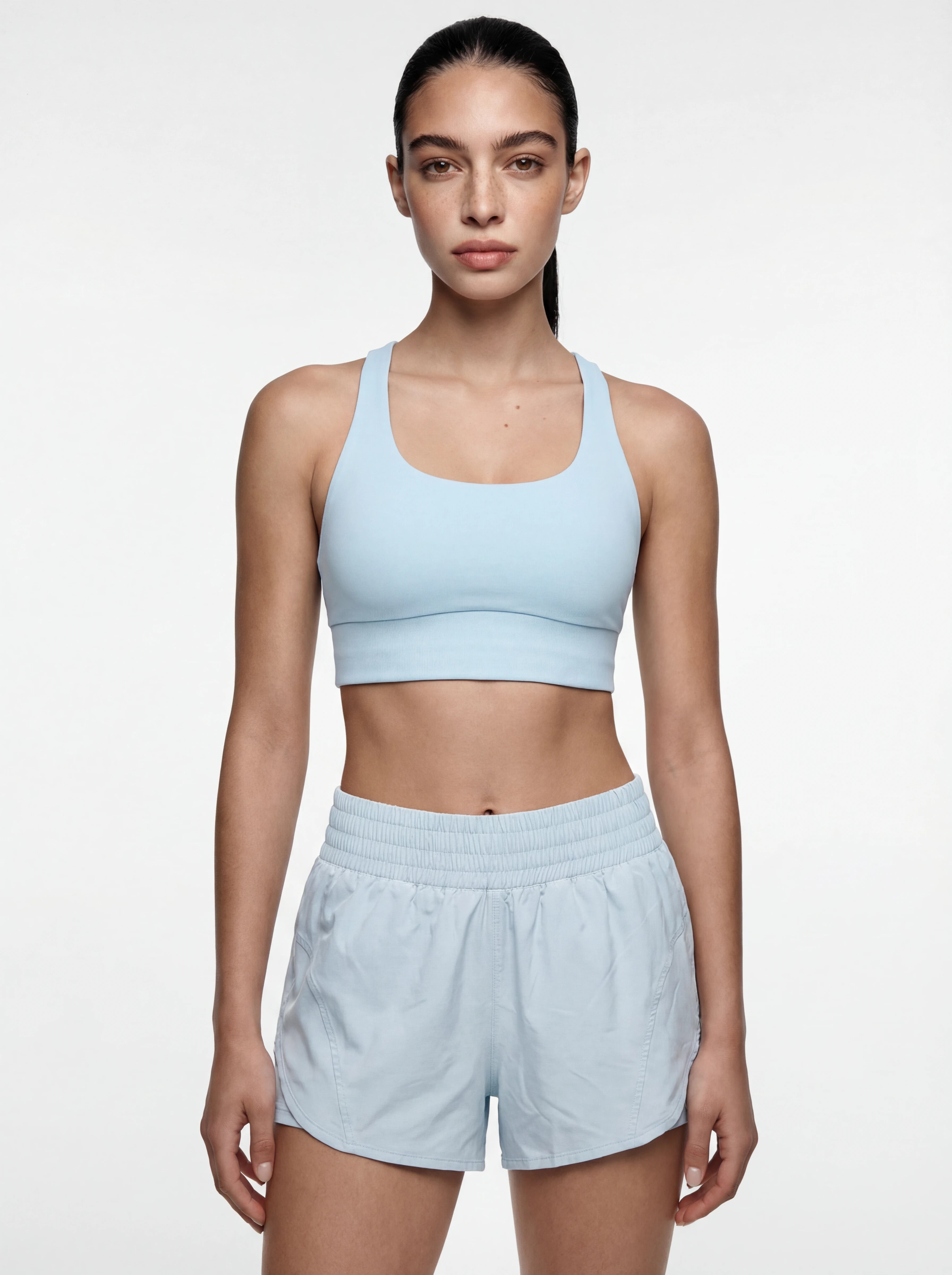
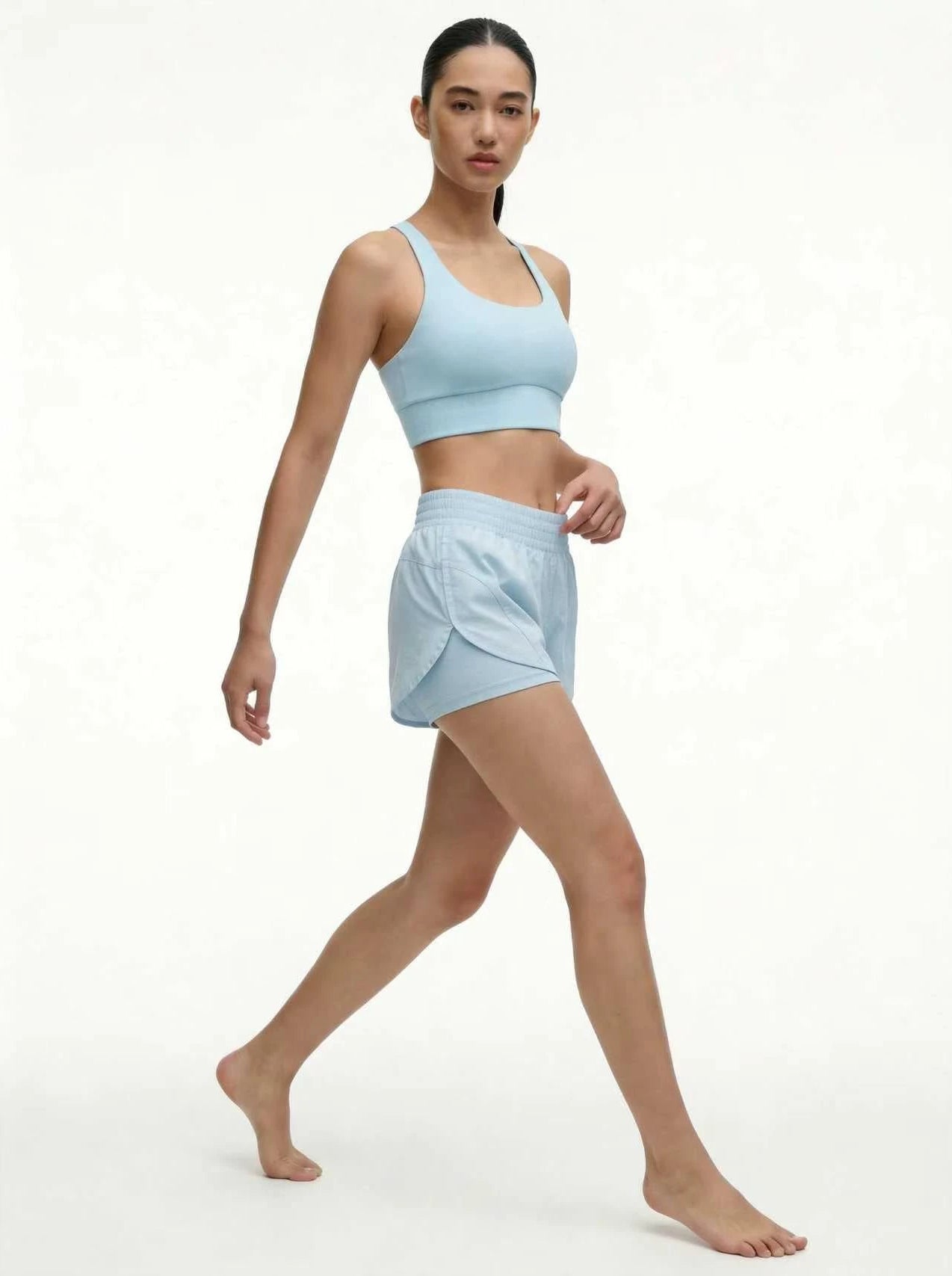
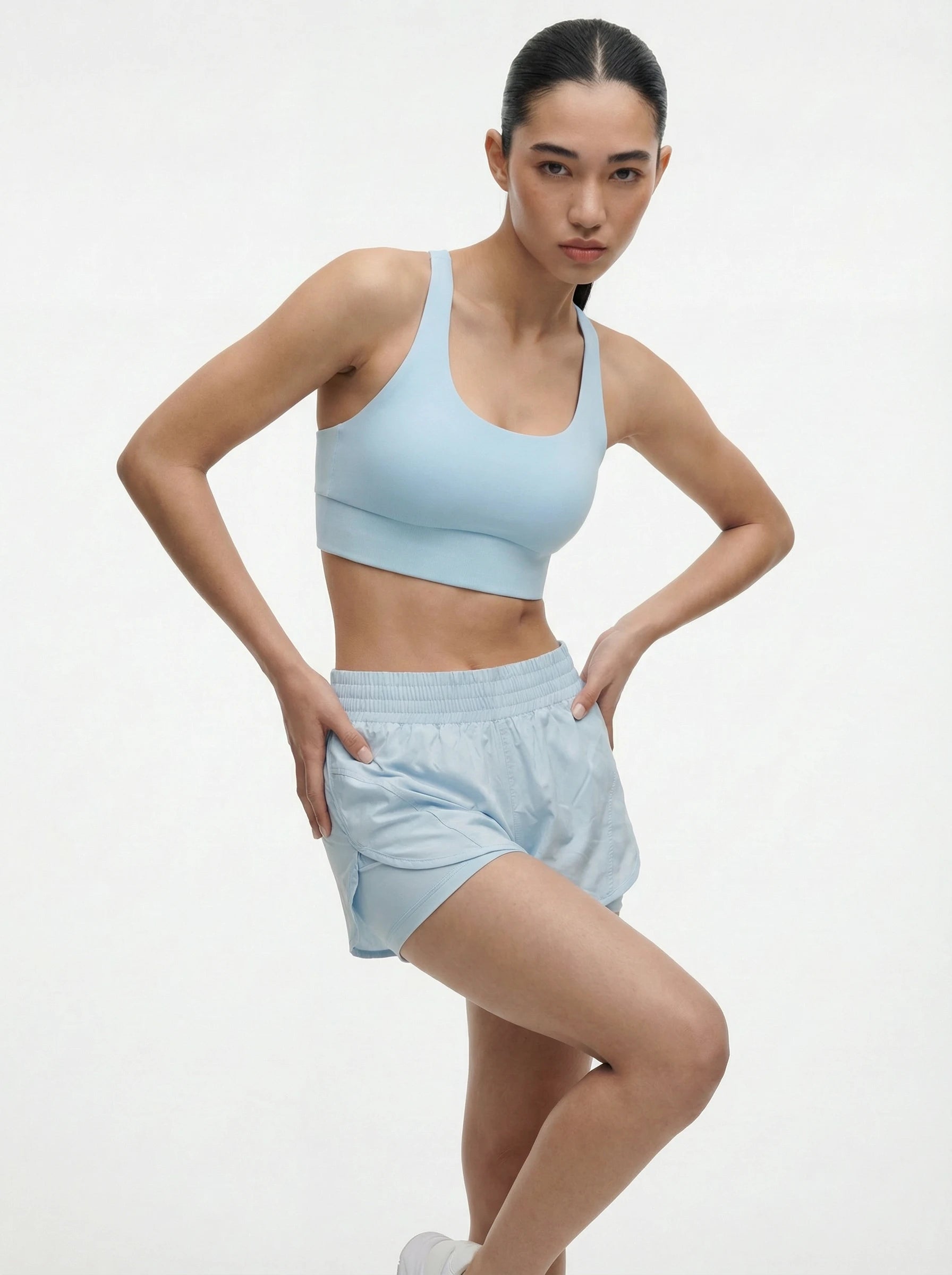
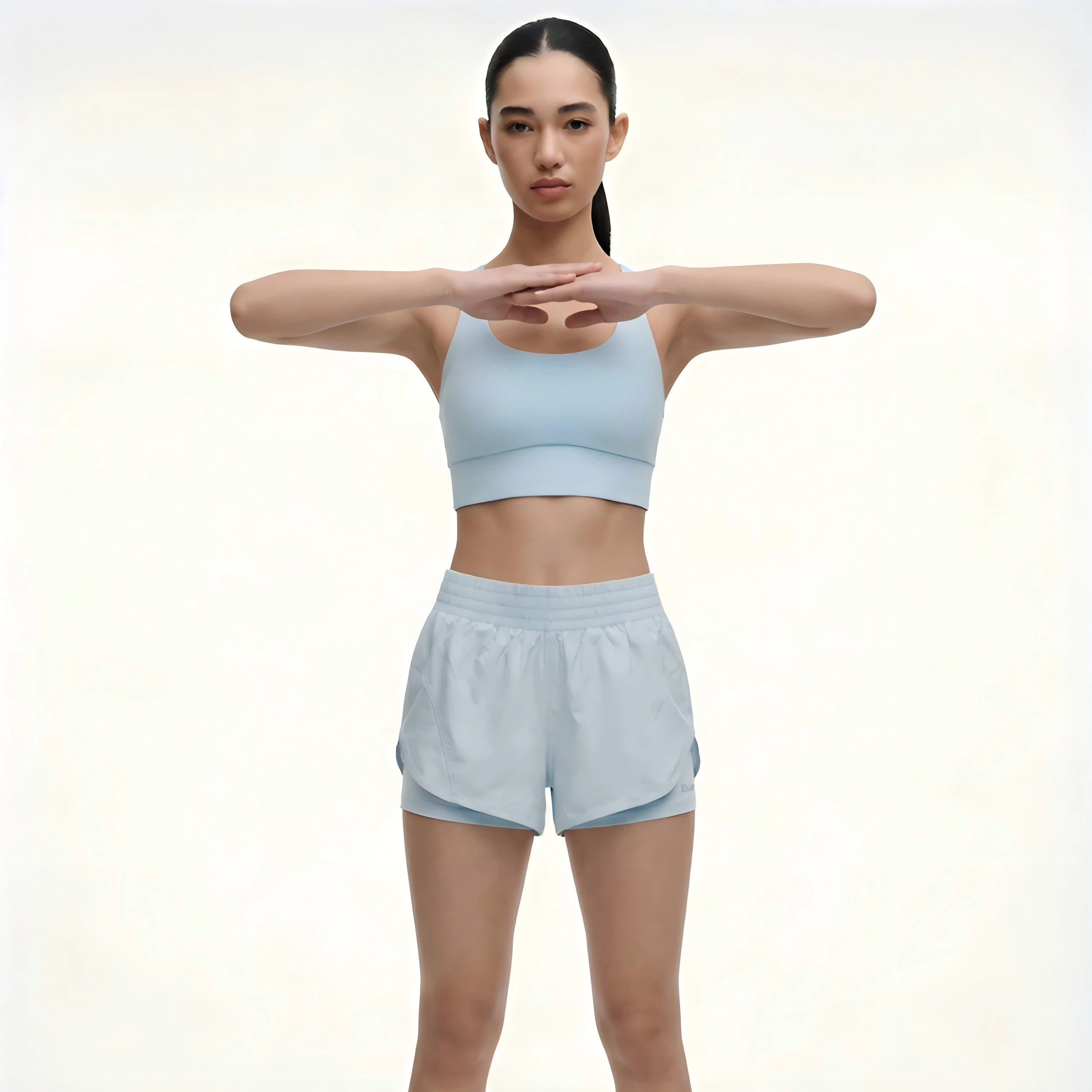
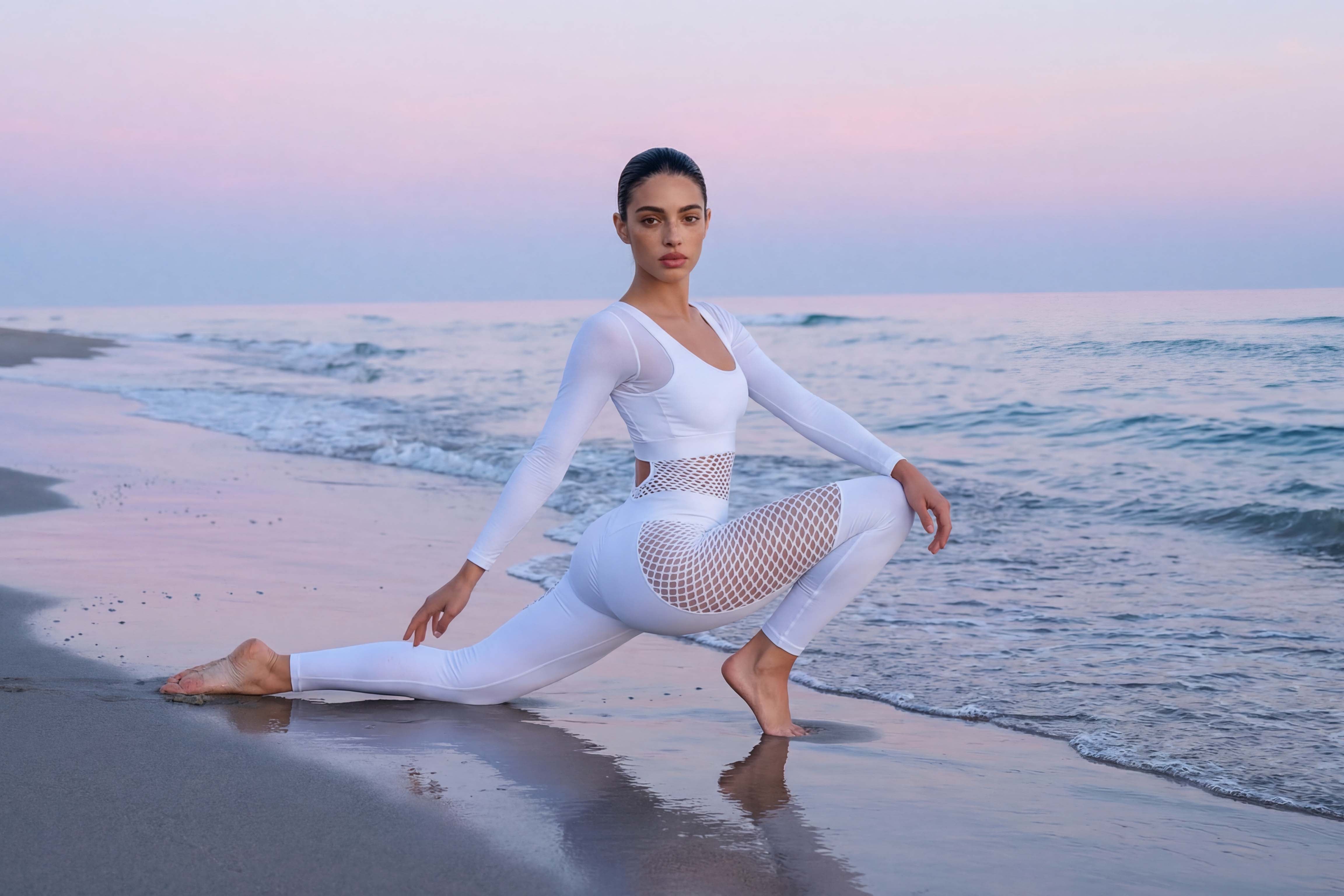
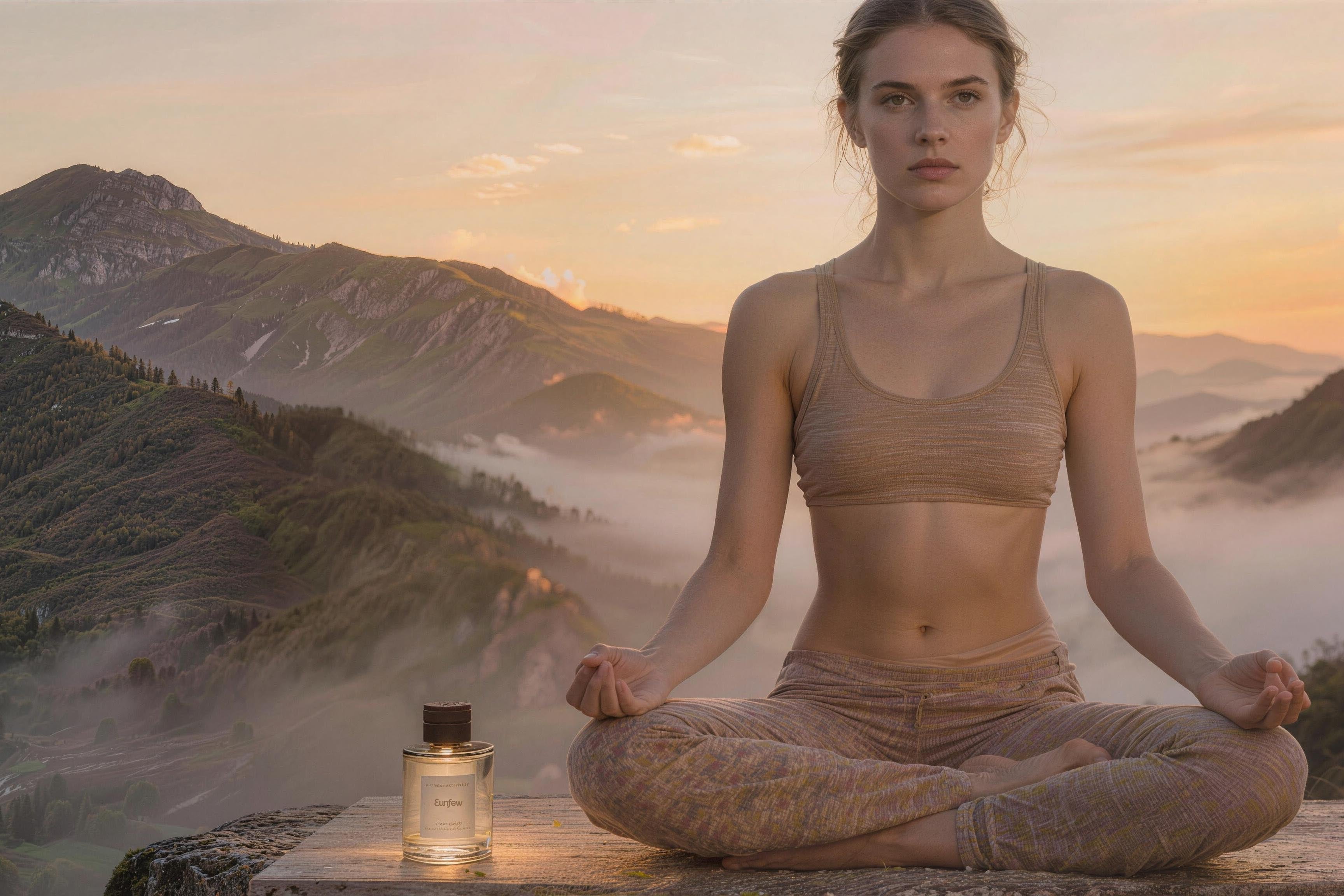
At Eunfew, we've designed our collections to support this holistic approach. Our philosophy of "Eastern Zen x Modern Movement Science" recognizes that what you wear during practice significantly influences your ability to stay present. The right apparel should enhance, not hinder, your mindful connection.

The Three Pillars of Mindful Yoga Practice
Breath Awareness: The Anchor of Present Moment
Your breath serves as the most accessible gateway to mindfulness during yoga practice. Scientific research confirms that conscious breathing directly impacts your physiological state. A comprehensive meta-analysis published in Psychoneuroendocrinology found that yoga practices incorporating mindful breathing significantly reduced cortisol levels (the primary stress hormone) and improved heart rate variability—key indicators of stress resilience .
Practical Breath Techniques for Mindful Yoga:
-
Diaphragmatic Breathing: Place one hand on your chest and the other on your belly. Inhale deeply through your nose, feeling your belly expand. Exhale slowly, feeling your belly contract. This activates the parasympathetic nervous system, promoting relaxation.
-
Equal Breathing (Sama Vritti): Inhale for a count of four, then exhale for a count of four. This balanced breathing pattern creates mental equilibrium and focus.
-
Alternate Nostril Breathing (Nadi Shodhana): This ancient pranayama technique, demonstrated in the video below, balances the right and left hemispheres of your brain, creating mental clarity and emotional stability.
Video: Learn Nadi Shodhana (Alternate Nostril Breathing) with Clare Connolly Wellness
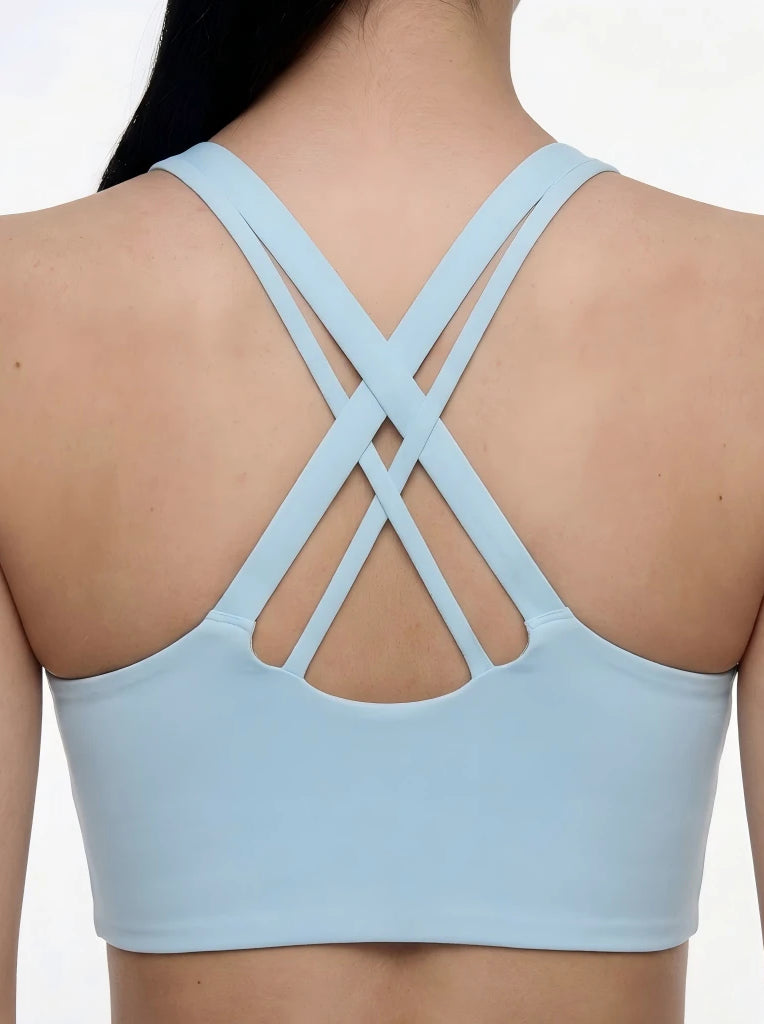
When practicing these breathing techniques, your clothing should support rather than restrict natural movement. Our features seamless construction that allows for unrestricted diaphragmatic expansion, ensuring your breath can flow naturally throughout your practice.
Body Consciousness: Listening to Your Physical Temple
Mindful yoga invites you to become a compassionate observer of bodily sensations rather than a critic judging physical limitations. This shift from performance-based to sensation-based practice fundamentally changes your relationship with movement.
Research published in Frontiers in Psychology demonstrates that this mindful approach yields measurable benefits. A 2024 randomized controlled trial found that participants practicing mindful yoga showed significant improvements in functional movement scores and reaction times compared to control groups . More importantly, they reported reduced anxiety and improved sleep quality—benefits that extend far beyond the yoga mat.
Developing Body Consciousness:
-
Body Scanning: Before beginning your flow, take a moment to mentally scan from head to toe. Notice areas of tension without trying to change them.
-
Sensory Awareness: Pay attention to the texture of your mat beneath your hands, the temperature of the air on your skin, the subtle movements within each joint.
-
Non-Judgmental Observation: When critical thoughts arise, acknowledge them without judgment and gently return to physical sensations.
Your practice wear plays a crucial role in this sensory awareness. The OEKO-TEX® certified fabrics used in our collections ensure they're free from harmful substances, allowing you to focus on your practice without distraction . This international certification, established in 1992, tests for over 1,000 harmful substances, providing assurance of product safety and quality .
Being State: Cultivating Non-Judgmental Awareness
The "being state" refers to that quality of awareness where you're fully immersed in the present experience without trying to change, judge, or escape from it. This represents the ultimate goal of mindful yoga practice—not perfect poses, but perfect presence.
Research from the University of Waterloo revealed that just 25 minutes of Hatha yoga or mindfulness meditation significantly improved executive brain function—the cognitive abilities responsible for goal-directed behavior and emotional regulation . Participants showed enhanced ability to focus on what they chose to attend to in everyday life, demonstrating how mindful practice creates positive carryover effects.

How Mindful Yoga Transforms Your Practice
Physical Transformation: Beyond Flexibility and Strength
While traditional yoga certainly improves flexibility and strength, mindful yoga practice takes these benefits to another dimension by developing proprioception—your body's ability to sense its position in space. This heightened body intelligence prevents injuries and creates more efficient movement patterns.
Scientific Evidence of Physical Benefits:
|
Benefit |
Research Finding |
Study Reference |
|---|---|---|
|
Pain Reduction |
Yoga significantly reduced chronic nonspecific lower back pain (SMD = -0.41, 95% CI: -0.58 to -0.23) |
Twelve Weeks of Yoga for Chronic Nonspecific Lower Back Pain: A Meta-Analysis |
|
Improved Functional Ability |
Yoga for functional ability, pain and psychosocial outcomes in musculoskeletal conditions |
|
|
Stress Reduction |
Yoga, mindfulness-based stress reduction and stress-related physiological measures: A meta-analysis |
|
|
Enhanced Heart Rate Variability |
Effects of Mind–Body Exercises on Heart Rate Variability Parameters and Perceived Stress |
These physical transformations become more profound when supported by intentionally designed practice wear. Our provide sculpted support without constraint, while curved seams follow your body's natural lines—allowing movement according to your body's wisdom rather than fighting against restrictive clothing.
Mental and Emotional Transformation
The mental benefits of mindful yoga practice extend far beyond your session duration. By training your mind to focus on the present moment, you're essentially performing cognitive training that strengthens attention regulation for everyday life.
A systematic review and meta-analysis published in Frontiers in Psychology found that mindfulness-based interventions had significant positive effects on anxiety (SMD = -0.83), depression (SMD = -0.86), and stress (SMD = -0.69) among patients with coronary artery disease . These represent measurable changes in mental health markers, not just subjective reports.
The Neuroscience Behind the Transformation:
-
Prefrontal Cortex Activation: Mindful practices increase activity in the prefrontal cortex—responsible for executive functions like decision-making and emotional regulation.
-
Amygdala Modulation: Regular practice decreases reactivity in the amygdala, the brain's fear center, reducing stress and anxiety triggers.
-
Default Mode Network Changes: Mindfulness reduces activity in the default mode network—associated with mind-wandering and self-referential thinking.
This mental clarity is supported by your practice environment. The thoughtful design of our creates a sensory experience that minimizes distractions, allowing you to maintain focus throughout your practice.
Lifestyle Integration: From Mat to Daily Life
The true measure of any practice isn't what happens on the mat, but how it transforms your life off the mat. Mindful yoga teaches transferable skills: patience during challenges, presence during conversations, and acceptance during setbacks.
Practical Integration Strategies:
-
Micro-Mindfulness Moments: Take three conscious breaths before checking your phone, feel your feet grounded while waiting, notice the sensory details of your meals.
-
Response vs. Reaction: Create a pause between stimulus and response. In that pause, you gain the freedom to choose rather than react automatically.
-
Mindful Transitions: Treat transitions between activities as opportunities for mindfulness—the walk to your car, the moment between meetings become mini-meditations.
Your clothing choices can support this integration. When you wear pieces from our , you carry the essence of your practice into daily life. The thoughtful design serves as a subtle reminder to maintain presence amidst busyness.

Creating Your Sanctuary for Mindful Practice
The Physical Environment
Your practice space should reflect the inner sanctuary you're cultivating. This doesn't require a dedicated room—just intentional choices that support presence.
Elements of a Mindful Practice Space:
-
Minimal Distractions: Choose a space where you won't be interrupted frequently
-
Natural Elements: Incorporate plants, natural light, or views of nature when possible
-
Personal Touches: A candle, meaningful object, or simple image can serve as a focal point
-
Comfortable Foundation: Invest in a quality mat that provides both cushioning and stability
The Role of Apparel in Mindful Practice
What you wear during practice significantly impacts your ability to maintain presence. Clothing that distracts with discomfort, constriction, or self-consciousness pulls you out of the moment. Conversely, clothing that feels like a natural extension of your body supports deep immersion.
How Eunfew Supports Your Mindful Practice:
-
OEKO-TEX® Certified Fabrics: All our materials carry the OEKO-TEX® STANDARD 100 certification, ensuring they're tested for over 1,000 harmful substances . This international certification, recognized globally since 1992, provides assurance of product safety and environmental responsibility.
-
Thoughtful Design Philosophy: Each curve honors the natural flow of movement, while wrap constructions provide support without constraint. This isn't just clothing; it's equipment for your inner journey.
-
Sensory Considerations: We select fabrics based on their tactile properties, considering how they feel against skin during different movements and temperatures.
-
Ethical Production: Our commitment extends beyond product safety to include responsible manufacturing practices that align with mindful consumption values.
Explore our complete to find pieces that support your unique journey toward presence.
Building Consistent Practice Habits
Consistency matters more than duration in mindful yoga practice. Research shows that even brief, regular sessions yield significant benefits. The University of Waterloo study demonstrated that just 25 minutes of practice improved executive function .
Strategies for Sustainable Practice:
-
Start Small: Begin with 10-15 minute sessions rather than aiming for hour-long practices that become unsustainable.
-
Anchor to Existing Habits: Link your practice to an existing routine—after morning coffee, before your shower, or during lunch breaks.
-
Focus on Quality: One mindful breath is more valuable than a hundred distracted ones. Celebrate presence, not perfection.
-
Create Rituals: Simple rituals like lighting a candle or wearing your can signal to your brain that it's time to transition into practice mode.

Conclusion
Mindful yoga practice represents a paradigm shift—from seeing yoga as something you do to recognizing it as a way of being. Scientific evidence consistently demonstrates that this integrated approach yields measurable benefits: reduced stress markers, improved mental health, enhanced physical function, and positive neurological changes .
By integrating breath awareness, body consciousness, and present-moment being into your practice, you transform not just your time on the mat, but your entire relationship with yourself and the world. The research is clear: regular mindful practice improves executive brain function, reduces anxiety and depression symptoms, and enhances overall wellbeing .
At Eunfew, we've crafted each piece in our collection to support this journey inward. From our OEKO-TEX® certified fabrics that ensure safety and comfort to designs that move with your body's natural wisdom, every detail is considered to help you find stillness in motion.
Your transformation begins with a single conscious breath. It continues with each mindful movement. And it deepens with every moment you choose presence over distraction. We invite you to explore our and discover how intentionally designed practice wear can become part of your sanctuary for stillness.
FAQ
Q: What's the difference between regular yoga and mindful yoga practice?
A: Regular yoga often focuses primarily on physical postures, flexibility, and strength, with the mind frequently wandering to external concerns. Mindful yoga practice places equal emphasis on mental presence as physical movement. It's not about how a pose looks, but how it feels—the quality of attention you bring to each breath and sensation. Research shows this mindful approach yields greater mental health benefits, including significant reductions in depression and anxiety symptoms .
Q: How can beginners start incorporating mindfulness into their yoga practice?
A: Start simply: for your first week, focus only on your breath. Notice the inhalation and exhalation without trying to change it. When your mind wanders (and it will), gently return to the breath without self-criticism. Wear comfortable, non-restrictive clothing that won't distract you with discomfort. Begin with just 10-15 minutes daily, and remember that consistency matters more than duration. Research shows even brief sessions can yield benefits .
Q: What should I wear for mindful yoga practice to enhance the experience?
A: Choose clothing that supports rather than distracts from your practice. Look for seamless construction that moves with your body, breathable fabrics that regulate temperature, and designs that make you feel confident without self-consciousness. Our collections feature OEKO-TEX® certified fabrics tested for over 1,000 harmful substances , ensuring safety and comfort. The adjustable wide waistbands stabilize poses without constriction, allowing full diaphragmatic breathing.
Q: How long does it take to see the transformative effects of mindful yoga?
A: Research indicates that measurable changes can occur relatively quickly. A University of Waterloo study found improved brain function after just 25 minutes of practice , while other studies show significant reductions in stress markers within 8-12 weeks of consistent practice . However, the most profound transformations—shifts in your relationship with yourself—unfold gradually through consistent practice.
Q: Can mindful yoga help with specific issues like anxiety or chronic pain?
A: Yes, substantial research supports mindful yoga's effectiveness for both conditions. A meta-analysis found mindfulness-based interventions significantly reduced anxiety levels (SMD = -0.83) among participants . For chronic pain management, yoga interventions showed significantly lower pain intensity scores compared to control groups, with standardized mean differences of -0.41 to -0.83 across different time points . The combination of gentle movement, breath awareness, and present-moment focus addresses both physical and psychological dimensions.