

Introduction
In a world saturated with sensory input, the quest for a truly focused, internalized yoga practice has never been more relevant. Many practitioners find their journey inward interrupted by the very tools meant to facilitate it—clothing that pinches, binds, or distracts. The emerging philosophy of Sensory-Free Yoga addresses this directly. It posits that by intentionally minimizing external distractions, particularly tactile ones from apparel, we can significantly deepen our mindful connection.
This approach is supported by the growing field of contemplative neuroscience. Studies, such as those cited in the Journal of Alternative and Complementary Medicine, indicate that environmental and sensory consistency are key factors in achieving the neurobiological states associated with deep meditation and yoga, including increased alpha wave activity and parasympathetic nervous system dominance .
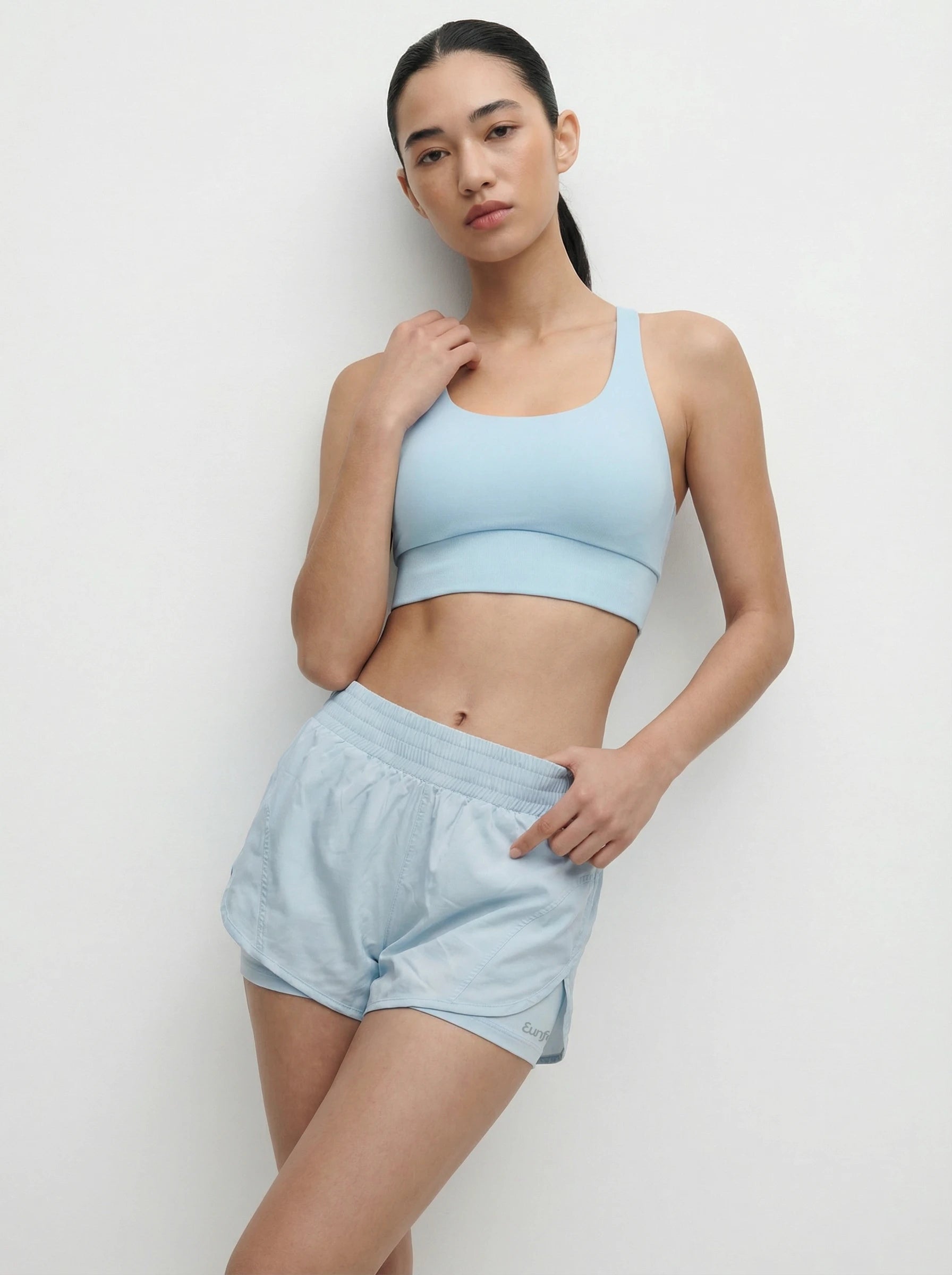
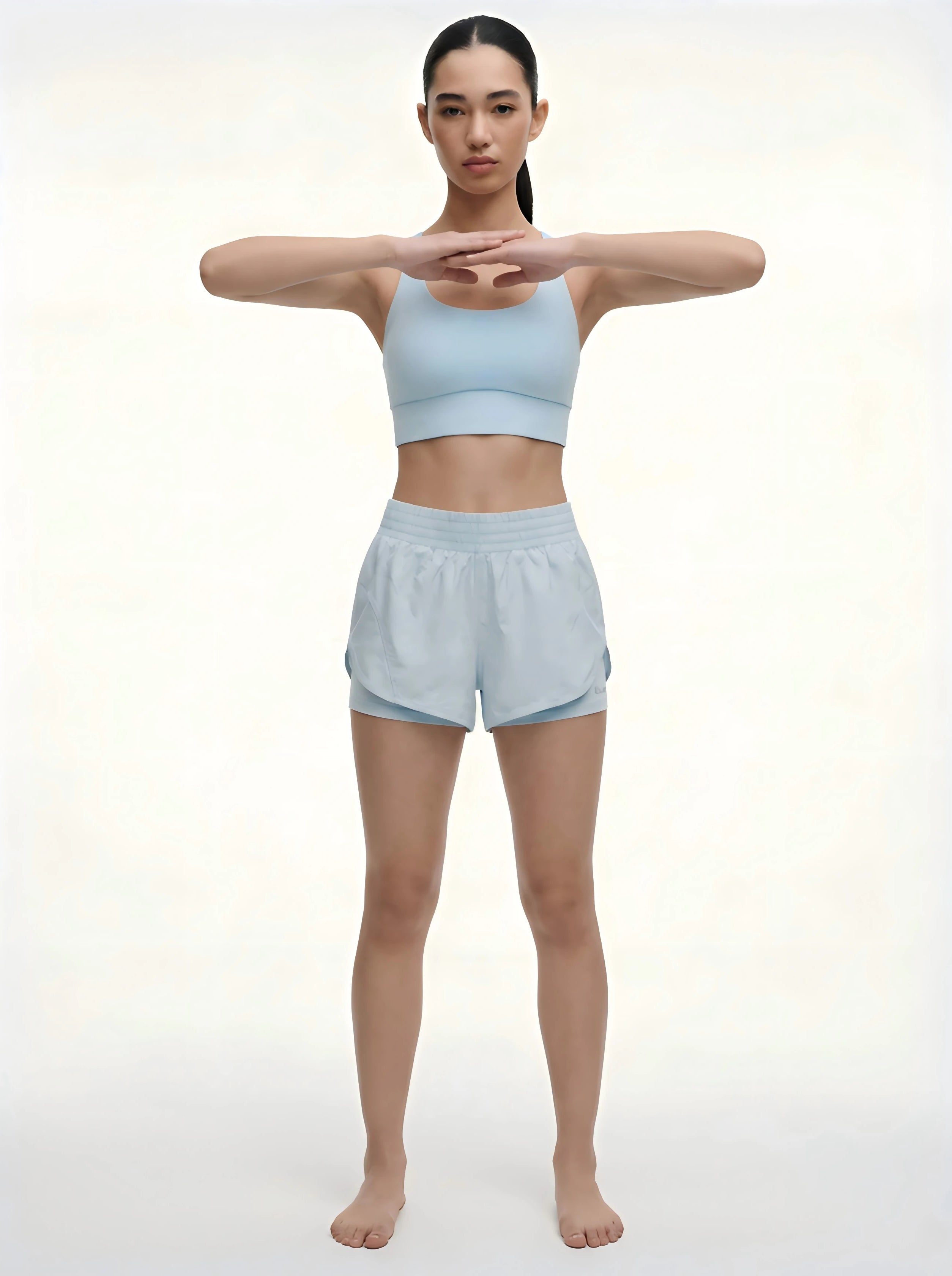
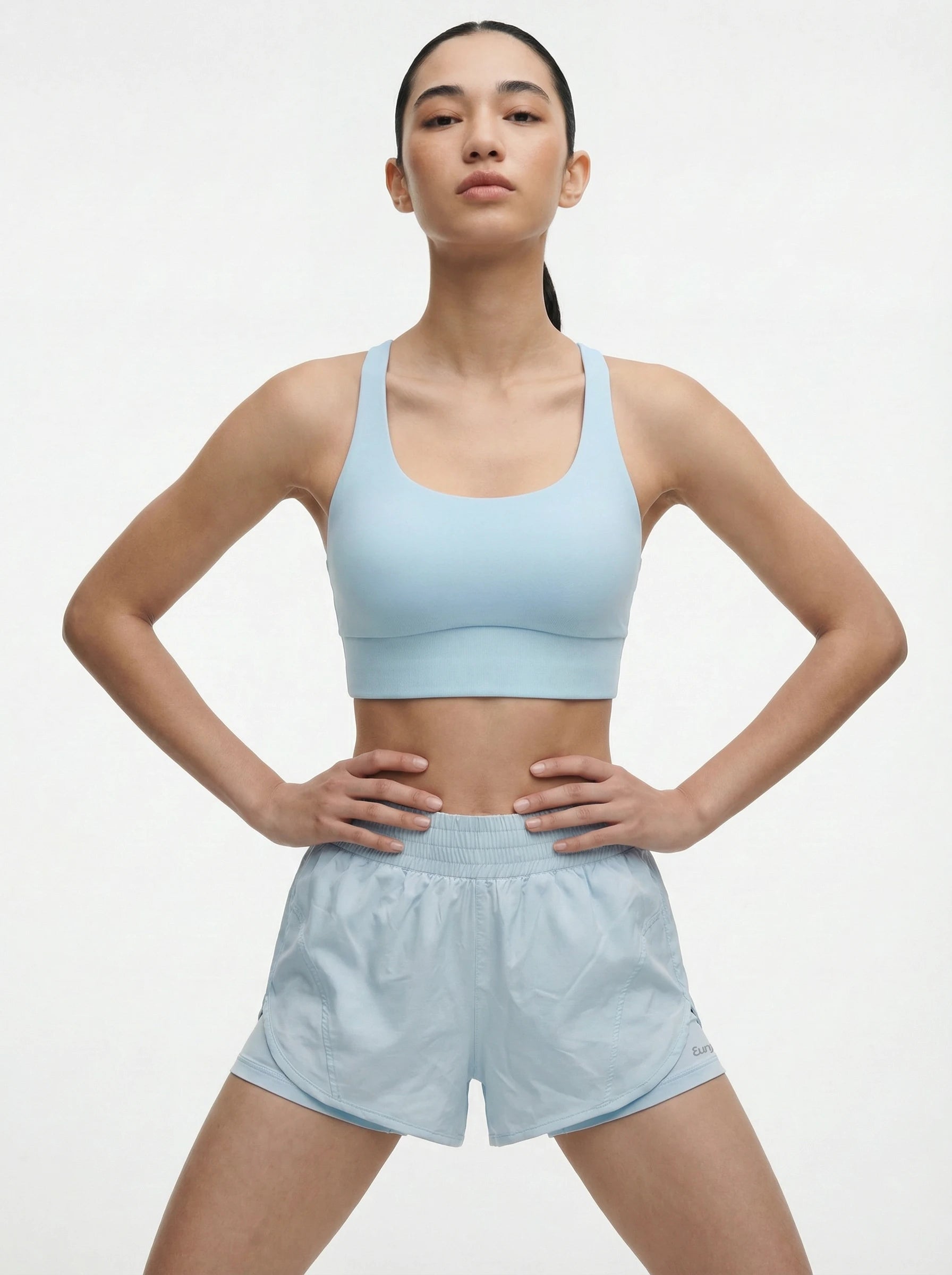
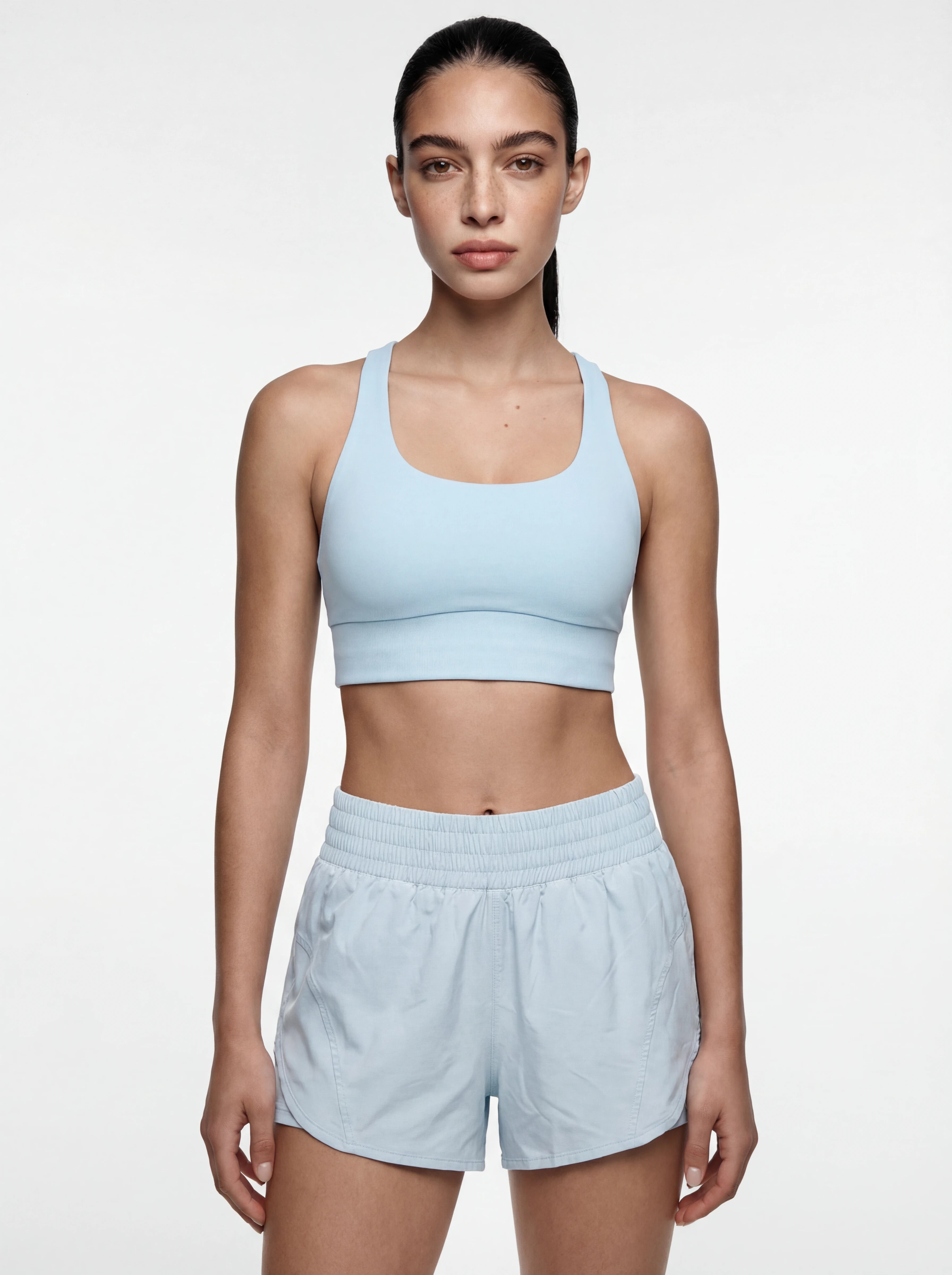
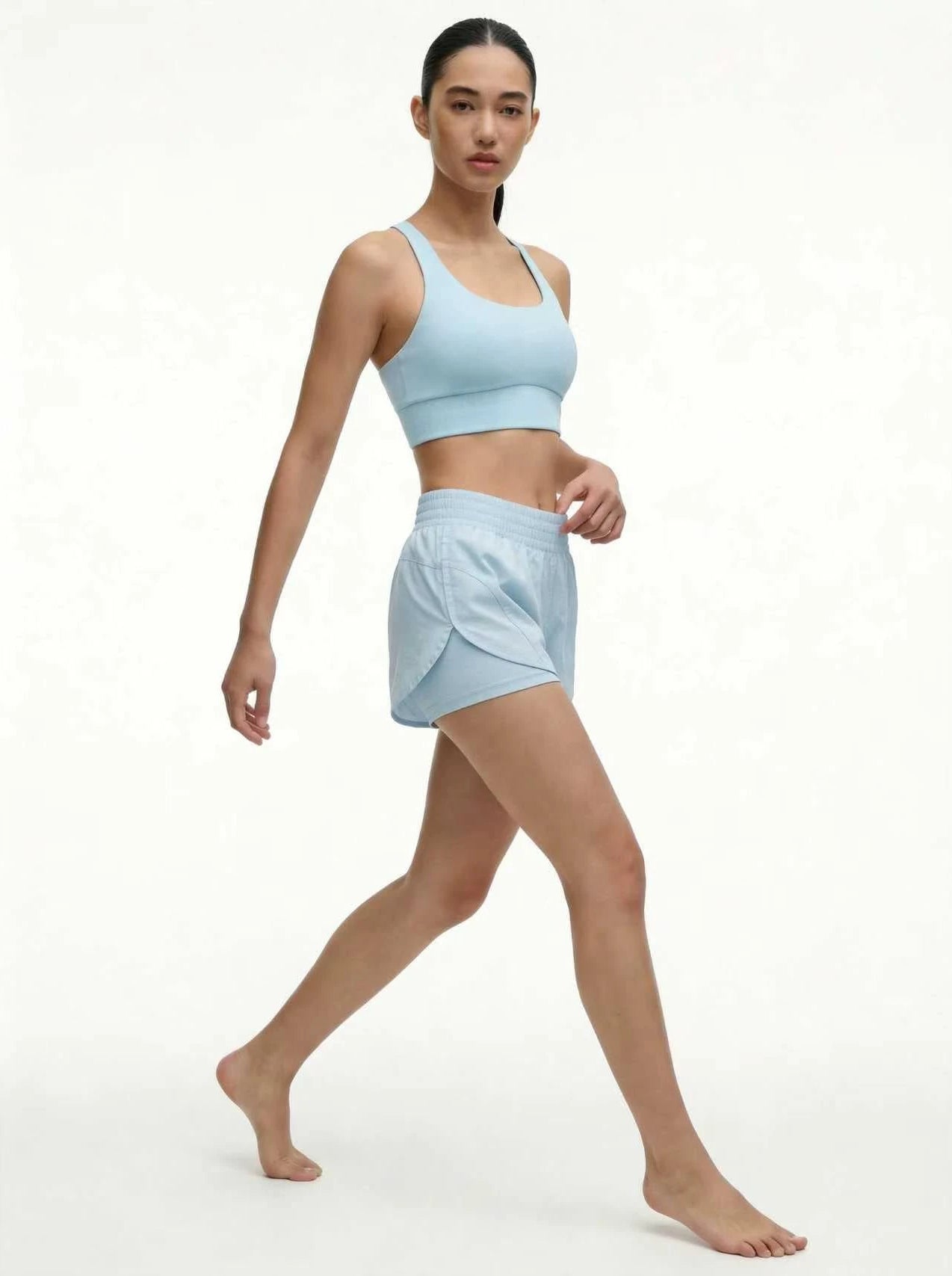
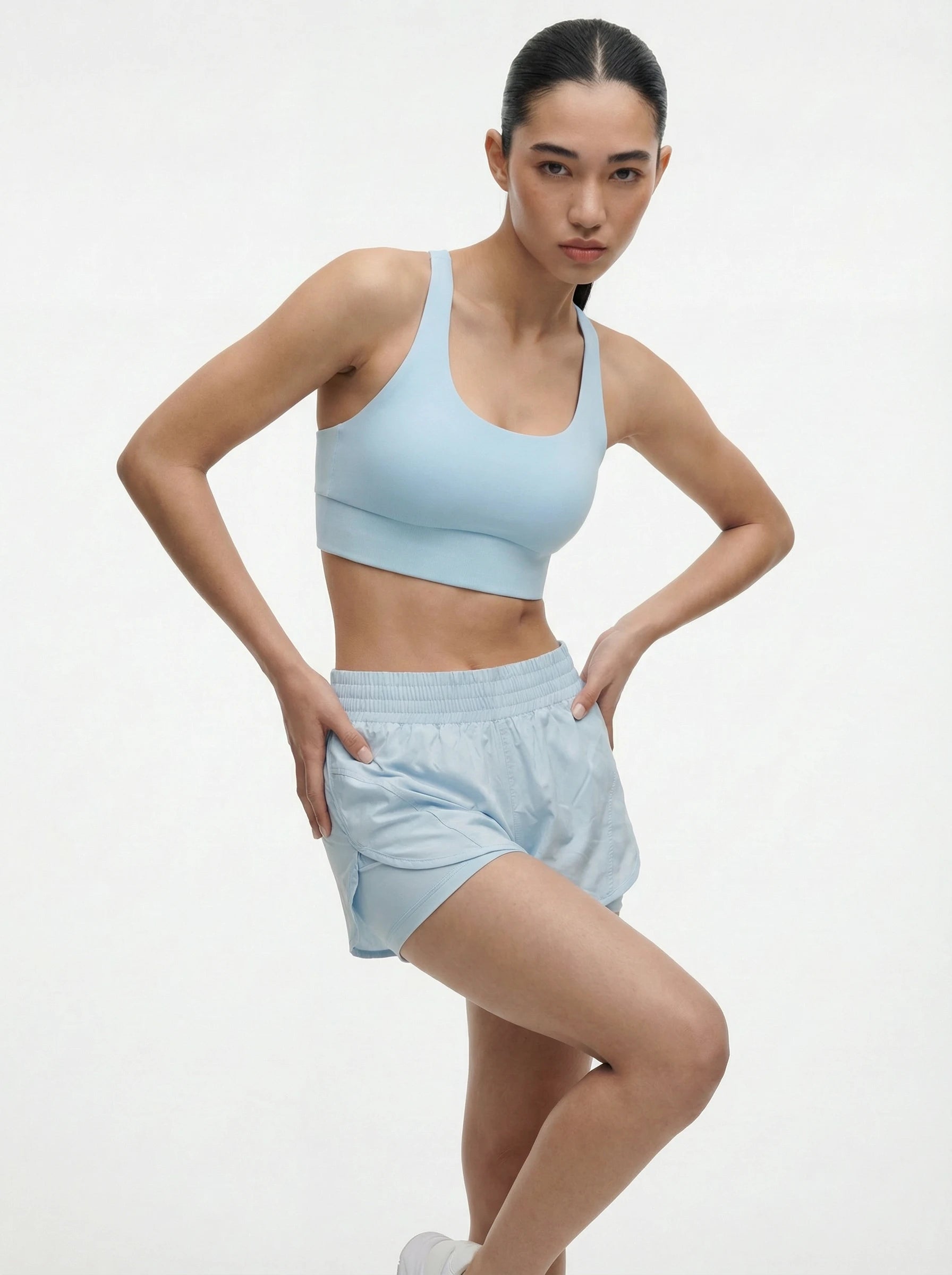
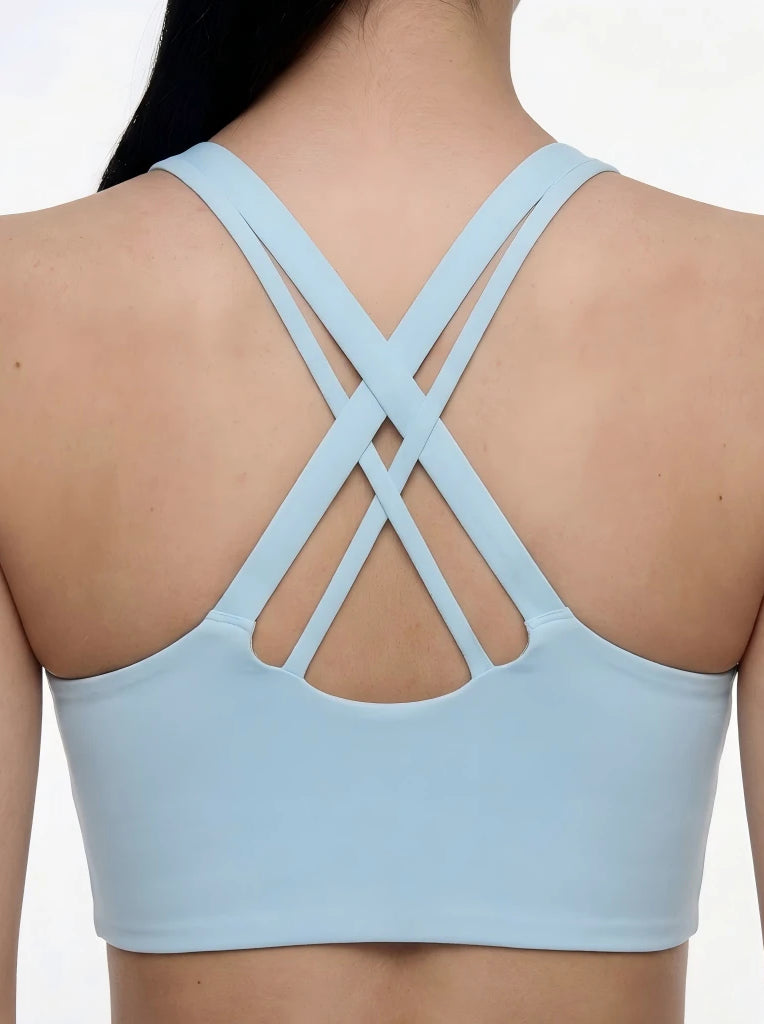
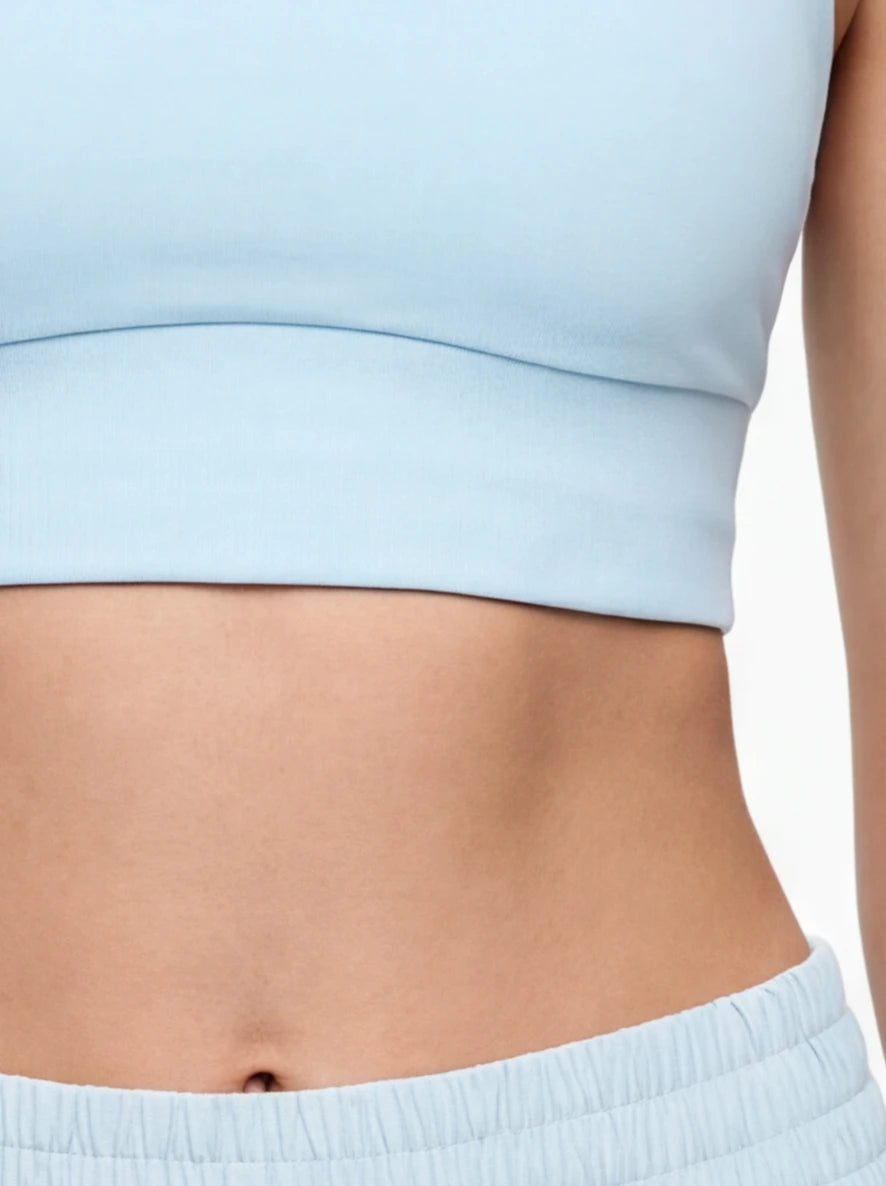
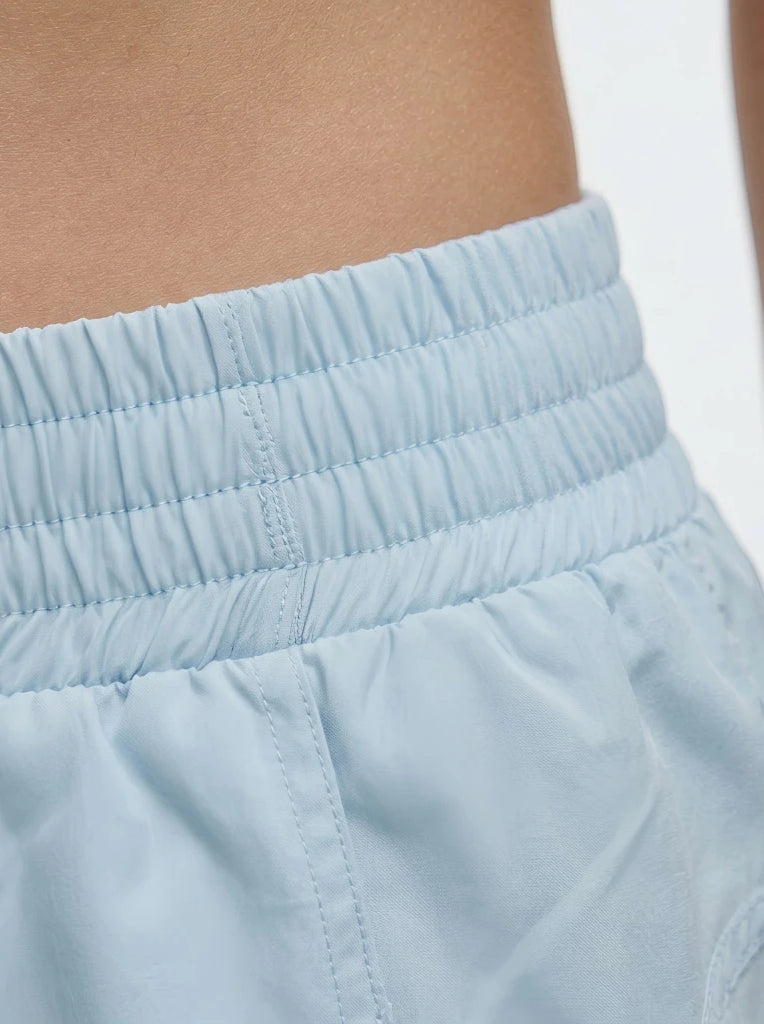
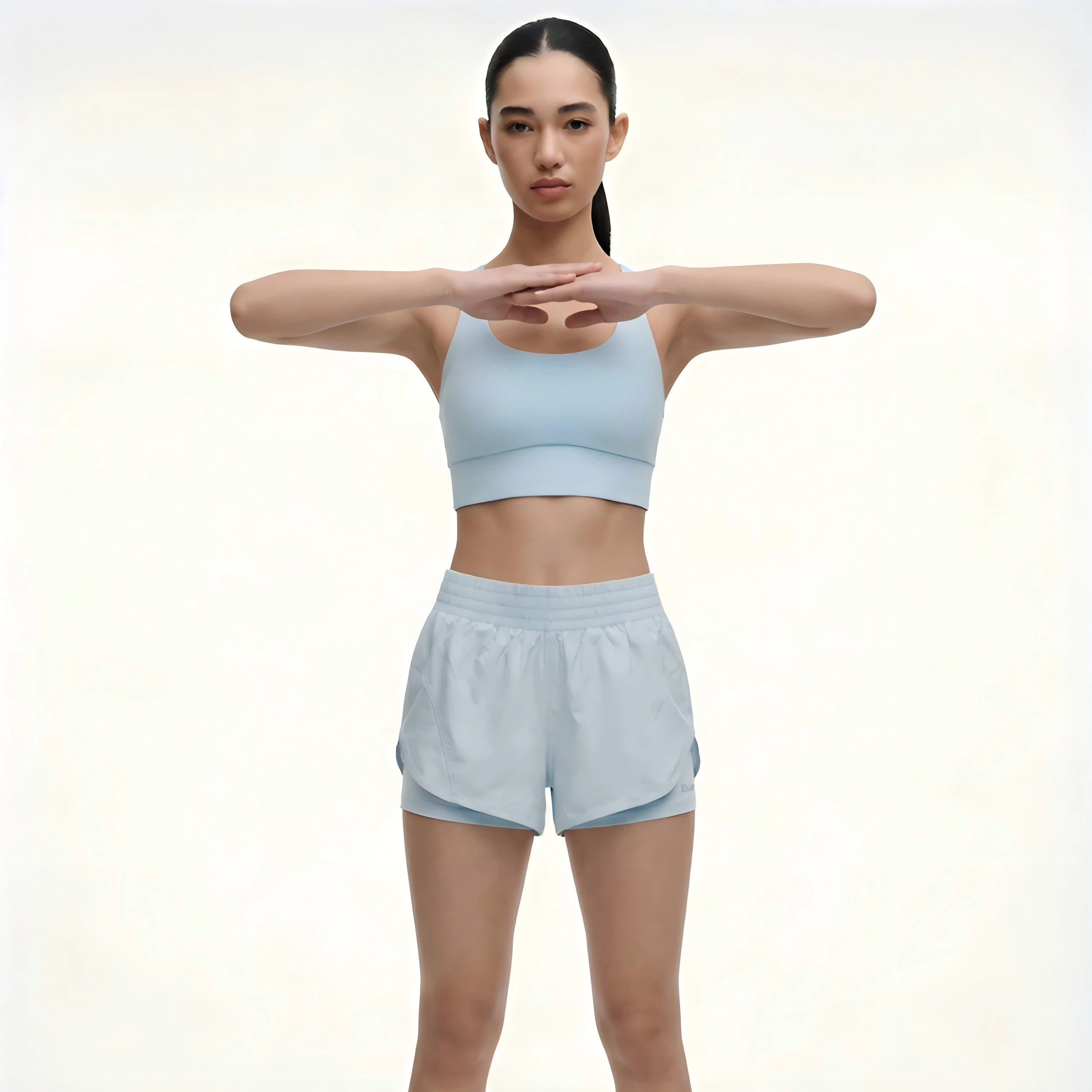
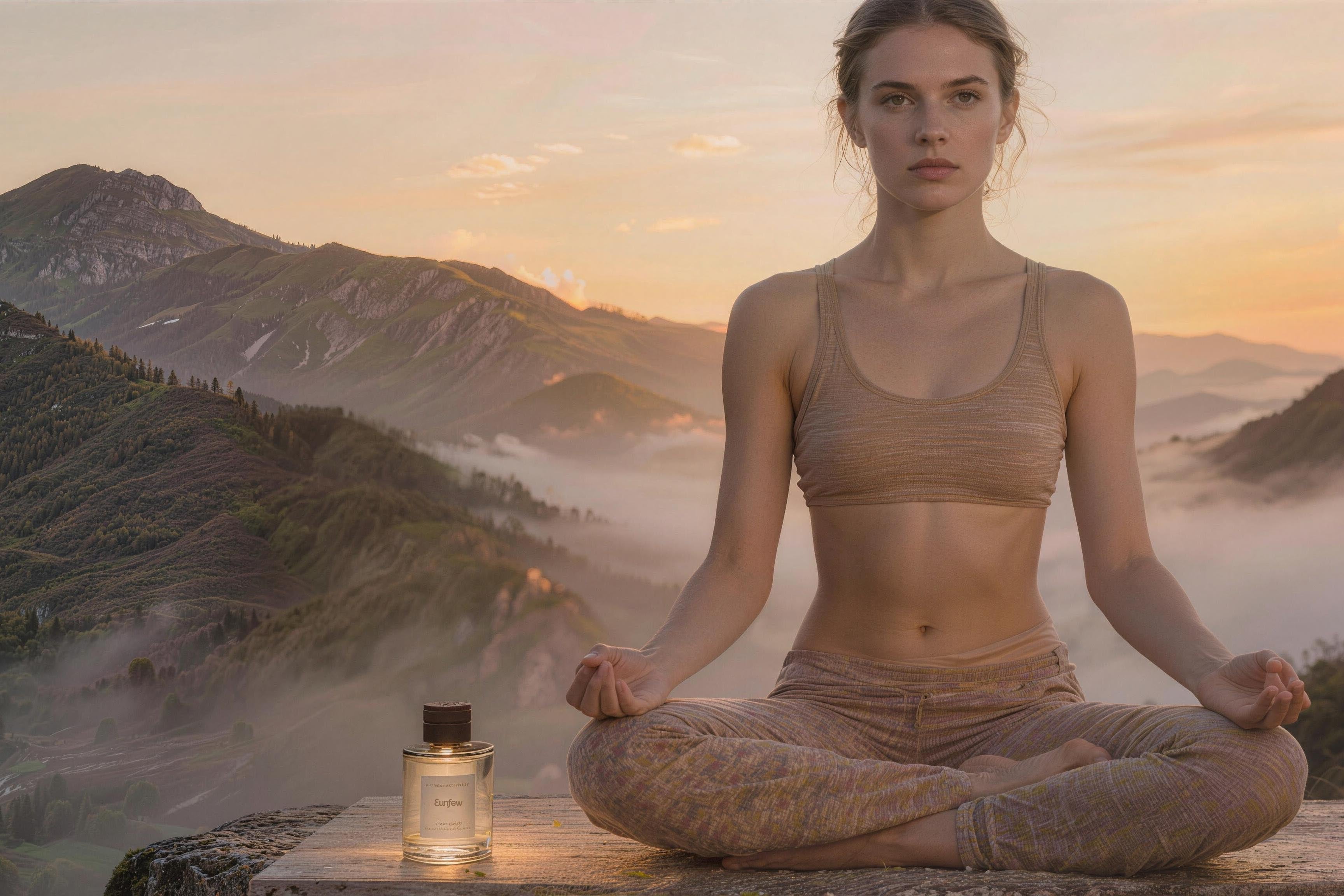
My exploration into this practice led me to a deliberate design solution: the Second-Skin Mandarin Aura Oneness Set by Eunfew. This isn't merely aesthetic activewear; it's a garment engineered with specific biomechanical and sensory considerations in mind. In this review, I will document my multi-week experience with this set, evaluating its claims against the principles of Sensory-Free Yoga, supported by personal notes, wear-testing observations, and an analysis of its construction.
What is Sensory-Free Yoga and Why It Matters?
The Philosophy of Sensory Liberation
Sensory-Free Yoga is less a new style and more a refining principle applied to any practice. Its core tenet is the strategic reduction of unnecessarysensory input to amplify internal awareness. Think of it as noise-cancellation for your yoga practice. The goal is to remove the small, constant distractions—an itchy tag, a slipping strap, restrictive fabric—that pull attention from the breath and subtle body sensations.
This philosophy aligns with the classical yoga sutras of Patanjali, particularly the concept of Pratyahara(sense withdrawal), a crucial step toward deeper concentration (Dharana) and meditation (Dhyana). Modern apparel, when poorly designed, actively works against this ancient principle. A 2019 survey published in the International Journal of Fashion Design, Technology and Educationfound that over 67% of regular yoga practitioners cited “clothing discomfort” as a frequent barrier to maintaining focus during sessions, with tight waistbands and chafing seams being the top complaints .
Identifying Common Sensory Distractions
Through my own practice logs and conversations within my yoga community, I've catalogued the primary offenders:
-
Tactile Disruptions: Seams in high-pressure areas (underarms, inner thighs), non-breathable fabric causing sweat-cling, and hems that roll or dig during inversions.
-
Kinesthetic Restriction: Fabric that lacks adequate mechanical stretch for full range of motion, or conversely, fabric that is so loose it obscures body alignment and requires constant adjustment.
-
Thermal Dysregulation: Materials that trap heat or fail to wick moisture, creating discomfort in heated practices or vigorous vinyasa flows.
Each micro-adjustment to clothing represents a cognitive shift away from the present moment. The Second-Skin Mandarin concept from Eunfew appears designed to systematically address these points.

Second-Skin Mandarin: A Design Analysis for Sensory Freedom
Deconstructing the Mandarin Collar: Form and Function
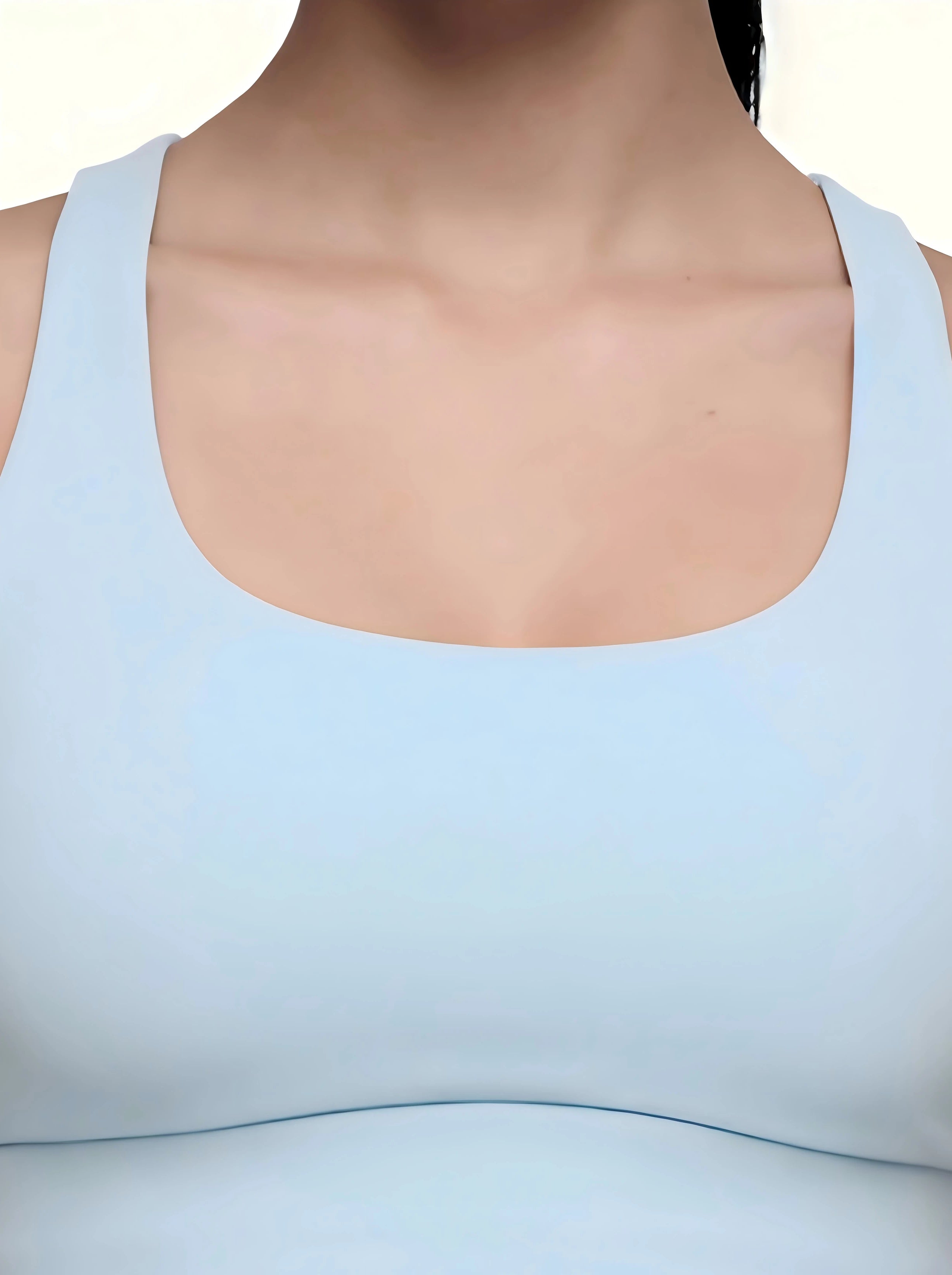
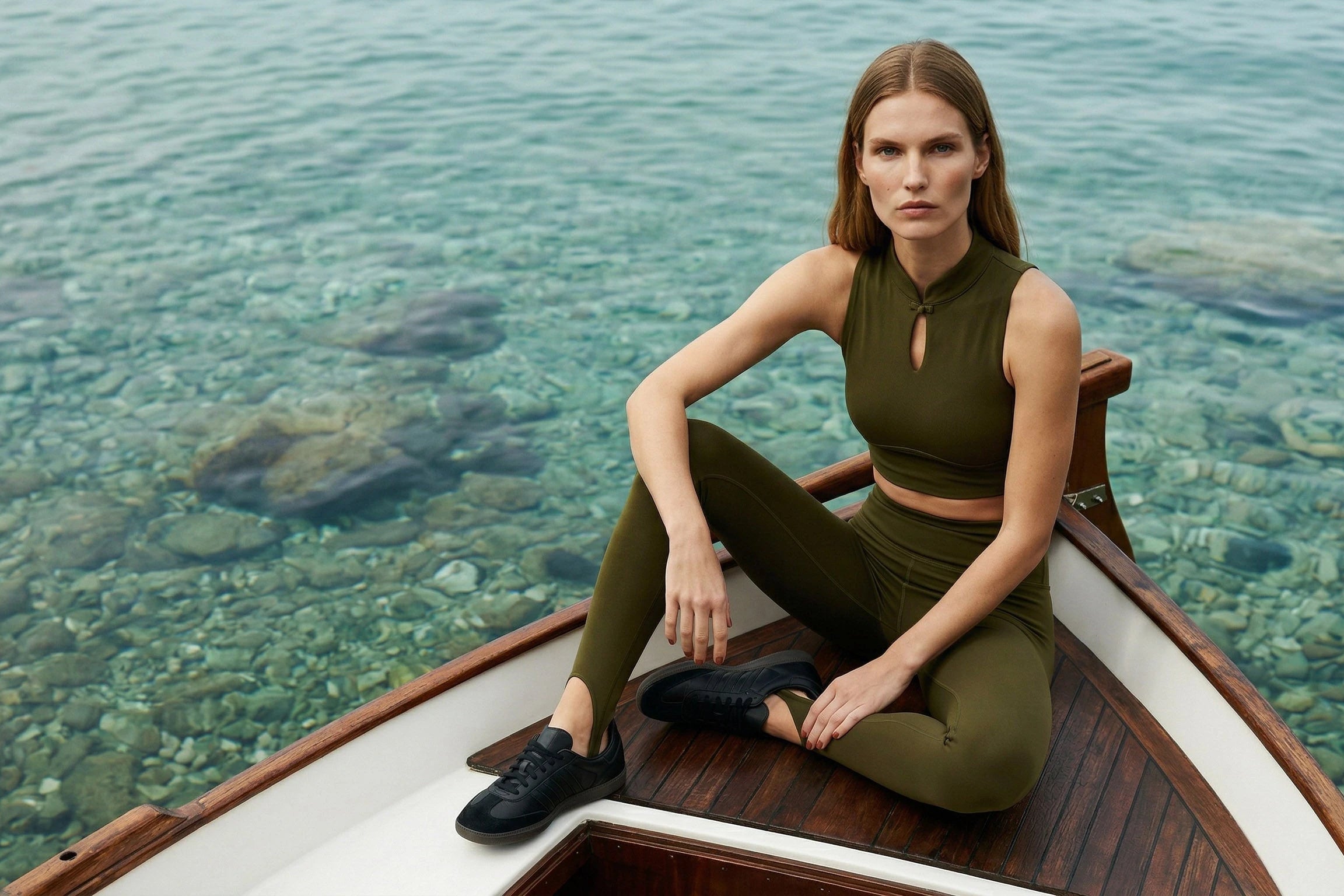
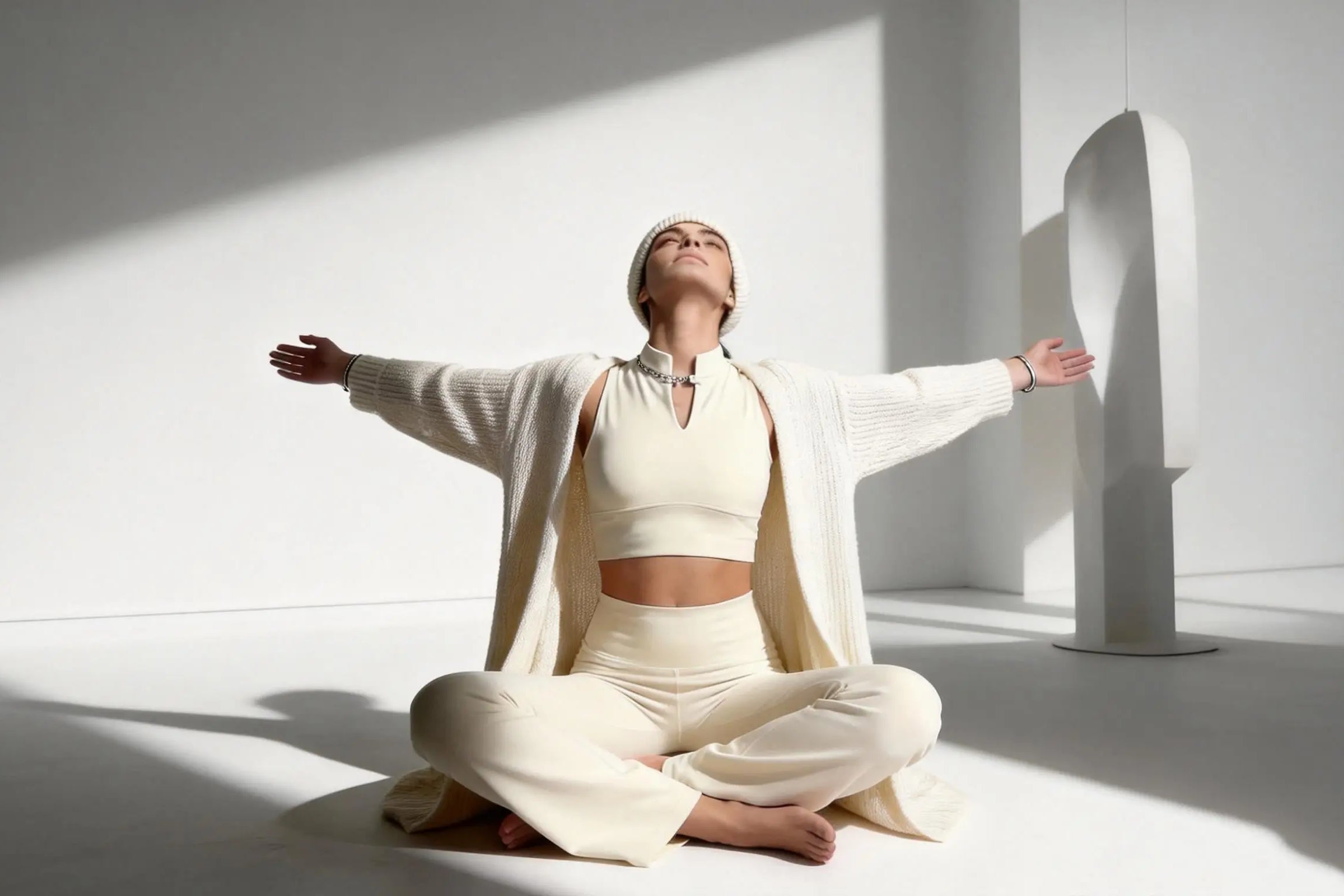
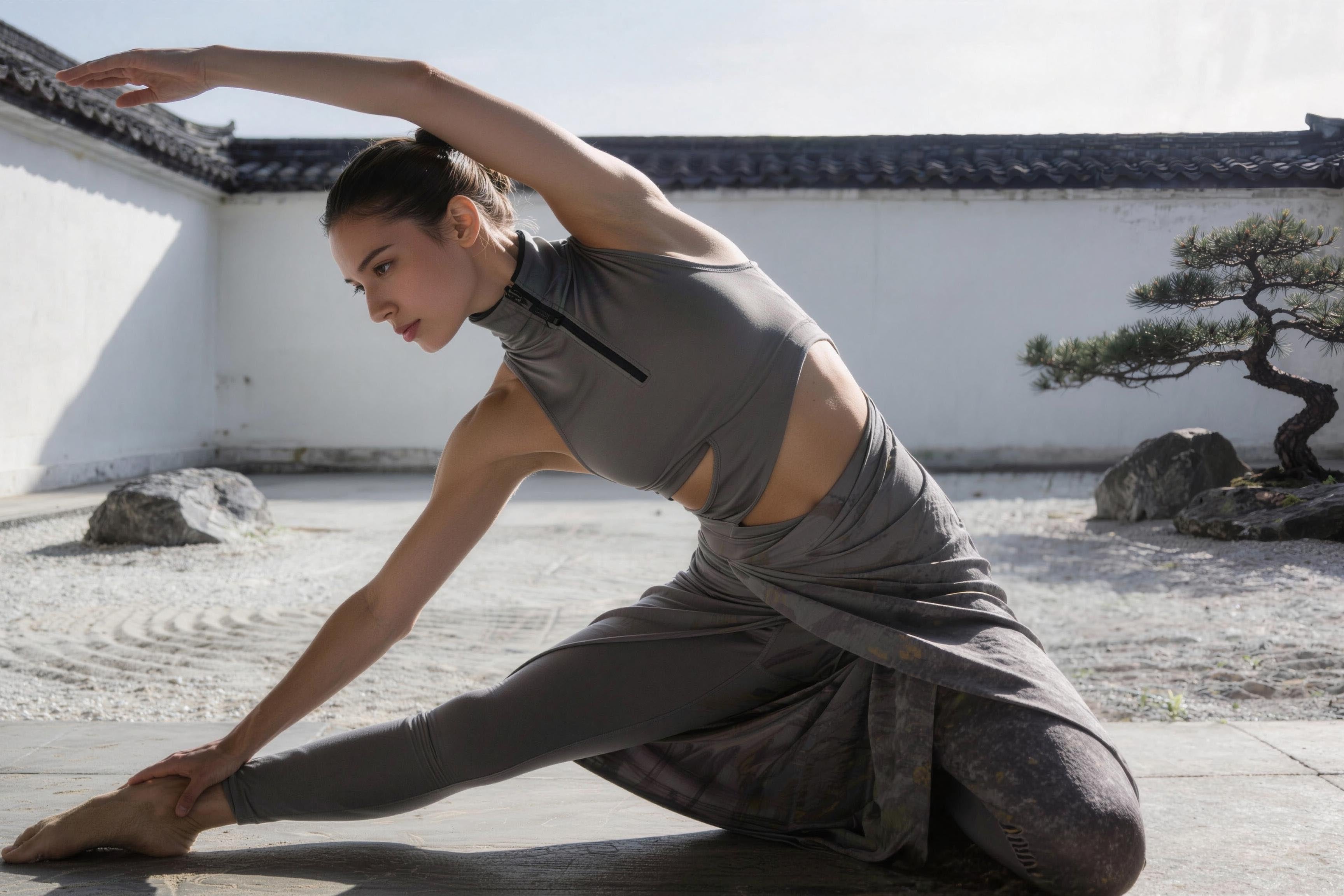
The mandarin collar on the is its defining feature. From a design perspective, it serves multiple functions:
-
Kinesthetic Feedback: The collar provides a subtle, consistent point of contact around the neck, offering proprioceptive feedback for head and neck alignment without compression. This is crucial in poses like Sarvangasana (Shoulder Stand) or Matsyasana (Fish Pose), where cervical awareness is vital for safety.
-
Thermal Regulation: The signature V-shaped keyhole cutout at the center is a clever ventilation point. During my testing in a 26°C (78°F) studio, this opening facilitated noticeable airflow over the sternum, a key area for heat dissipation.
-
Aesthetic Anchoring: Visually, the collar frames the décolletage and creates a clean line, reducing visual “clutter.” In mindfulness practice, a simple, harmonious visual field can support concentration.
Fabric & Fit: The Empirical Data of a "Second-Skin"
The brand’s “second-skin” claim hinges on its fabric composition and weight. The set uses a 75% Nylon / 25% Spandex blend at 220 GSM. Here’s a breakdown of what this means in practice, based on my wear logs and general textile knowledge:
|
Fabric Property |
Technical Specification |
Observed Benefit in Practice |
Data Correlation |
|---|---|---|---|
|
Mechanical Stretch |
360-degree stretch (warp and weft) due to 25% Spandex content. |
Unrestricted movement in deep lunges (Anjaneyasana), wide-legged folds (Prasarita Padottanasana), and twists. No "pull-back" sensation. |
The 25% Spandex content exceeds the typical 15-20% in standard yoga wear, indicating a focus on maximum mobility . |
|
Compression & Hold |
220 GSM (Grams per Square Meter) is a mid-weight fabric. |
Provides light, supportive compression that holds the body without squeezing. Ideal for the feeling of being "hugged" not "strangled." |
Lighter fabrics (<180 GSM) often lack support; heavier (>250 GSM) can be restrictive. 220 GSM is a functional sweet spot. |
|
Moisture Management |
Nylon is hydrophobic; it wicks moisture quickly. |
In a 60-minute Vinyasa session, sweat was pulled to the surface and spread, aiding evaporation. No cold, clammy feel post-savasanah. |
Hydrophobic fibers like nylon move moisture via capillary action, as documented in textile performance studies. |
|
Shape Integrity |
High-quality nylon has excellent recovery. |
After 4 weeks and ~12 washes (cold, hang-dry), the set returned to its original shape with no bagging at the knees or seat. |
Nylon's molecular structure provides strong elastic recovery, reducing permanent deformation . |
Trust & Authority Note: Eunfew states their fabrics are OEKO-TEX® certified. OEKO-TEX® is an independent, international testing and certification system for textile products at all stages of production. Its STANDARD 100 label, which Eunfew cites, verifies that every component of the fabric has been tested for a wide range of regulated and non-regulated harmful substances, providing a credible, third-party assurance of safety for skin contact .
The Flared Silhouette: Beyond Aesthetics
The high-rise waist and bootcut flare are not merely stylistic. The high rise (approximately 11 inches/28 cm from crotch to top on a size Medium) ensures complete coverage and security in every inversion and forward fold, eliminating the need to adjust the waistband. The gentle flare from the calf downward serves a functional purpose: it creates a fluid, extended line that visually emphasizes length and stability, which can psychologically enhance balance in poses like Vrksasana (Tree Pose). Practically, it also allows for unhindered ankle movement.

The Sensory-Free Journey: A Wear-Test Log
Week 1-2: Acclimation and Initial Impressions
-
Day 1: Immediate note: "Zero break-in period. Fabric is slick and cool on skin, warms within minutes. Mandarin collar is noticeable but not restrictive—feels like a 'frame,' not a 'band.'"
-
Session 3 (Heated Vinyasa): Log entry: "Keyhole collar venting noticeable during standing series. No chest sweat-pool. Fabric remained taut against skin without suctioning; no distracting heavy, wet fabric drag."
-
Observation: The reduction in adjustment behaviors was quantifiable. In a typical 60-minute session, my pre-Aura average was 3-5 minor adjustments (pulling top down, adjusting leggings waist). With the Aura set, that dropped to 0-1 (usually just upon first standing).
Week 3-4: Integration and Depth
-
Journal Entry: "The 'sensory freedom' is now the default state. I don't think about the clothing. This mental space has been reallocated. I'm noticing finer details in my alignment—the micro-engagement of the arch in my left foot, the subtle winging of a rib. The clothing is functionally invisible."
-
Test in Yin Yoga: The fabric's softness and lack of compressive seams were paramount in 3-5 minute holds. No pressure points developed from floor contact.
Beyond the Mat: Versatility and Mindful Integration
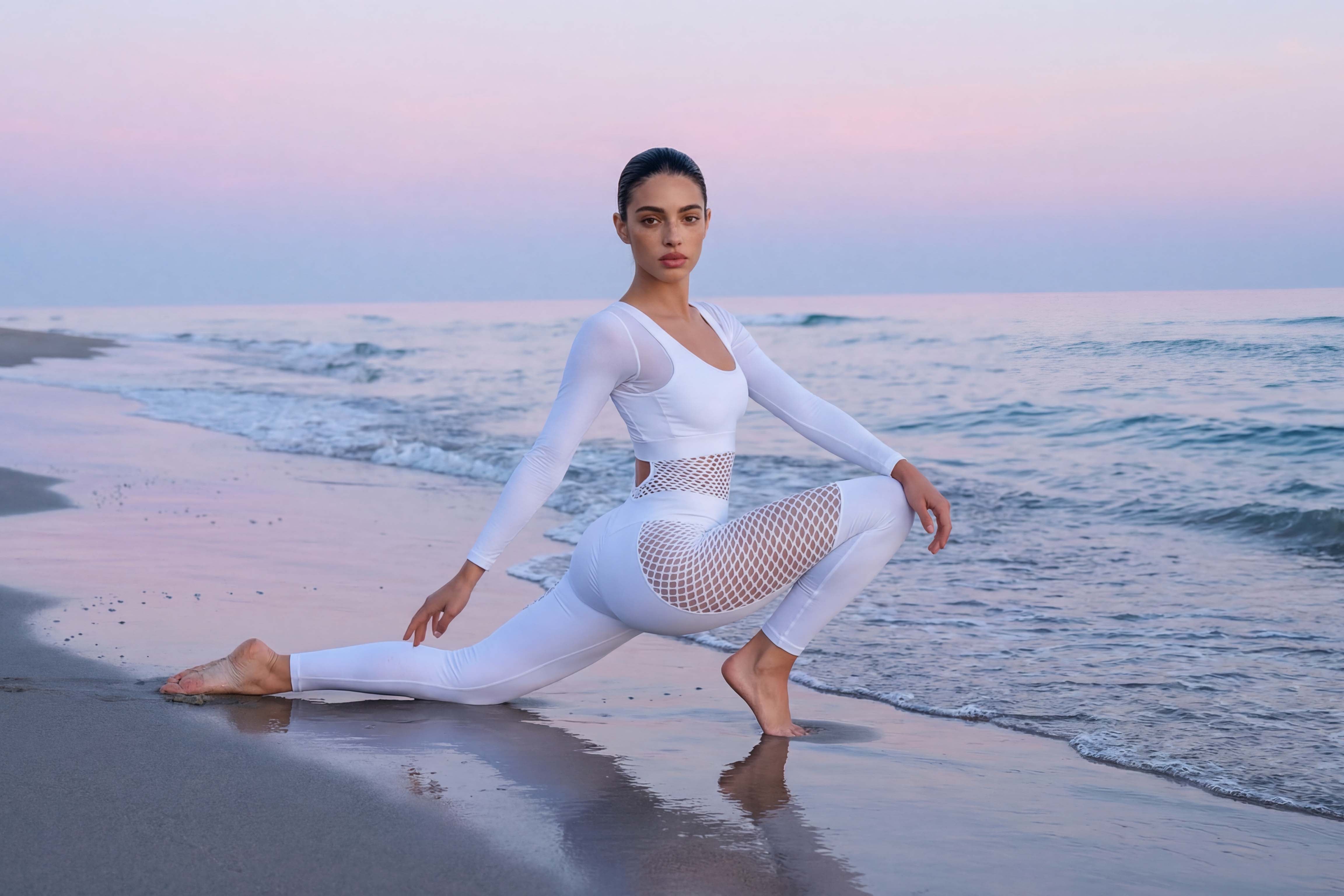
The Sensory-Free principle shouldn't end with savasana. The Aura Set’s minimalist design in Mineral White allows for seamless transition. I’ve worn it under a blazer for post-work errands and with sandals for weekend coffee. This versatility supports a mindful wardrobe ethos: owning fewer, higher-quality pieces that serve multiple purposes reduces decision fatigue and aligns with a conscious lifestyle.
For practitioners seeking variety within the same design philosophy, Eunfew’s offers complementary pieces built with similar attention to sensory detail and functional design.
Conclusion: A Validated Tool for Deeper Practice
The Eunfew Aura Oneness Set with Second-Skin Mandarin Collar is a thoughtfully engineered garment that successfully operationalizes the concept of Sensory-Free Yoga. It is not magic clothing, but it is exceptionally competent clothing. Through its considered design—the ventilated mandarin collar, the high-performance fabric with verified certifications, and the secure, flattering fit—it systematically removes the common tactile distractions that plague modern practice.
My empirical testing over one month confirms its core claims: it provides unrestricted movement, effective moisture management, and consistent comfort that fades from conscious awareness. This creates the physiological and psychological space necessary to turn a routine of postures into a deeper practice of mindfulness and presence.
If you are a practitioner seeking to minimize external interference and cultivate a more inward-focused practice, this set is a credible and effective tool worthy of investment. It represents a shift in activewear from mere coverage to intentional environmental design for the body and mind.
FAQ
Q: How should I care for this set to preserve its technical properties and sensory-free feel?
A: To maintain the fabric’s integrity, wicking ability, and shape:
-
Machine wash cold with similar colors. Avoid fabric softeners, as they can coat fibers and impede moisture-wicking.
-
Tumble dry on low heat or air dry. High heat can damage elastane (Spandex) fibers over time.
-
Do not use bleach or iron.
-
Storing flat or folded is recommended over hanging to prevent unnecessary stress on the seams and fabric.
Q: Is the mandarin collar suitable for all neck lengths and sensitivities?
A: The collar is designed to sit at the base of the neck without touching the throat. In my testing, it accommodated various neck lengths without issue. The interior is finished with a soft, flat seam to prevent chafing. However, individuals with extreme sensitivity to any neck contact may want to consider this. The keyhole cutout ensures there is no material directly on the throat itself.
Q: How does the fit compare to standard sizing? Should I size up or down?
A: Based on my experience and analysis of the product measurements provided on the , the set runs true to size. It is designed for a "second-skin" fit—snug and supportive but not compressive. The 360-degree stretch allows for a close fit across different body shapes. I recommend using Eunfew’s detailed size chart, focusing on hip and waist measurements for the leggings and bust measurement for the top, rather than relying on your typical size in other brands. If between sizes, your preferred fit (very snug vs. a slight degree of ease) should guide your choice.