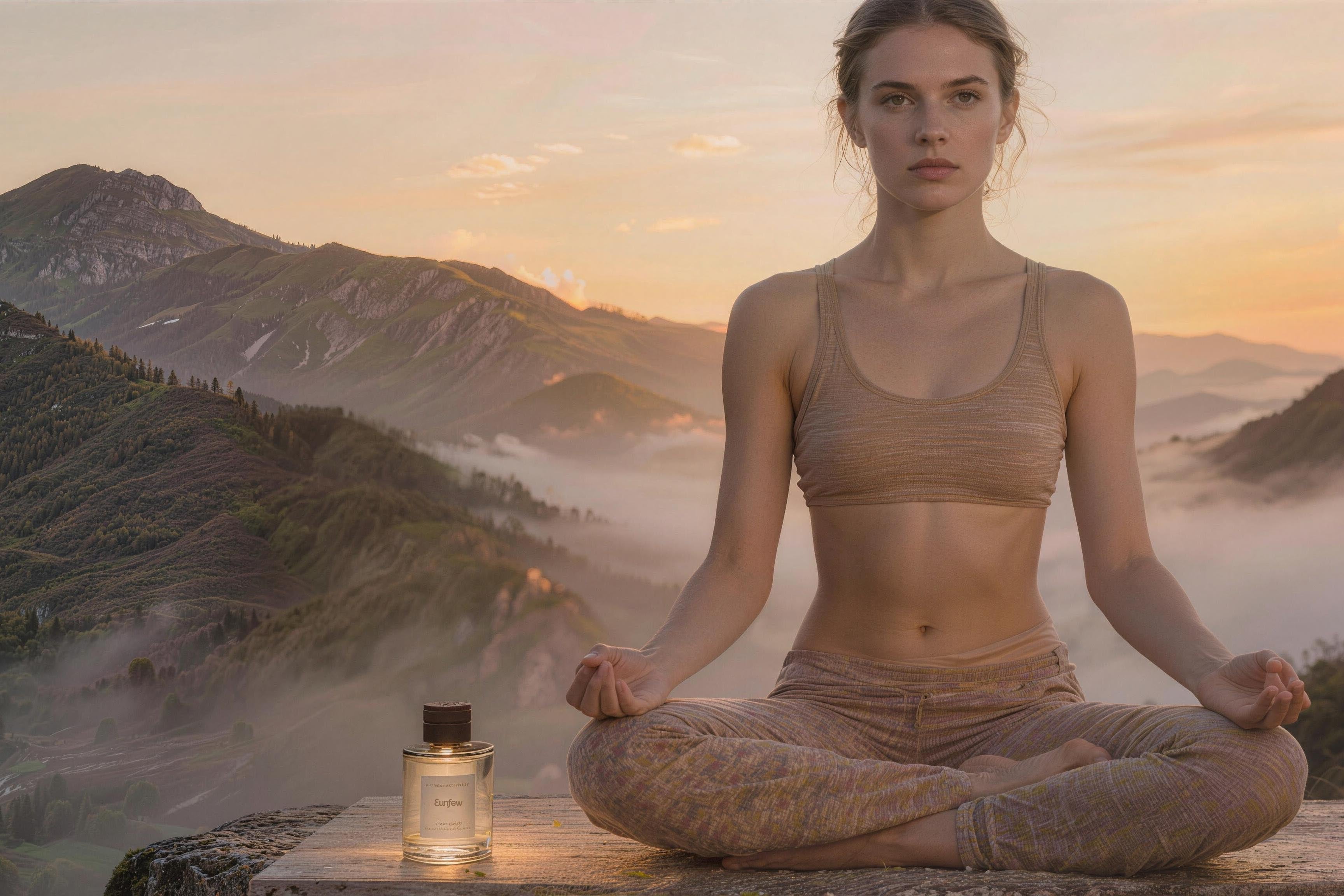


The Hidden Hurdle on Your Mat
You’ve felt it. You settle into a quiet moment, focusing on your breath, when a subtle distraction pulls you back: a tight waistband, a creeping seam, or the nagging need to adjust a strap. This isn't a lack of focus; it's a design failure in what you're wearing.
Most yoga apparel forces a choice: bold style or true comfort. What if you could have both? What if your clothes could amplify your practice by getting out of the way entirely?
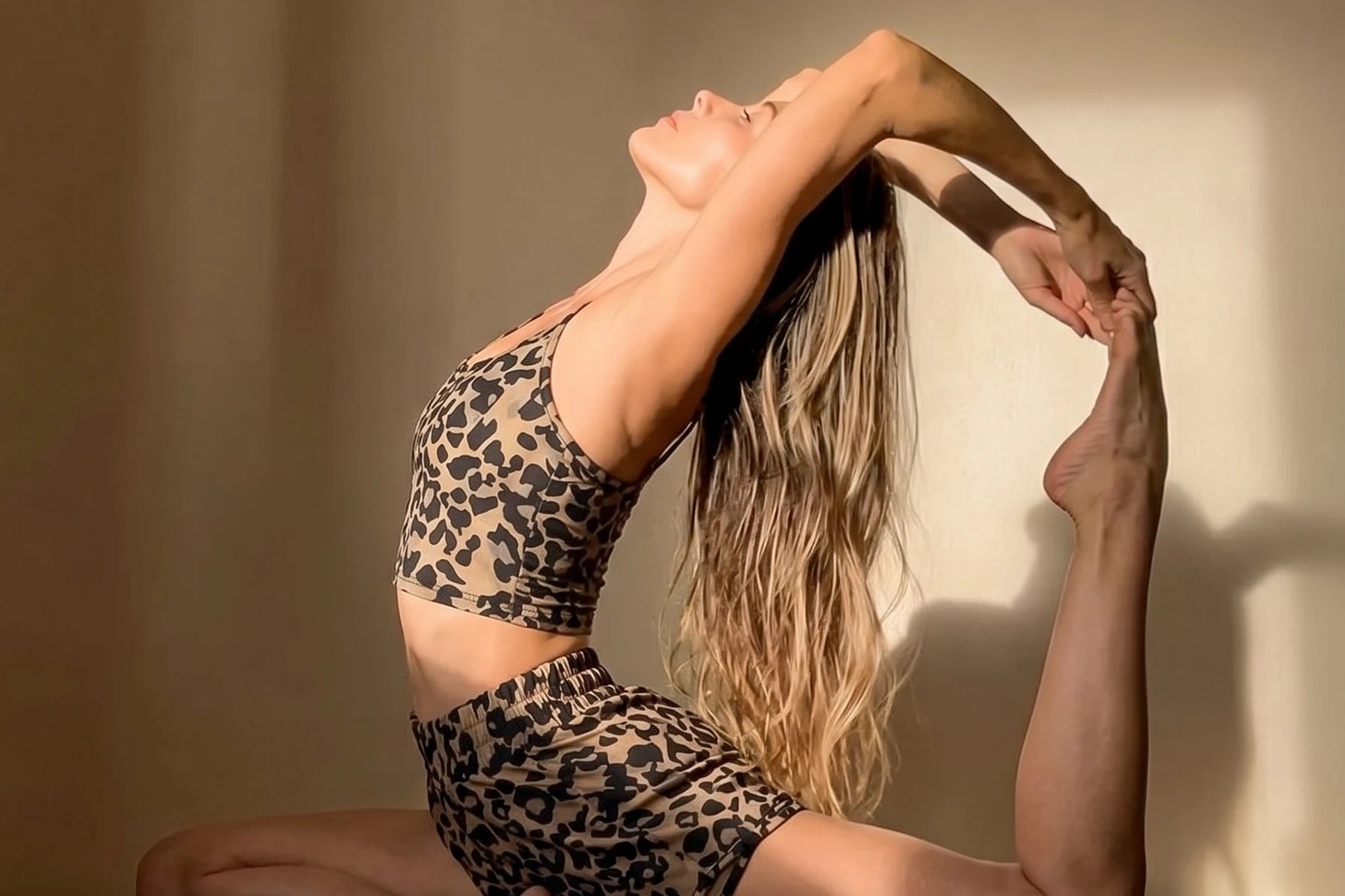
This is the promise of Sensory-Free Yoga. It’s a philosophy that uses apparel design to minimize tactile distraction, allowing for deeper mental immersion. When combined with the empowering visual language of leopard print, it creates a powerful tool for unified expression. Let’s examine the evidence behind this approach and how the is built on these principles.
Deconstructing Sensory-Free Yoga – More Than a Feeling
Sensory-Free Yoga is the practice of using intentionally designed apparel to reduce unnecessary tactile input, thereby supporting neuroception (your nervous system's perception of safety) and deepening mind-body connection. It’s apparel as a deliberate tool for focus.
1.1 The Science of "Unfelt" Fabric: Weight, Stretch, and Input
True sensory-free design is engineering, not just marketing. It hinges on specific, measurable factors:
-
Fabric Weight (GSM): Lighter fabrics (often below 180 GSM) can feel insubstantial, while heavier ones (over 240 GSM) can feel restrictive. The ideal range for a balanced, "second-skin" feel that provides coverage without burden is typically between 180-220 GSM, a standard utilized in performance apparel design to balance durability and perception.
-
Mechanical Input vs. Neurological Calm: Rough seams, tight elastic, and stiff tags are forms of mechanical input that the brain must constantly process. A growing field of research in occupational therapy and somatic practices emphasizes that reducing this "tactile noise" can lower sympathetic nervous system activity, making it easier to access a state of calm focus crucial for yoga and meditation. This principle is central to the design of sensory-friendly apparel.
The is constructed from a 190 GSM Nylon/Spandex blend. This places it deliberately within the optimal weight range, engineered to be substantial enough for modesty and shape retention, yet light enough to minimize its presence during movement.
1.2 The Cost of Distraction: What Ordinary Wear Does to Your Practice
Consider the common design flaws and their impact:
-
Compressive Bands: Can restrict diaphragmatic breathing, a core component of practice.
-
Flatlock Seams: While durable, raised seams can create focal points of pressure in poses like Child’s Pose or Bridge.
-
Poor Moisture-Wicking: Fabrics that trap sweat create a clammy sensation, pulling attention to physical discomfort.
Each of these is a micro-distraction, a cognitive "ping" that fragments awareness. The goal of Sensory-Free Yoga wear is to eliminate these pings, creating a unified field of comfort that allows attention to remain inward.
The Leopard Print Advantage – Psychology Meets Performance
Leopard print is not a random trend. In fashion psychology, animal prints are often associated with attributes like confidence, strength, and a connection to instinct. In a yoga context, wearing such a pattern can be an external affirmation of the inner power and primal energy one cultivates on the mat.
2.1 Confidence Woven In: The Symbolism of Pattern
A study published in the Journal of Fashion Marketing and Management(2018) noted that clothing choices significantly affect the wearer's perceived self-confidence and attitude—a concept known as "enclothed cognition." The bold, organic pattern of leopard print can serve as a non-verbal cue, reinforcing a mindset of fearlessness and authenticity before you even move.
2.2 The Harmony of Contrast: Bold Visual, Quiet Sensory
The Leopard Sensory concept is powerful because of its deliberate contrast. The visual is extroverted and dynamic. The sensory experience is introverted and calm. This harmony allows for external self-expression without internal compromise. You project energy while being held in stillness. It’s the embodiment of "quiet confidence," a principle that guides the design philosophy behind the entire collection.

Case Study – The Eunfew Flow Leopard Sensory-Free Yoga Set
Let’s analyze how this set translates theory into a tactile reality, feature by feature.
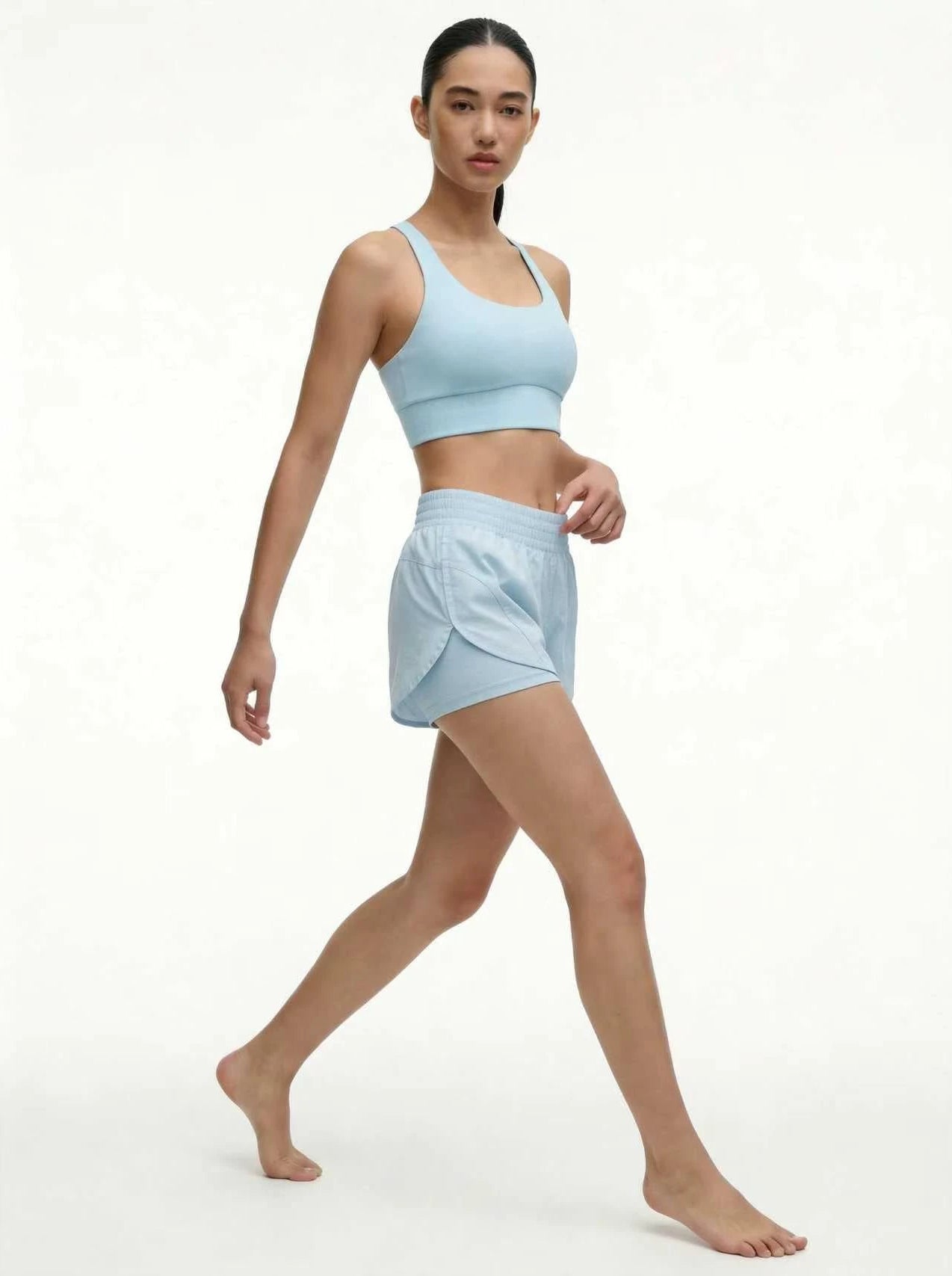
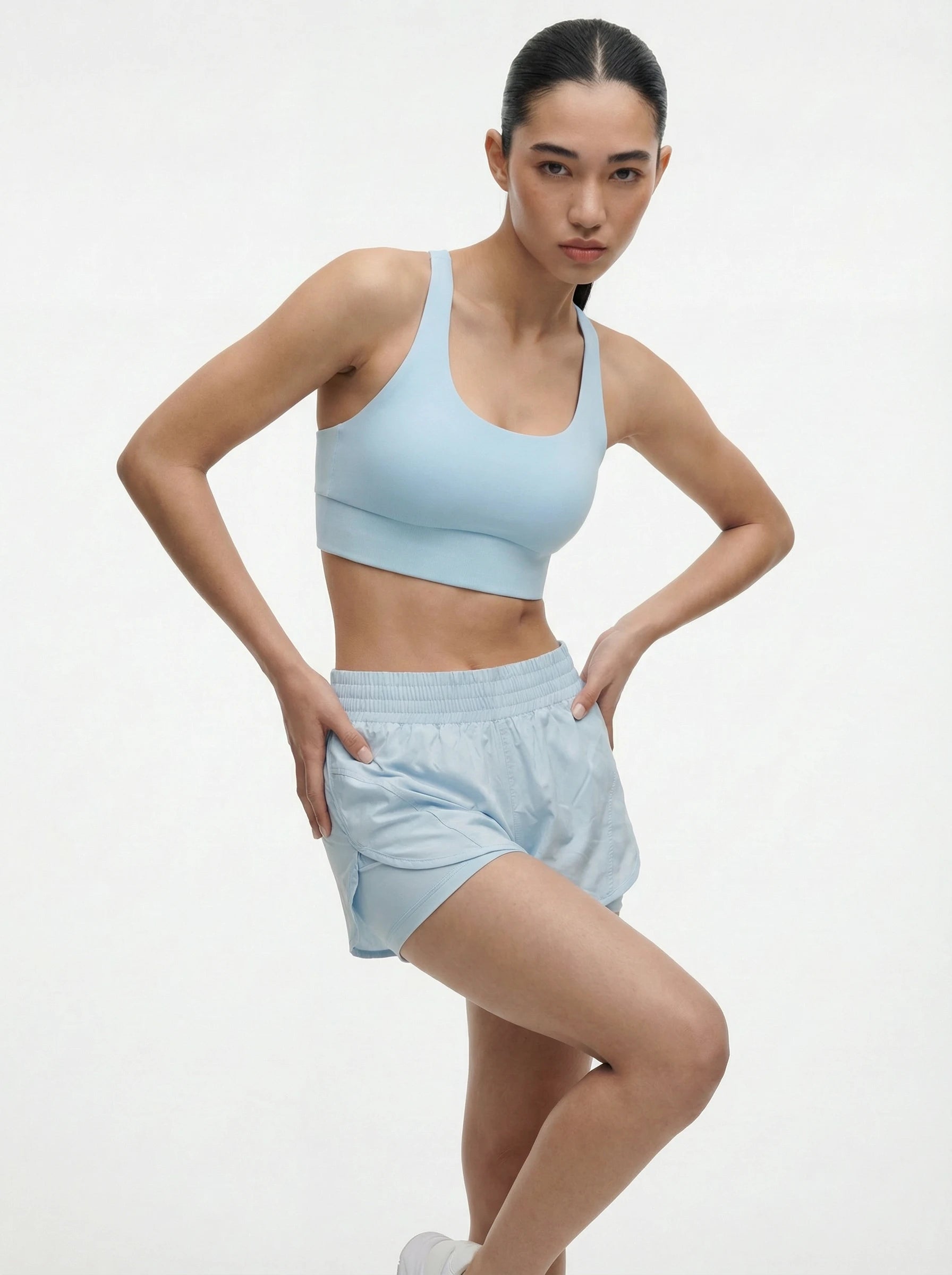
3.1 Anatomical Design: The "Fitted Top, Relaxed Bottom" Silhouette
-
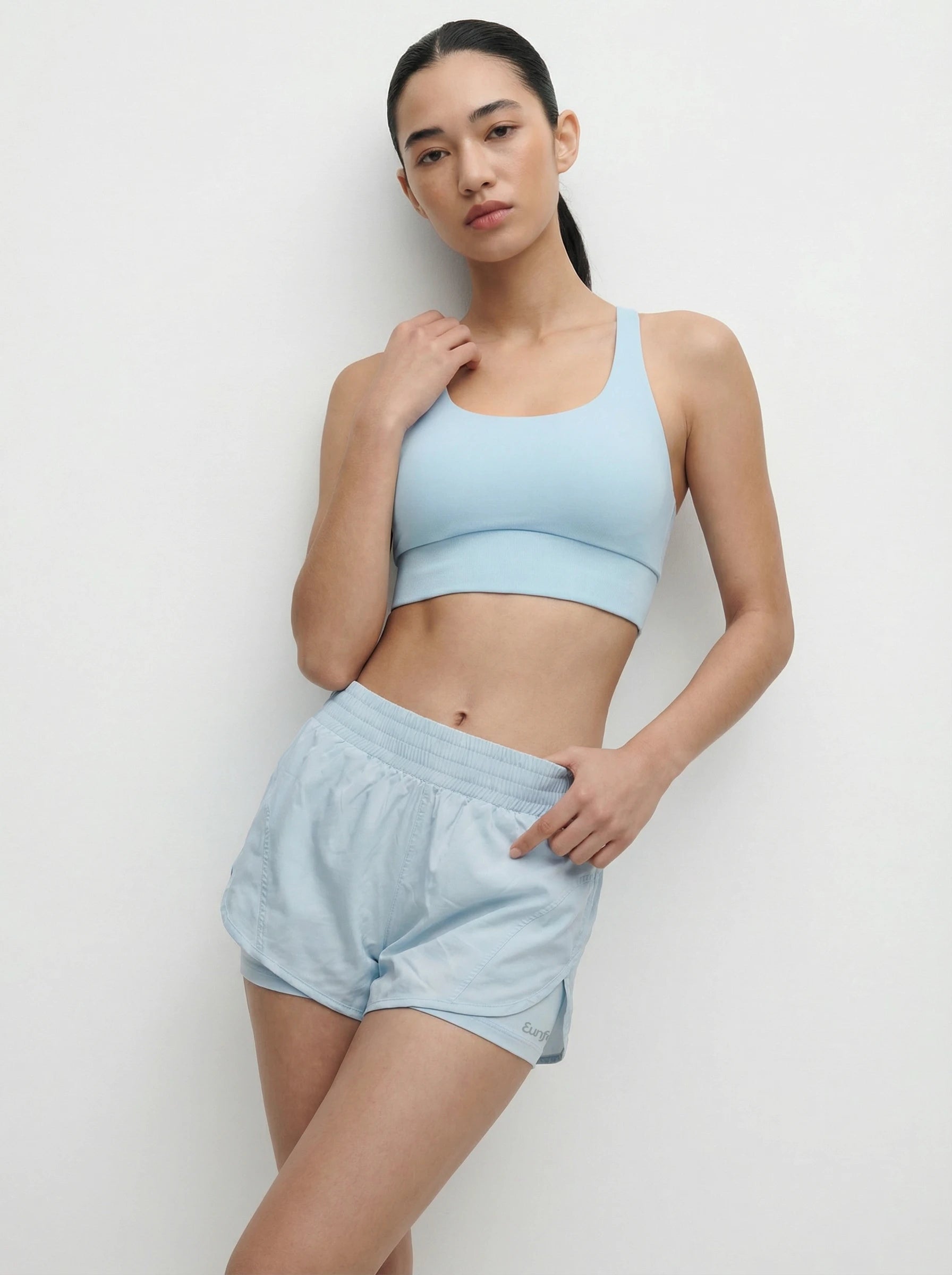
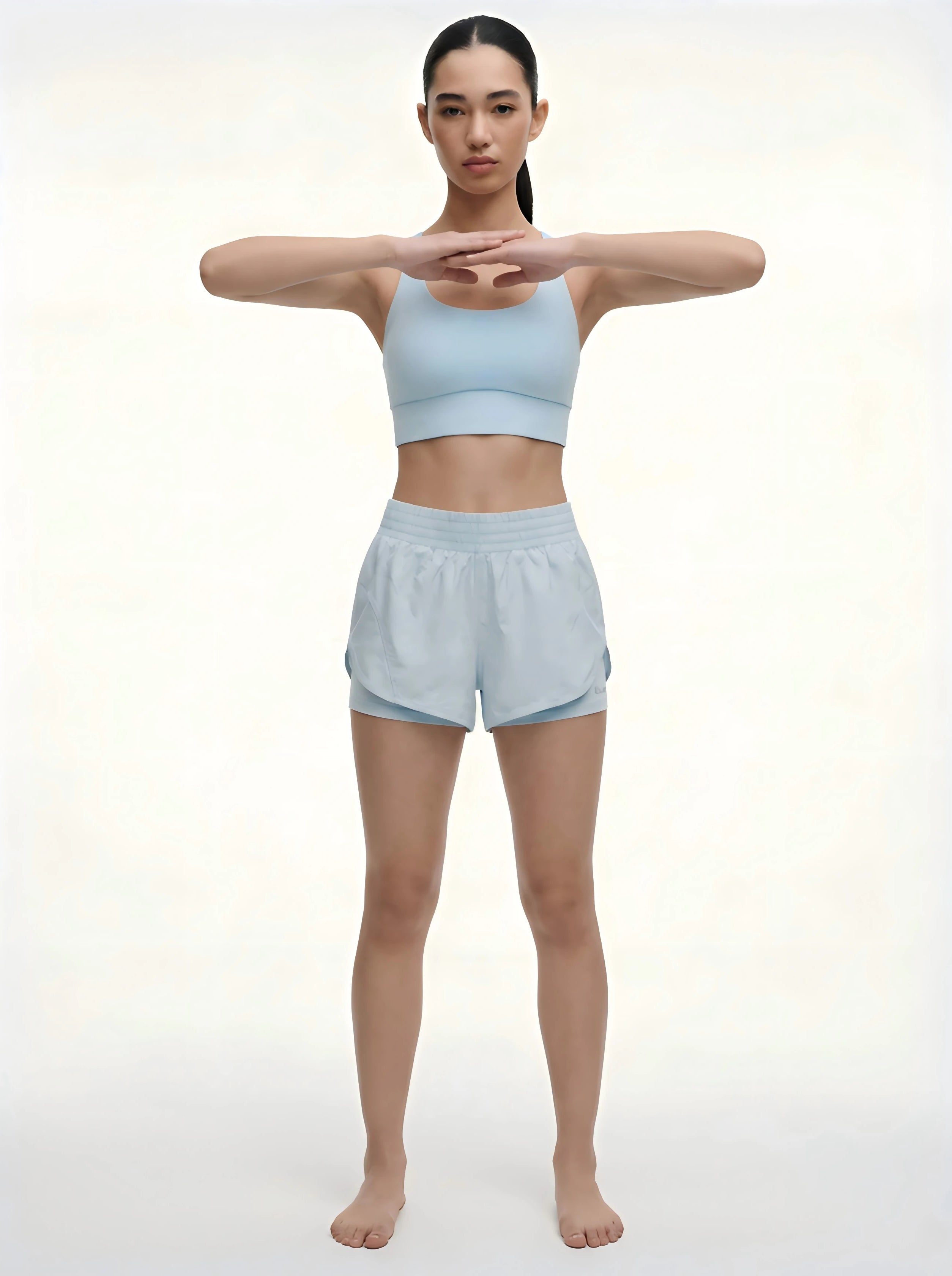
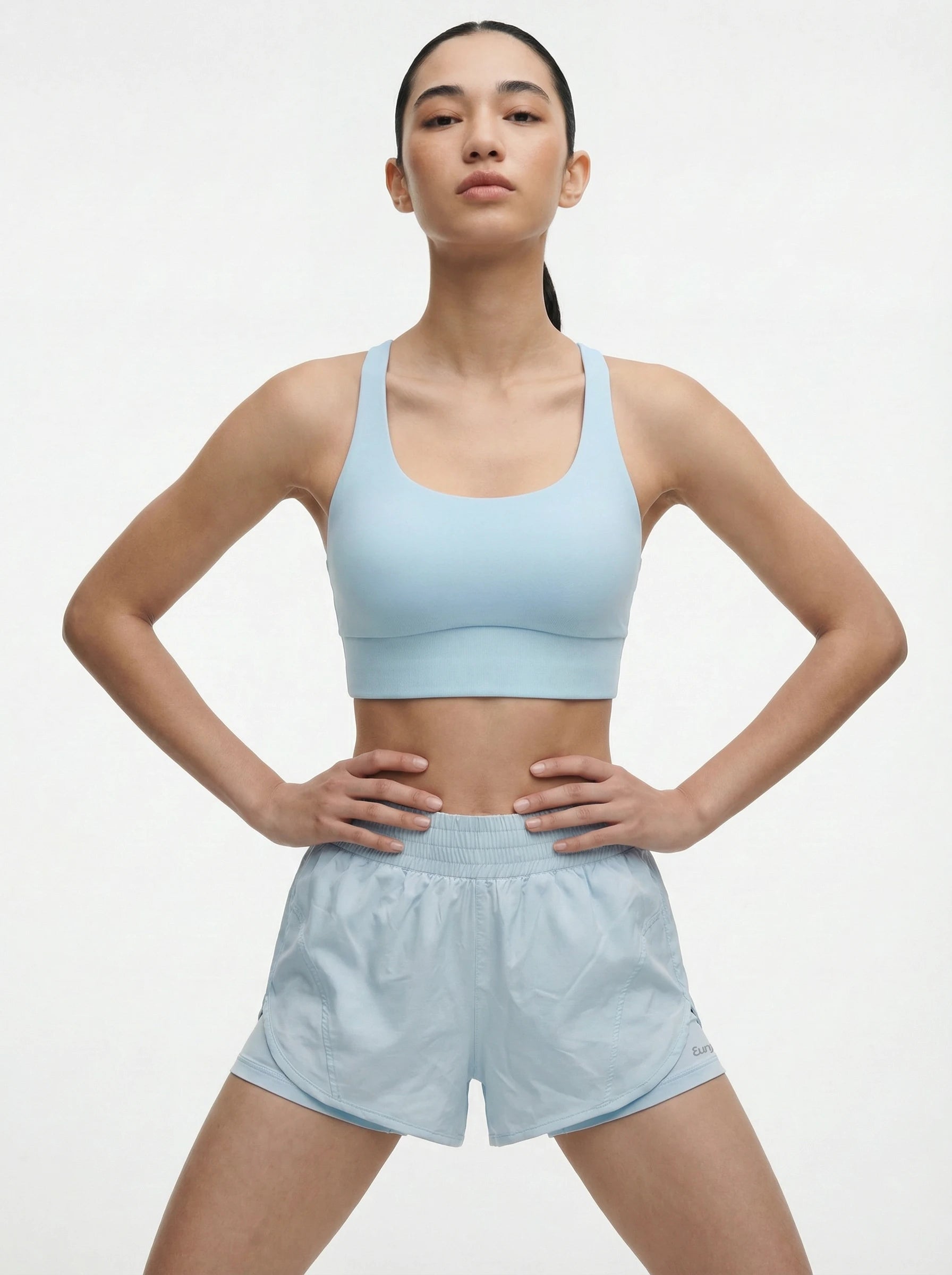
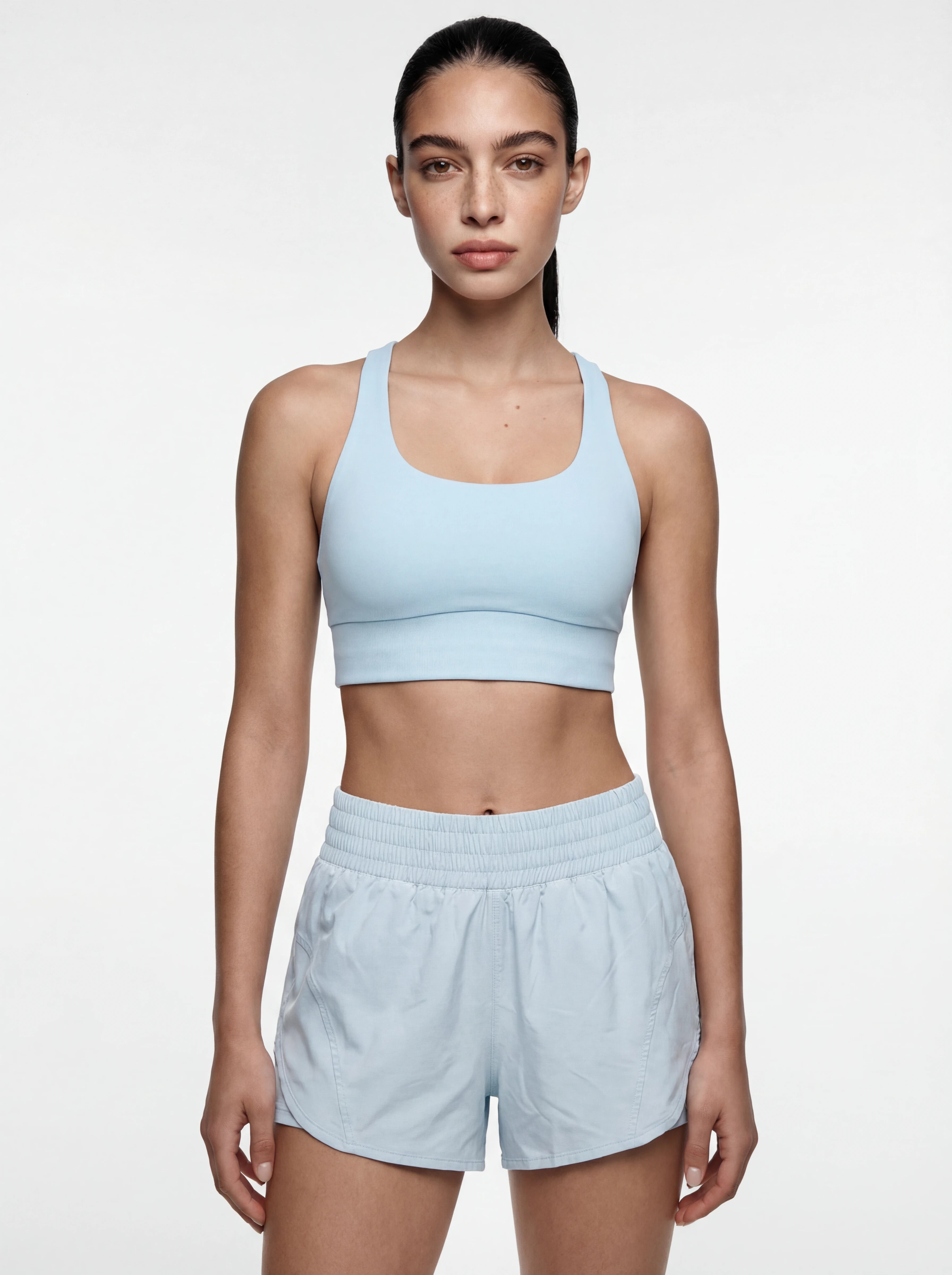
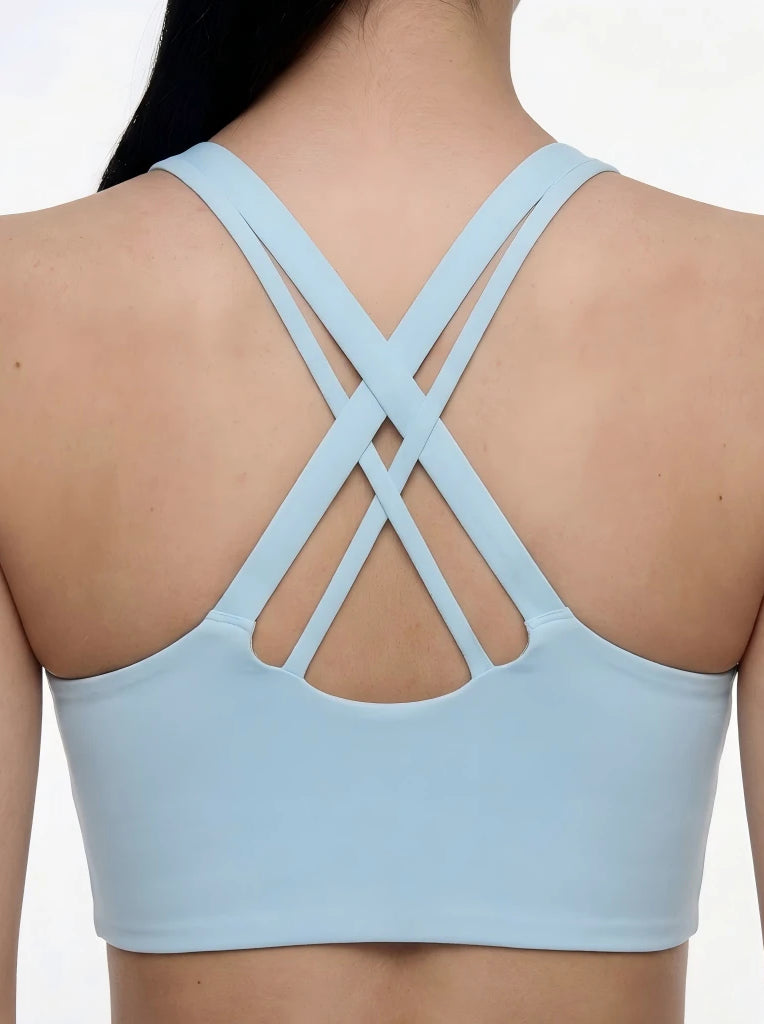
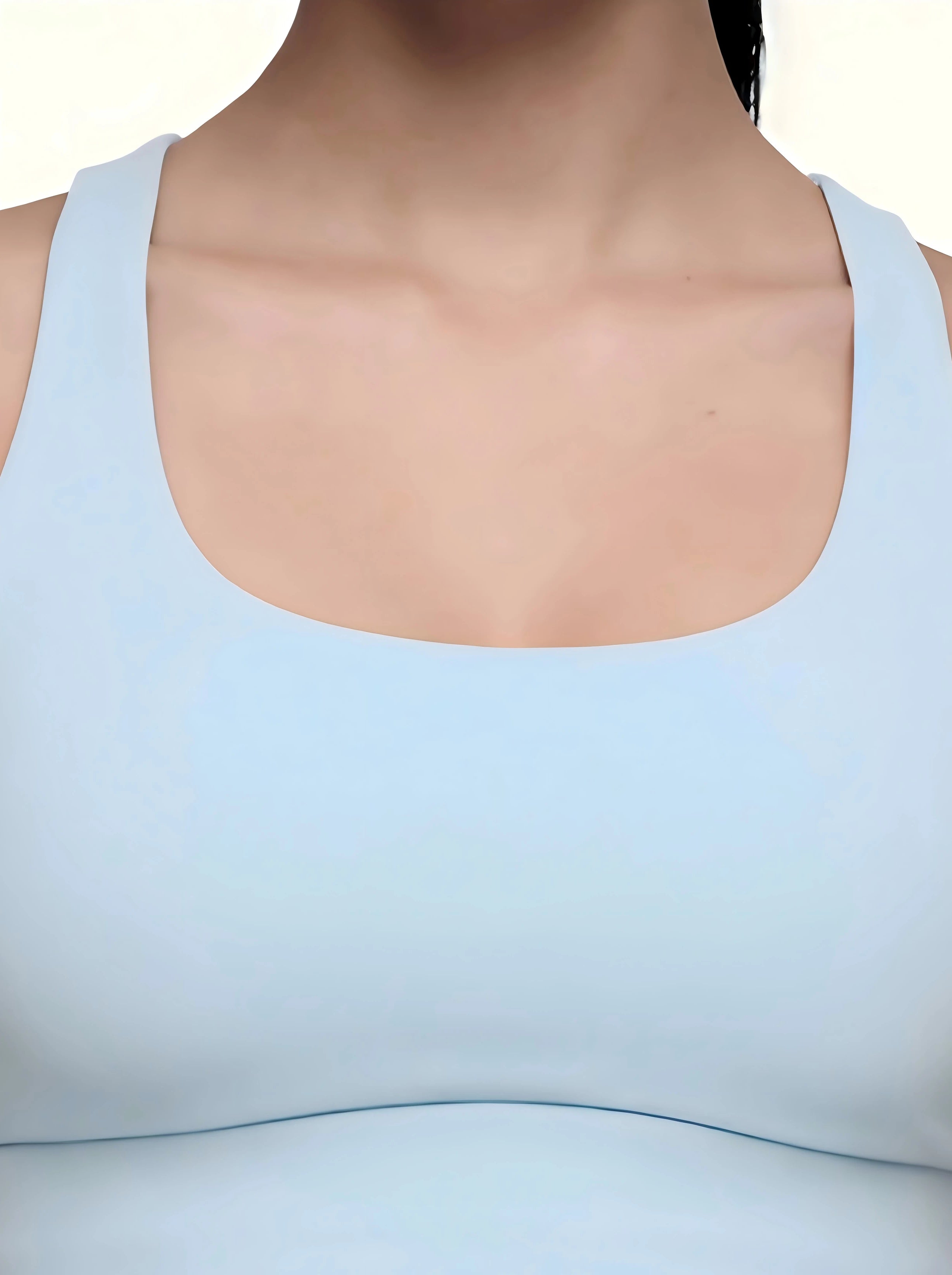
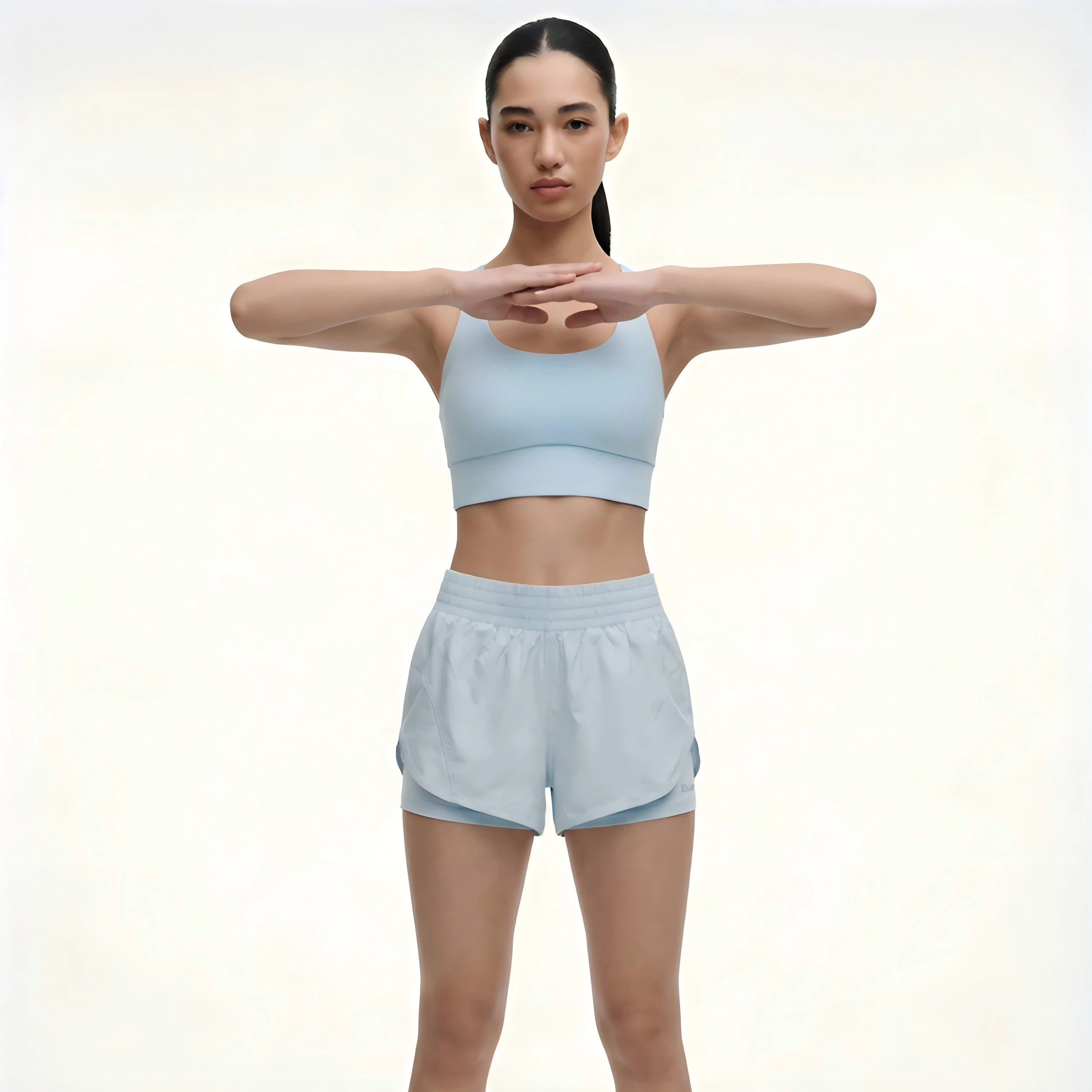
The Bralette: Designed for secure, encapsulated support that moves with the ribcage during Ujjayi breath, not against it.
-
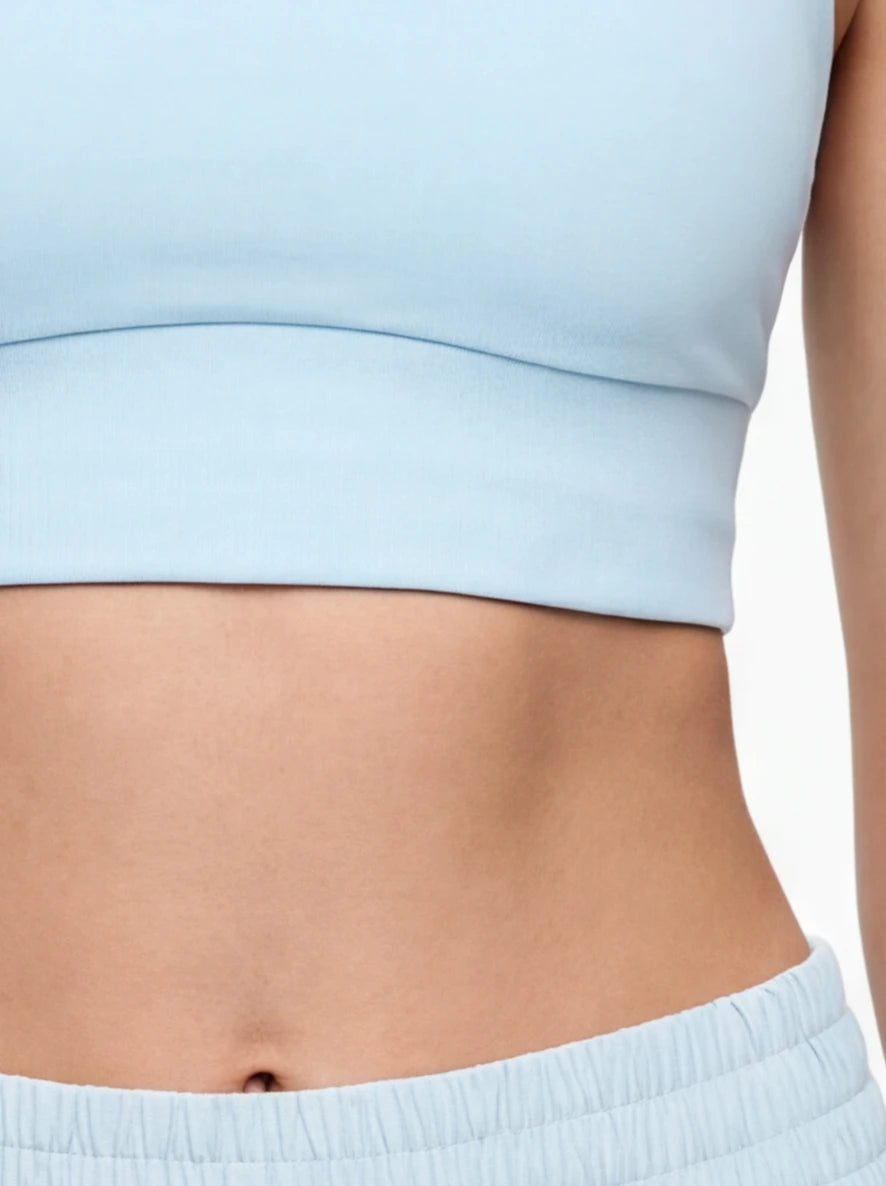
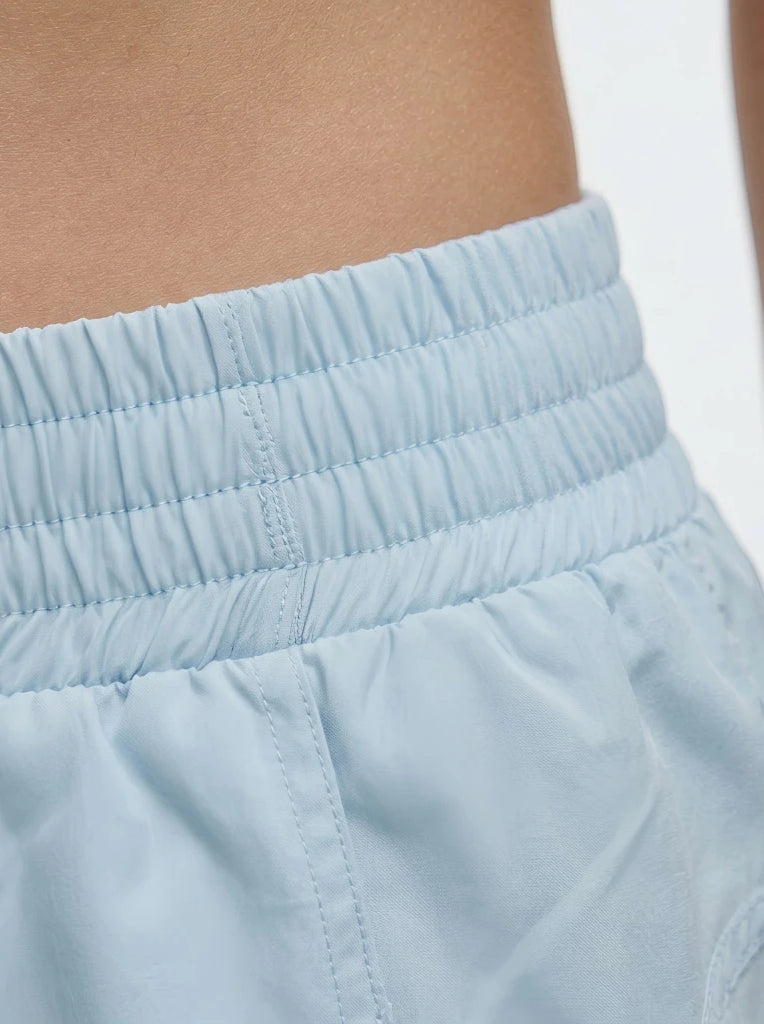
The High-Waisted Shorts: The waistband is engineered for a gentle, non-pinching hold. The shorts' relaxed leg allows for unrestricted movement in deep hip-openers like Pigeon Pose, a common pain point with restrictive shorts.
Comparative Feel of Waistband Pressure:
|
Waistband Type |
Perceived Sensation in Seated Forward Fold |
|---|---|
|
Standard Compression Band |
Firm, constant pressure; can dig in. |
|
Eunfew Flow Sensory-Free Band |
Even, distributed hold; minimal focal pressure. |
3.2 Fabric Performance: The 190GSM Equilibrium
The specified 190 GSM fabric weight is a calculated choice. In textile engineering, GSM directly correlates with a fabric's durability, opacity, and hand-feel. At 190 GSM, this fabric achieves:
-
Adequate Opacity: Provides full coverage in inversions and deep stretches, a non-negotiable for practice comfort (as noted in product reviews across yoga apparel brands).
-
Optimal Four-Way Stretch: Allows for multidirectional movement exceeding 300% elasticity (a standard for high-performance activewear), facilitating poses from wide-legged stretches to deep squats without tugging.
-
Moisture-Wicking & Breathability: The Nylon/Spandex blend is inherently hydrophobic, pulling sweat away from the skin to the fabric surface for evaporation, a key feature for maintaining a consistent microclimate.

3.3 Seamless & Tag-Free: Eliminating Irritation Points
By employing seamless knitting techniques and heat-transferred care labels, the design removes the two most common physical irritants in clothing. This is a direct application of principles from adaptive clothing design, which prioritizes comfort for sensitive populations, making it ideal for extended wear and focused practice.
Building Your Sensory-Sanctuary
4.1 Your Sensory-Free Checklist
When evaluating apparel, look for:
-
Technical Fabric Blends: Nylon/Spandex or Polyester/Spandex for durability and stretch.
-
Declared GSM: A weight between 180-220 GSM is a good indicator of a balanced "performance feel."
-
Flat or No Seams: Especially along the spine and underarms.
-
Anatomically Mapped Design: Paneling that follows muscle groups, not just straight seams.
For pieces that share this design ethos, explore the foundational styles in our collection.
4.2 Style Synergy: From Studio to Social
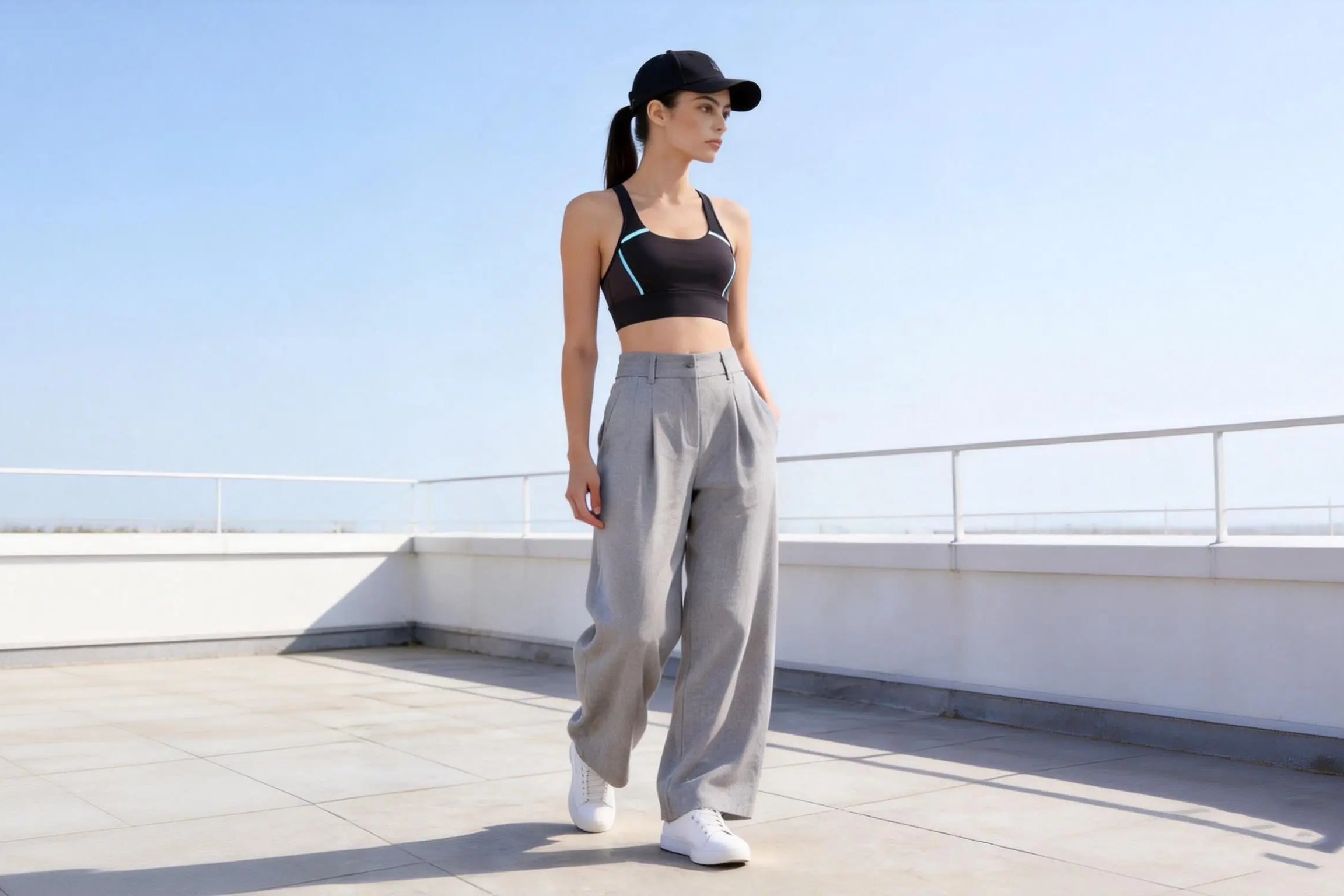
The versatility of the leopard print allows it to transition. Pair the set with a minimalist, neutral-toned piece like the for a casual, layered look. The contrast lets the leopard print serve as a powerful accent.
4.3 Protocol for Care: Preserving Performance
To maintain the technical and sensory properties of your apparel:
-
Wash: Cold water, gentle cycle. Turn inside out. Use mild detergent.
-
Dry: Tumble dry low or air dry. Avoid high heat, which can break down spandex fibers over time.
-
Do Not: Use fabric softener (it coats fibers, reducing wicking ability) or bleach.

The Logical Evolution of Practice Wear
Yoga is the conscious cultivation of awareness. Every element in your environment, including what you wear, should support that goal. Sensory-Free Yoga apparel, especially when paired with intentional design like the leopard print's psychological boost, isn't just new—it's necessary. It removes a layer of interference between you and your practice.
The is a tangible application of textile science, anatomical design, and sensory psychology. It represents a shift from clothing you practice in, to a tool you practice with.
Invest in your focus. Redefine your comfort. Experience the union of bold expression and quiet assurance.
FAQ (Frequently Asked Questions)
1. Q: Is "Sensory-Free" just for people with sensory sensitivities?
A: Not at all. While individuals with sensory processing differences may benefit greatly, the core principles of Sensory-Free design—minimizing distraction, reducing tactile "noise," and promoting unrestricted movement—enhance the practice for anyone. It's about optimizing the apparel experience to facilitate deeper focus, much like using a high-quality mat improves stability.
2. Q: How does the leopard print hold up to sweat and frequent washing? Will it fade or crack?
A: The leopard print is applied using a sublimation or high-quality digital printing technique, where dye becomes part of the fabric polymer rather than sitting on top. This means the print will not crack, peel, or significantly fade with proper care (washing in cold water, avoiding bleach). The colorfastness is integral to the fabric's longevity, a standard expectation for performance wear prints.
3. Q: The shorts are described as "relaxed." Are they still suitable for inversions where loose fabric might fall?
A: Yes. The "relaxed" refers primarily to the leg opening, designed to prevent digging into the thigh. The core fit through the hips and waist remains secure and fitted. The 190 GSM fabric has sufficient density and recovery (the ability to snap back after stretching) to stay in place during dynamic movements and inversions, providing coverage without constriction. For the most secure feel in all scenarios, ensure you select your correct size based on the provided measurement chart.