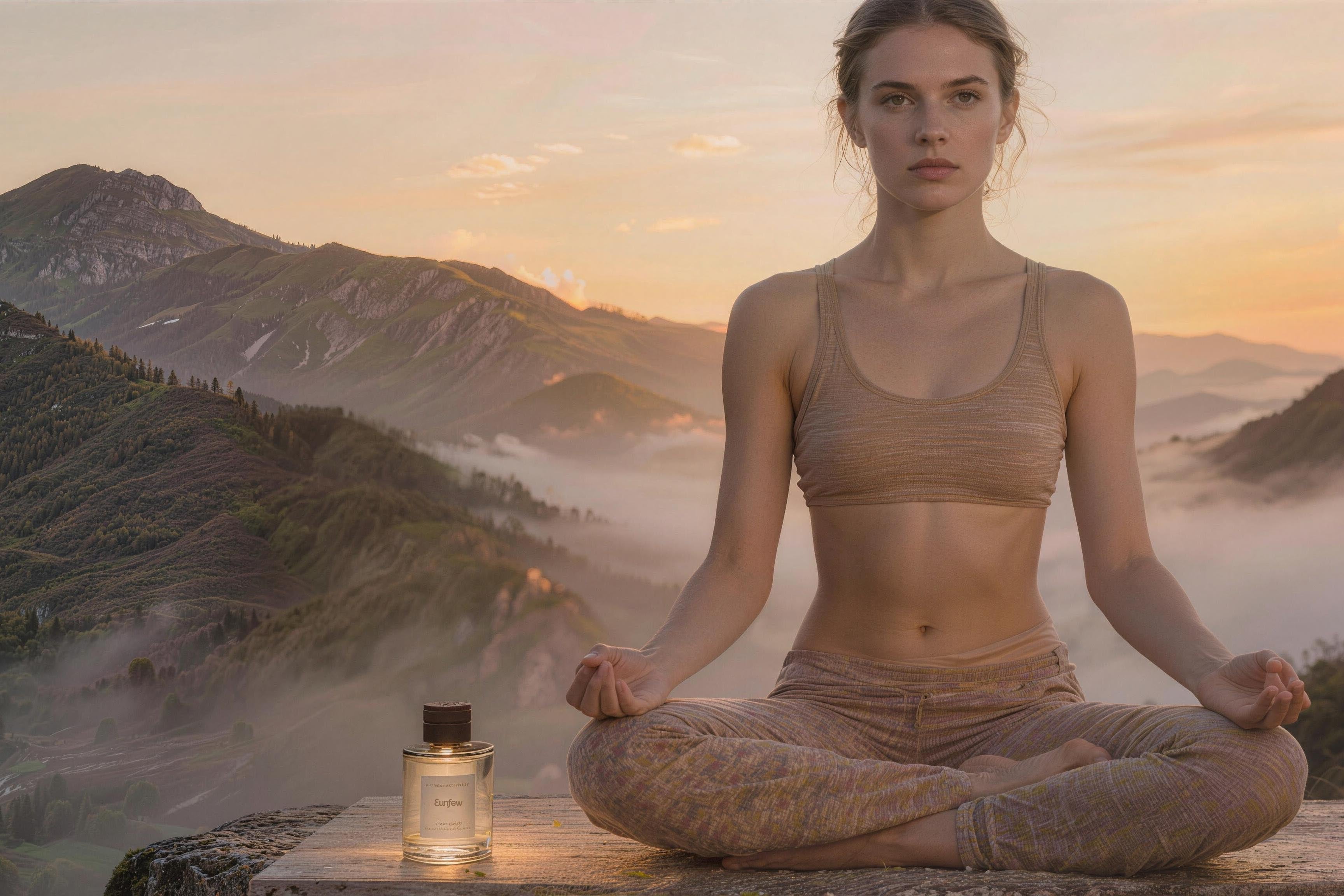


When Your Clothing is the First Step to Stillness
Have you ever settled onto your mat, intent on finding peace, only to be pulled back by a nagging seam, a scratchy tag, or fabric that just feels off? For the 15-20% of the population identified as having a Highly Sensitive Person (HSP) trait, or for anyone with sensory sensitivities, this isn't just an annoyance—it's a barrier to the sanctuary yoga promises.
This is where the practice of Sensory-Free Yoga begins: with what you wear. It’s the intentional choice to remove physical distractions, allowing your nervous system to settle and your mind to focus. And this foundation of calm doesn't require sacrificing personal expression. Enter the Leopard Sensory revolution—a bold philosophy that pairs the confidence of iconic leopard print with the profound comfort of science-backed, sensory-conscious design. This guide will help you choose yoga wear that supports not just your movement, but your holistic well-being.

1. What is Sensory-Free Yoga and Why Your Nervous System Craves It
1.1. The Neuroscience of Comfort: More Than a Feeling
Sensory-Free Yoga apparel is built on an understanding of sensory processing. Our skin, via touch receptors, sends constant signals to our brain. For sensitive individuals, this system can be easily overloaded by stimuli like rough textures or tight bands, triggering a low-grade stress response that inhibits relaxation.
The right clothing acts as a filter. By eliminating common irritants—through seamless construction, tagless designs, and ultra-soft fabrics—it reduces "sensory noise." A 2018 study in the Journal of Fashion Technology & Textile Engineeringhighlighted that tactile comfort from clothing directly impacts psychological state, reducing stress and improving focus during mindful activities. This is the empirical goal: to use design to help shift your nervous system from a state of alertness to one of calm, making deep practice possible.
1.2. Beyond Discomfort: Common Sensory Saboteurs in Yoga
The challenges are specific and often overlooked in standard activewear:
-
Tactile Interference: Raised seams that dig during Savasana, or abrasive fabric that distracts during stretching.
-
Thermal Dysregulation: Non-breathable material that causes overheating, pulling focus inward to discomfort.
-
Kinesthetic Restriction: Clothing that doesn't move withyou, creating a subconscious feeling of being held back.
Sensory-Free Yoga wear is engineered to be the solution to these very specific problems, transforming your gear from a potential adversary to an essential ally.

2. The Leopard Sensory Philosophy: Where Bold Expression Meets Inner Calm
2.1. The Psychology of the Pattern: Strength as a Sanctuary
Leopard print, a perennial trend in fashion and activewear as noted by style analysts from Vogueto Well+Good, carries deep psychological weight. It is consistently associated with attributes like confidence, independence, and primal strength. For the sensitive practitioner, this external symbol serves as "enclothed cognition"—the scientifically studied phenomenon where what we wear influences our psychological state. Donning a print that embodies fearlessness can subtly bolster your internal sense of power and reduce self-consciousness, freeing mental energy for your practice.
2.2. From Jungle to Zen: The Duality of Modern Practice
The Leopard Sensory concept perfectly mirrors the core yoga principle of balancing effort (tapas) and ease (sukha). The leopard print represents tapas—your fiery, expressive, authentic energy. The sensory-free design embodies sukha—the effortless comfort and space required for surrender and stillness. Together, they honor the full spectrum of the practitioner: the powerful, dynamic mover and the quiet, introspective observer. Explore this balance in our broader collection.
To see a sensory-aware yoga flow in action, watch this session from a renowned instructor, focusing on soothing the nervous system—a perfect complement to sensory-free attire:
3. Your Checklist for Choosing True Sensory-Free Yoga Wear
3.1. The 5 Non-Negotiable Features of Sensory-Conscious Design
Use this empirical checklist to evaluate any yoga wear:
-
Seamless or Flatlock Stitching: This is the foremost feature. It eradicates chafing points. Look for bonded seams or smooth, flat stitching.
-
Tagless, Printed Labeling: All care instructions should be printed with skin-safe ink or on a supremely soft fabric patch.
-
Strategic, Breathable Fabrication: High-quality, technical blends (like 88% Nylon / 12% Spandex) offer a soft hand-feel, moisture-wicking, and four-way stretch. The weight (e.g., 190 GSM) should feel substantial but not heavy.
-
Ergonomic, Unrestricting Fit: Clothing should sculpt and support without compression. A "fitted top, relaxed bottom" silhouette allows for both security and freedom.
-
Mindful Design Details: Rounded hems, laser-cut edges, and non-slip features all contribute to a distraction-free experience.
3.2. Material Intelligence: Performance with a Purpose
The choice between natural and synthetic fibers has nuances. While cotton is soft, advanced blends are engineered for performance. Nylon provides durability and a silky feel, while a precise percentage of Spandex (like the 12% in our set) ensures optimal recovery and shape retention without constriction. The authority lies in the textile engineering: a premium blend designed for sensory-friendly wear prioritizes a plush, non-irritating surface that performs under movement.

4. Case in Point: The Eunfew Flow Leopard Sensory-Free Yoga Set
4.1. Design with Intention: A Sanctuary, Stitched
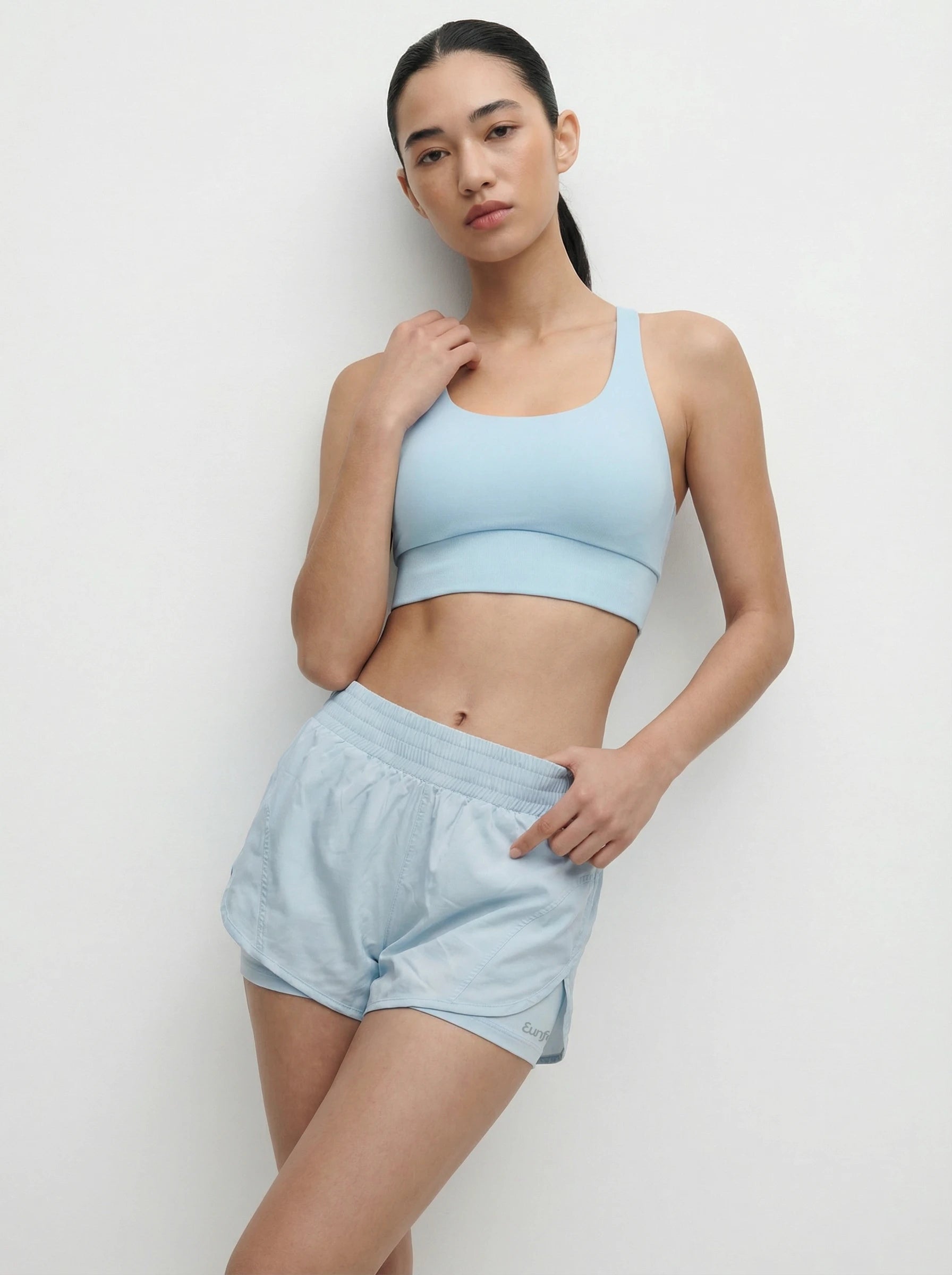
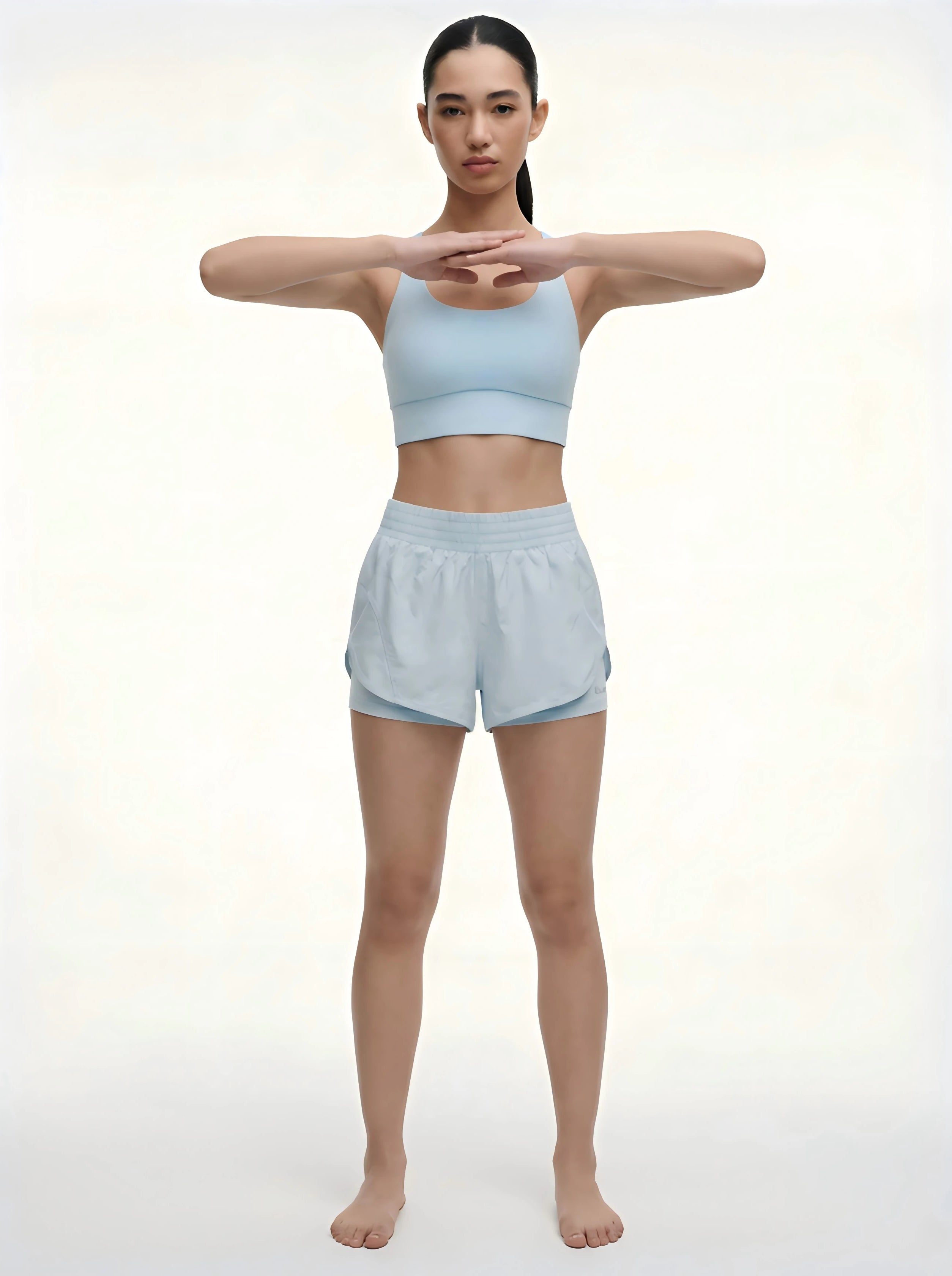
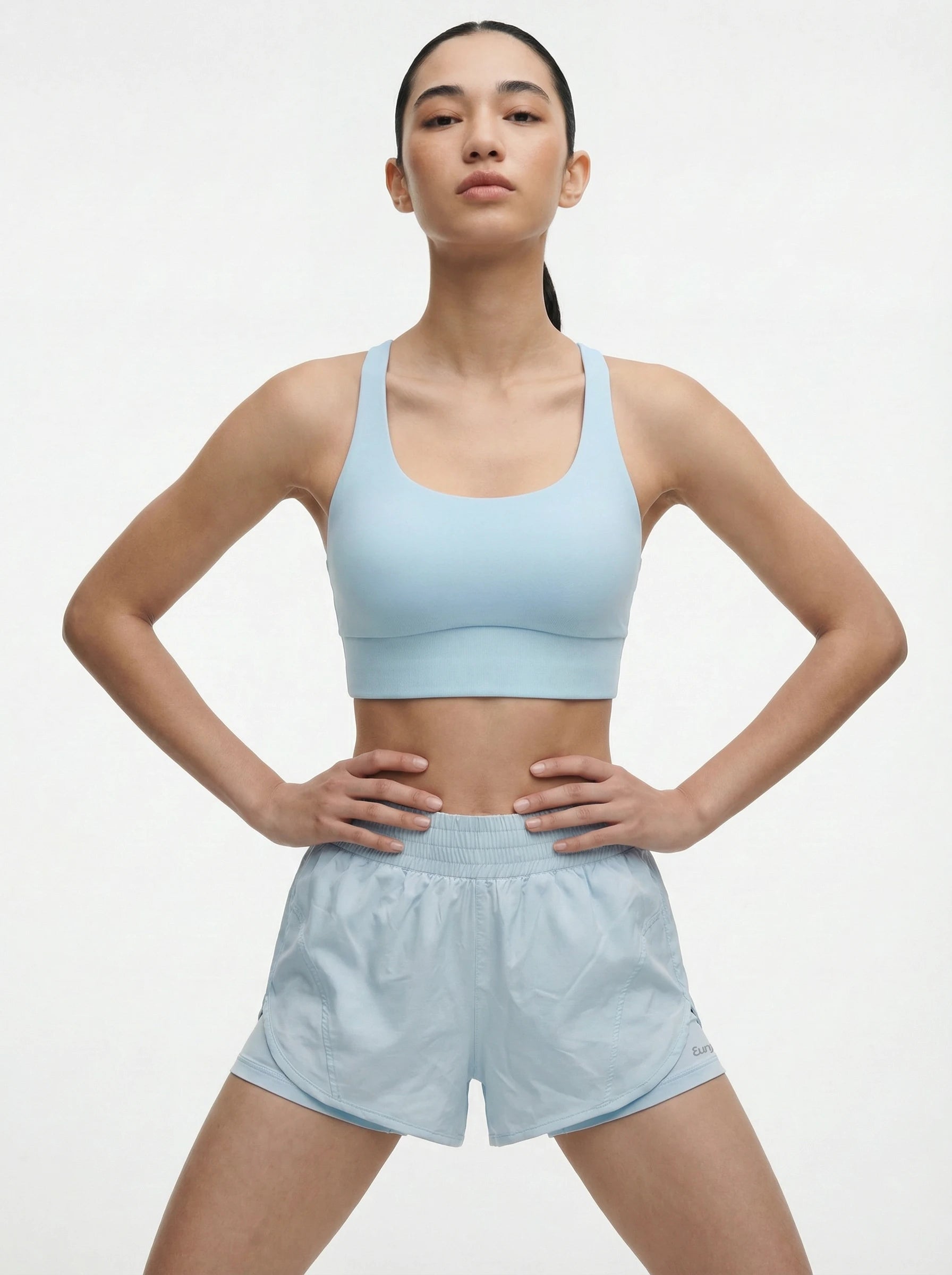
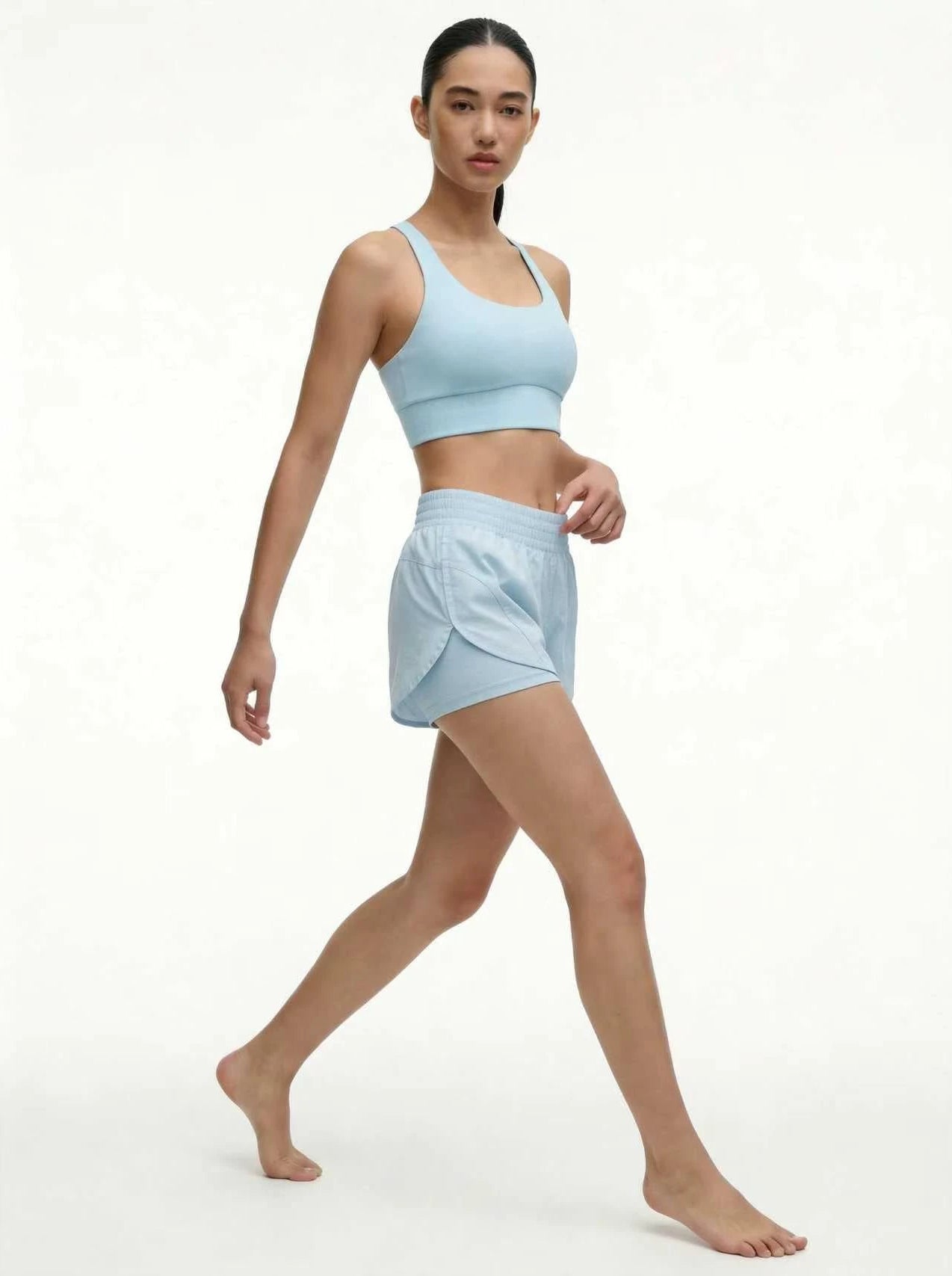
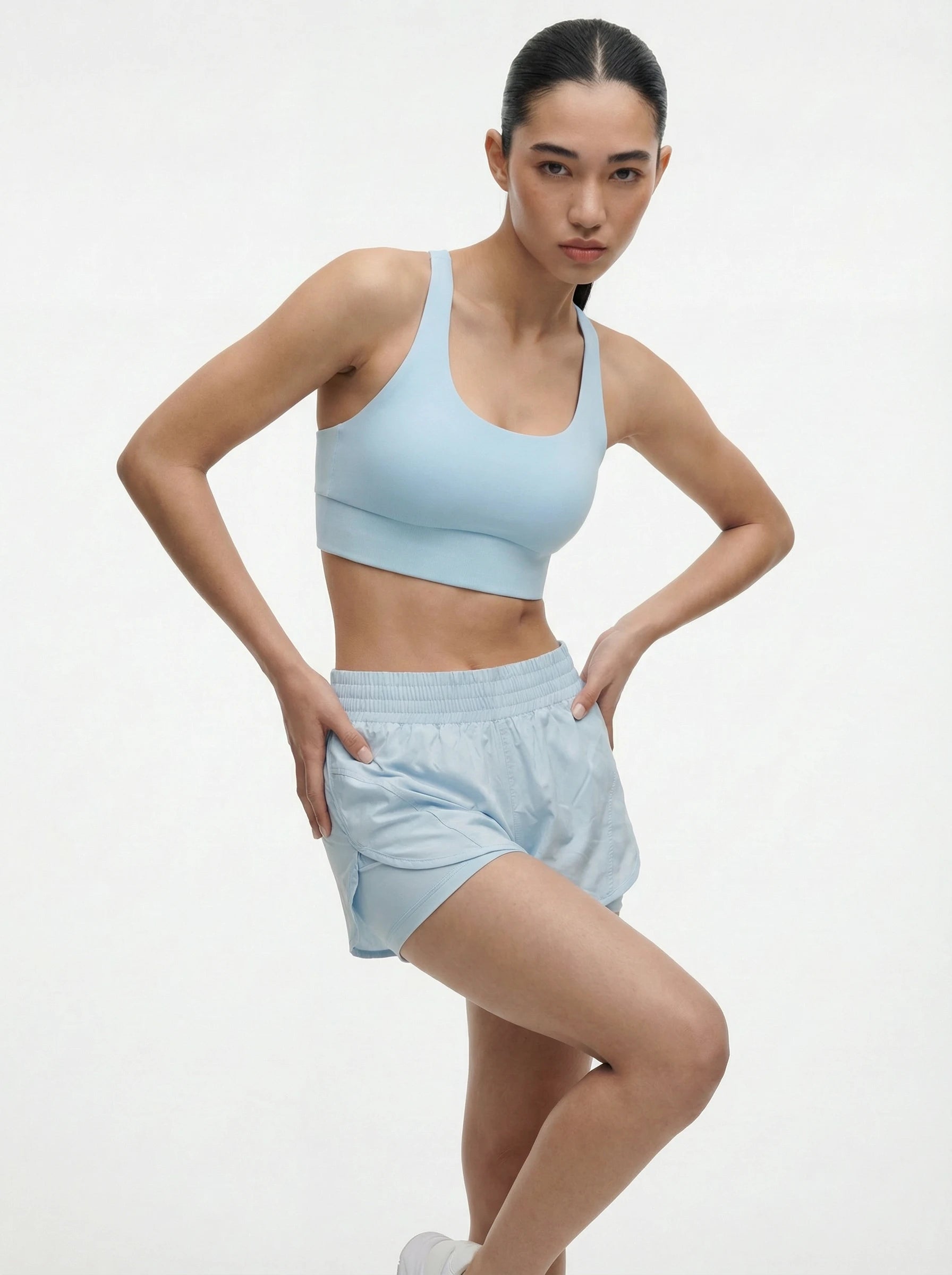
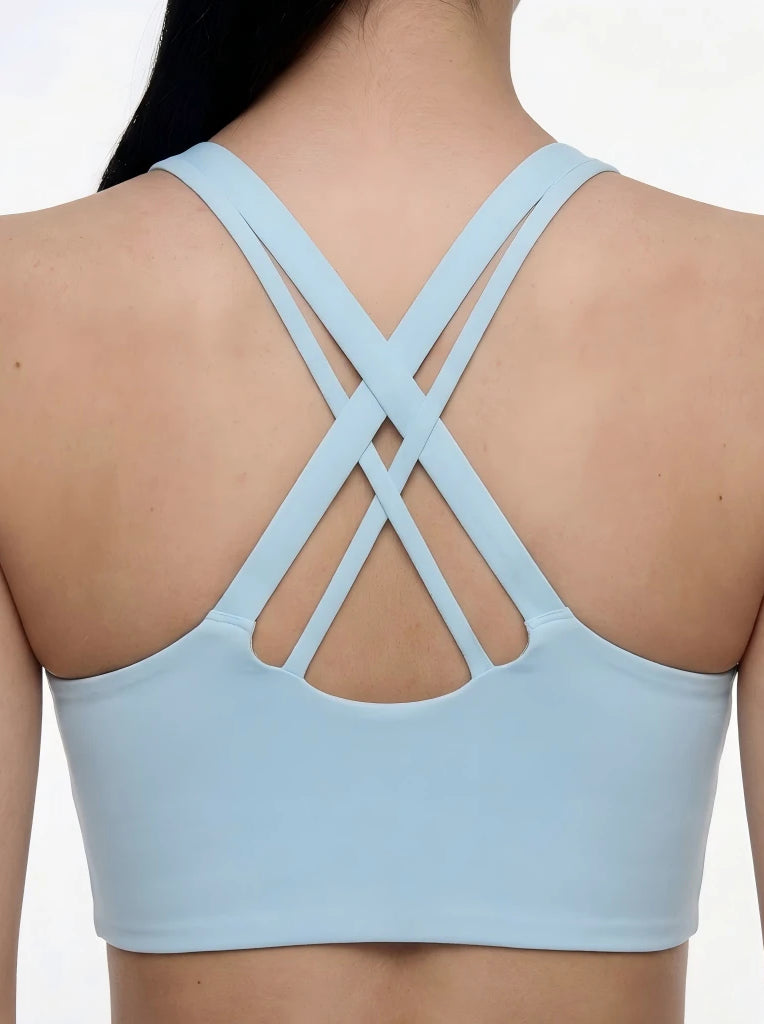
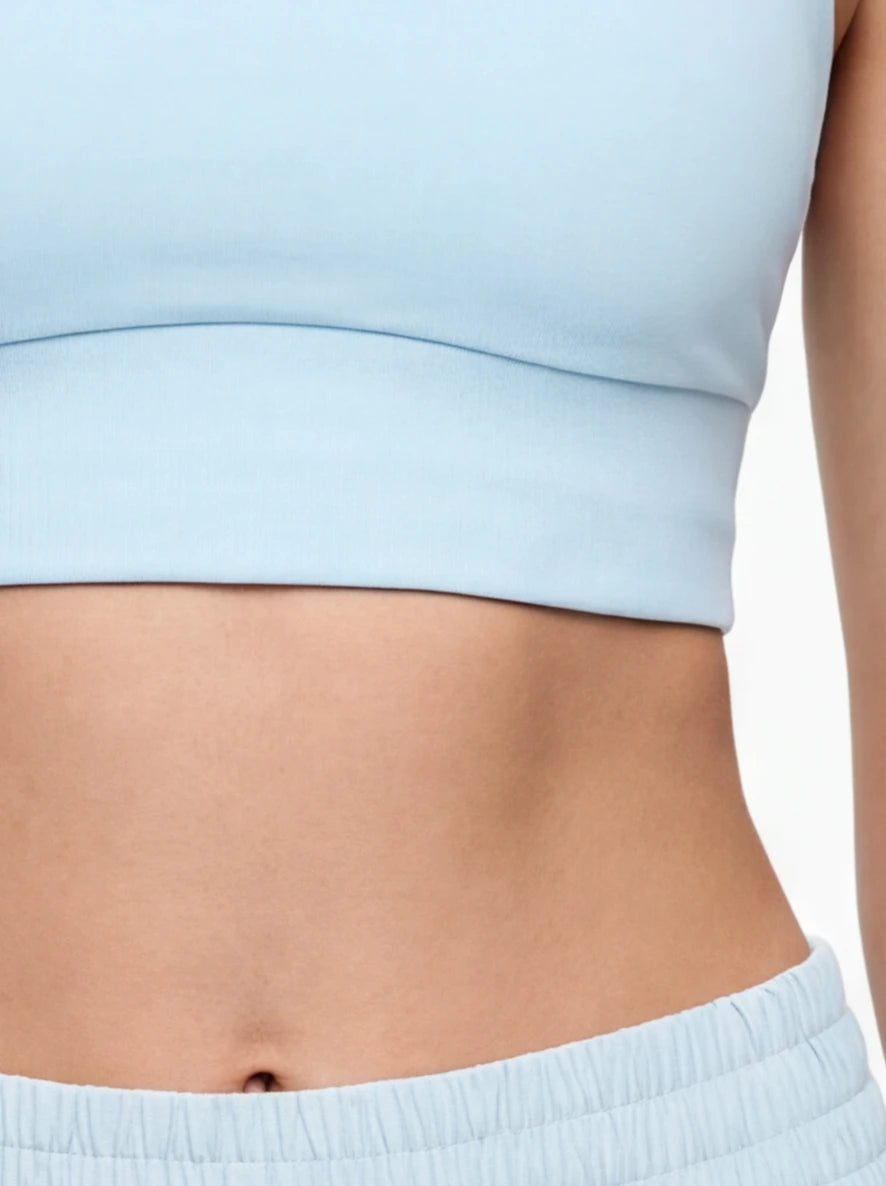
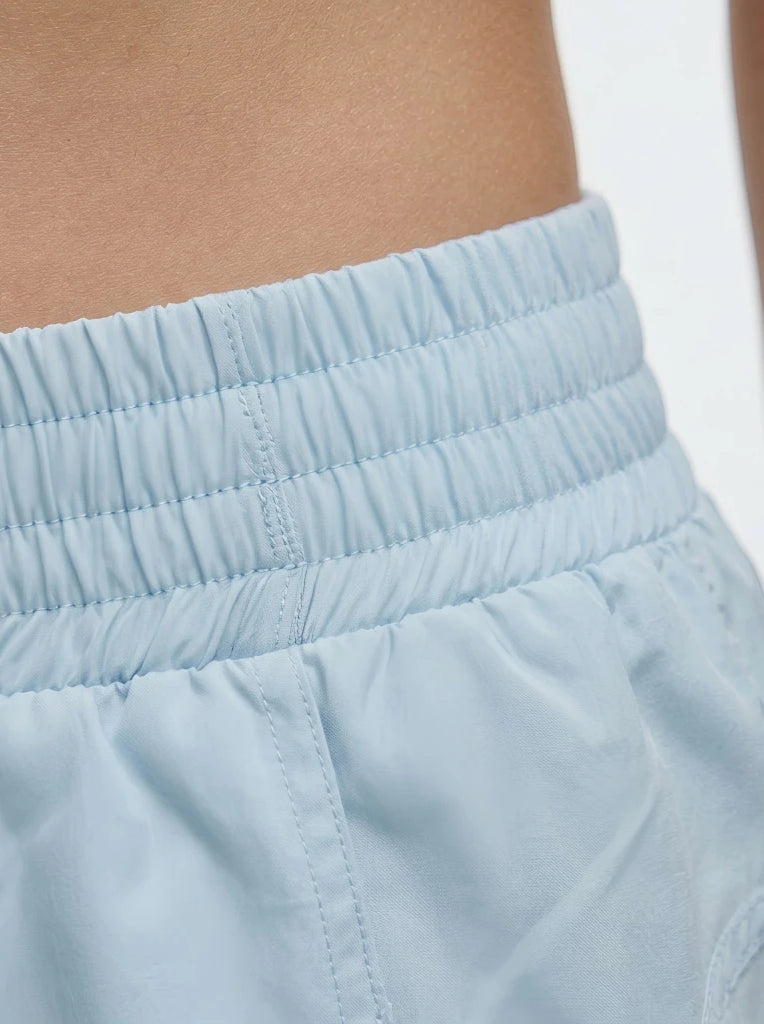
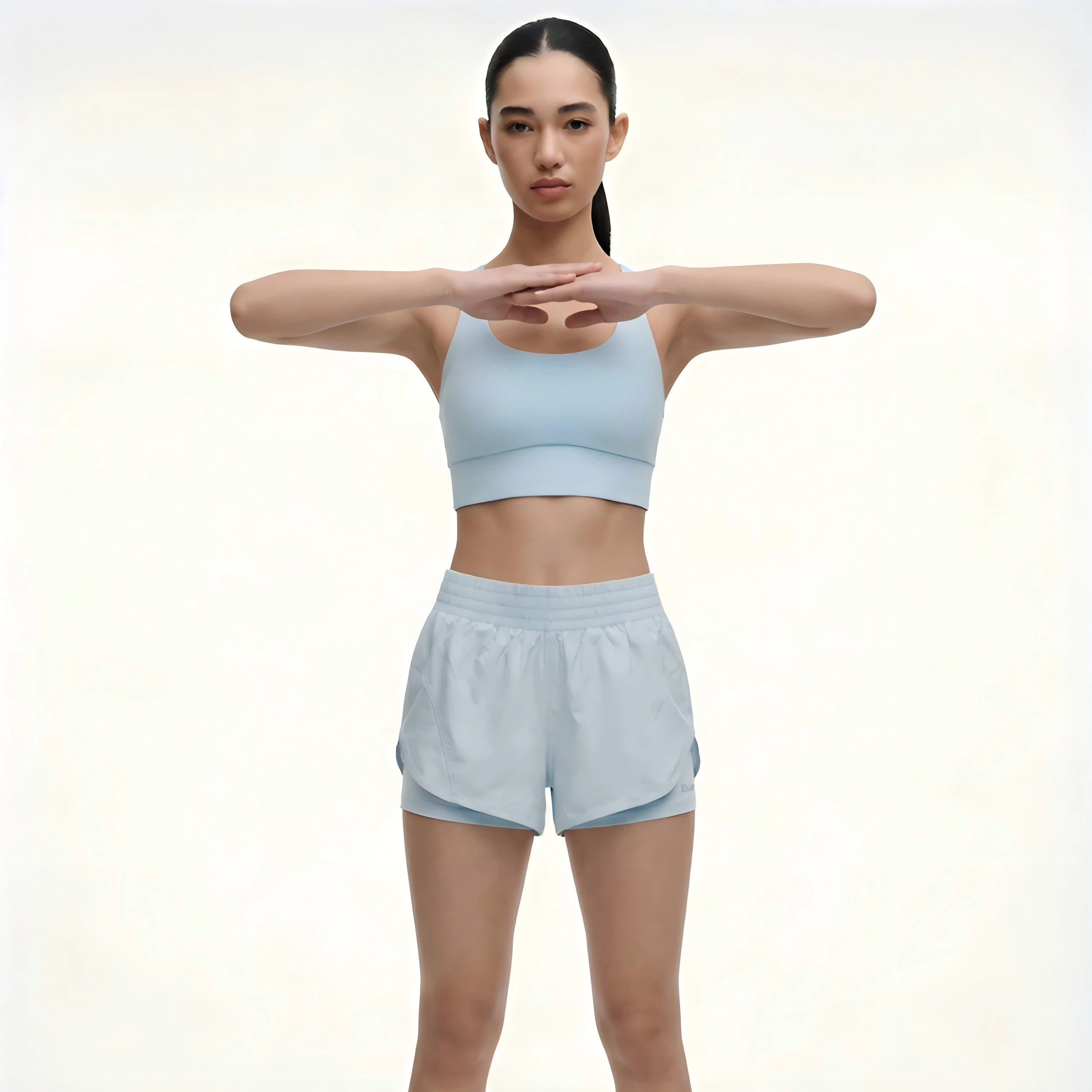
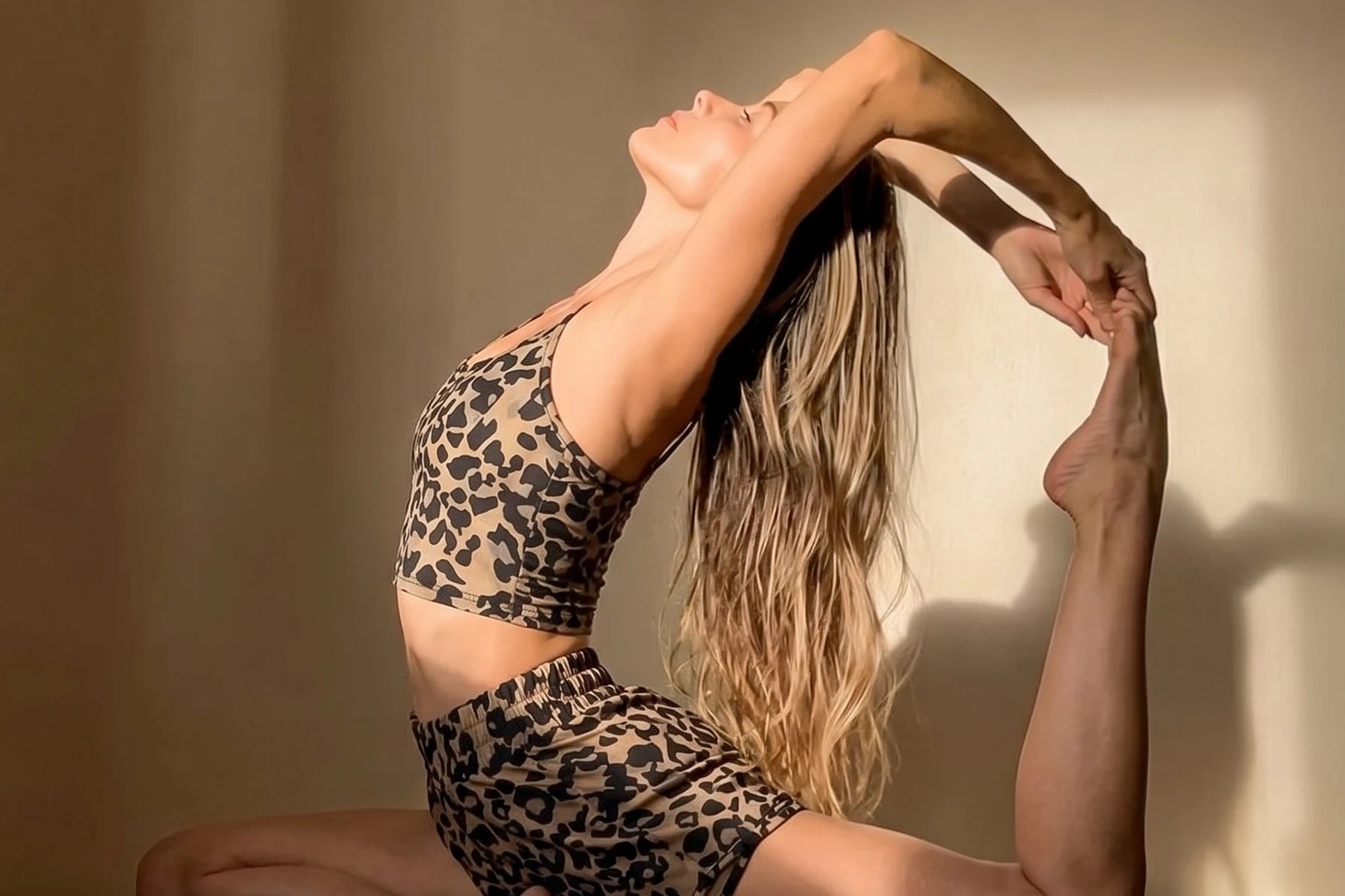
At Eunfew, our authority stems from a dedicated design philosophy: "Eastern Zen x Modern Movement Science." This is not just a tagline; it's our protocol. Each piece, like the , is developed with this intentionality. We analyze movement patterns to place seams away from high-friction zones, select fabrics based on their tactile and thermoregulatory properties, and design silhouettes that facilitate, not hinder, asana.
4.2. A Closer Look: The Empirical Benefits
Let's translate the design features into tangible practice benefits:
|
Feature |
Component |
Direct Benefit for Sensitive Practitioners |
|---|---|---|
|
Touchpoint Design |
Tagless, flatlock seams, gusseted crotch |
Eliminates pinpoint sources of chafing and itch. |
|
Kinesthetic Freedom |
4-way stretch fabric (88% Nylon/12% Spandex) |
Moves with the body, zero restriction in binds or folds. |
|
Thermal Management |
Breathable 190GSM fabric |
Wicks moisture, prevents clammy overheated feeling. |
|
Sensory Harmony |
Ultra-soft, brushed interior |
Provides a calming, "second-skin" tactile input. |
|
Confidence Boost |
All-over leopard print |
Leverages enclothed cognition for empowered mindset. |
4.3. Your Invitation to a New Practice Experience
This is an investment in the quality of your mindful time. The sensory-friendly apparel market is a validated, growing sector, with analysts at Grand View Research projecting continued expansion as awareness of sensory needs increases—a trend we are committed to leading with integrity.
Are you ready to experience the difference that intentional design makes? and feel your practice transform. For a foundational wardrobe built on the same principles, explore our classic collection.
Conclusion: Dressing for the Practice You Deserve
Choosing your yoga wear is a form of self-respect. It is selecting a partner that actively supports your journey inward by removing barriers to comfort. The Eunfew Flow Leopard Set is a testament to this principle, embodying the Leopard Sensory ideal where unwavering comfort meets authentic expression.
Your mat is your sanctuary. We provide the gear that helps you protect it. Embrace the quiet. Wear the wild.

FAQ
Q1: Is "Sensory-Free" just a marketing term, or is there real science behind it?
A1: It is a design philosophy grounded in established science. The concept addresses sensory processing, which is well-documented in psychological and occupational therapy research. Clothing that minimizes negative tactile input can help lower sympathetic nervous system arousal, as noted in studies on textile comfort and psychological state. Our designs apply these principles through specific construction and material choices to reduce sensory load.
Q2: I love the leopard print, but I'm worried it's not "zen." Is this appropriate for a studio setting?
A2: Absolutely. Modern mindfulness is about authenticity, not aesthetics. Wearing something that makes you feel confident and powerful directly supports a positive mental state, which is the foundation of a good practice. The "zen" is an internal state cultivated by comfort and focus; your attire should support that, not conform to an outdated stereotype. Our print is designed to be a sophisticated, empowering pattern.
Q3: How do I care for my sensory-free set to maintain its specific benefits?
A3: Proper care is crucial to preserve the precise engineering of the fabric and seams. We recommend:
-
Machine wash cold on a gentle cycle with similar colors.
-
Use a mild, liquid detergent. Avoid bleach and fabric softeners, as they can degrade technical fibers and coat them, reducing softness and breathability.
-
Tumble dry on low heat or lay flat to dry. High heat can damage elastic fibers (Spandex).
-
Do not iron.
Following these steps, as per the care label, ensures the garment's performance and sensory-friendly properties last.