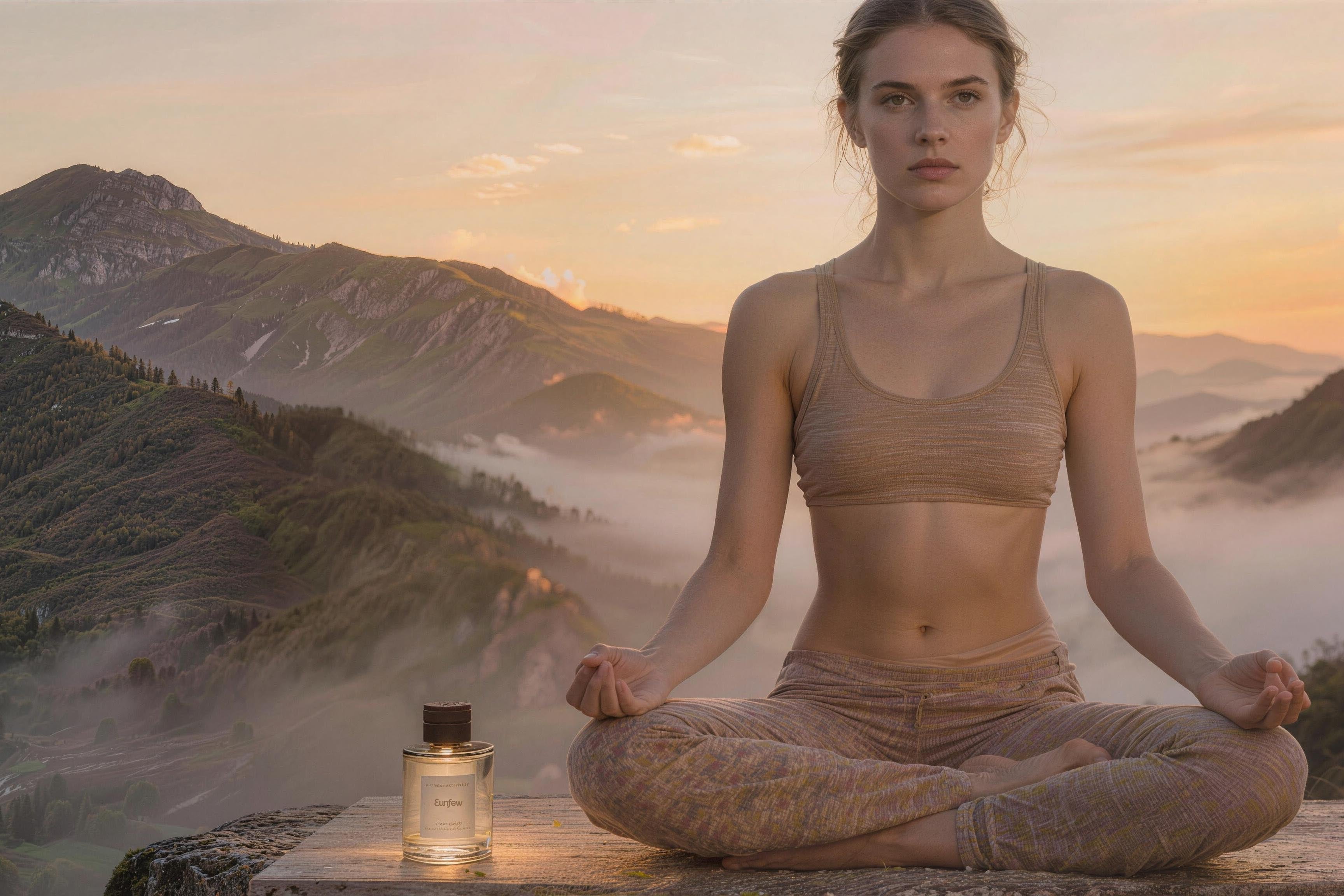

Introduction: Redefining Your Morning Sanctuary
That precious, quiet space of dawn—before the world wakes—is your sanctuary. It’s a time for setting intention, connecting with your breath, and awakening the body with mindful movement. Yet, for many, this sacred practice is subtly undermined not by a lack of discipline, but by an unseen distraction: the clothing on their skin.
The constant need to adjust a slipping strap, the discomfort of a tight waistband, or the irritation of a seam pulling during a deep stretch fractures focus. It pulls you from the internal world of sensation to the external world of nuisance. This is the very barrier that the Sensory-Free Yoga philosophy seeks to dismantle. It posits that true depth in practice is achieved not just through asana, but through the elimination of all physical distractions, allowing for complete immersion in the present moment.
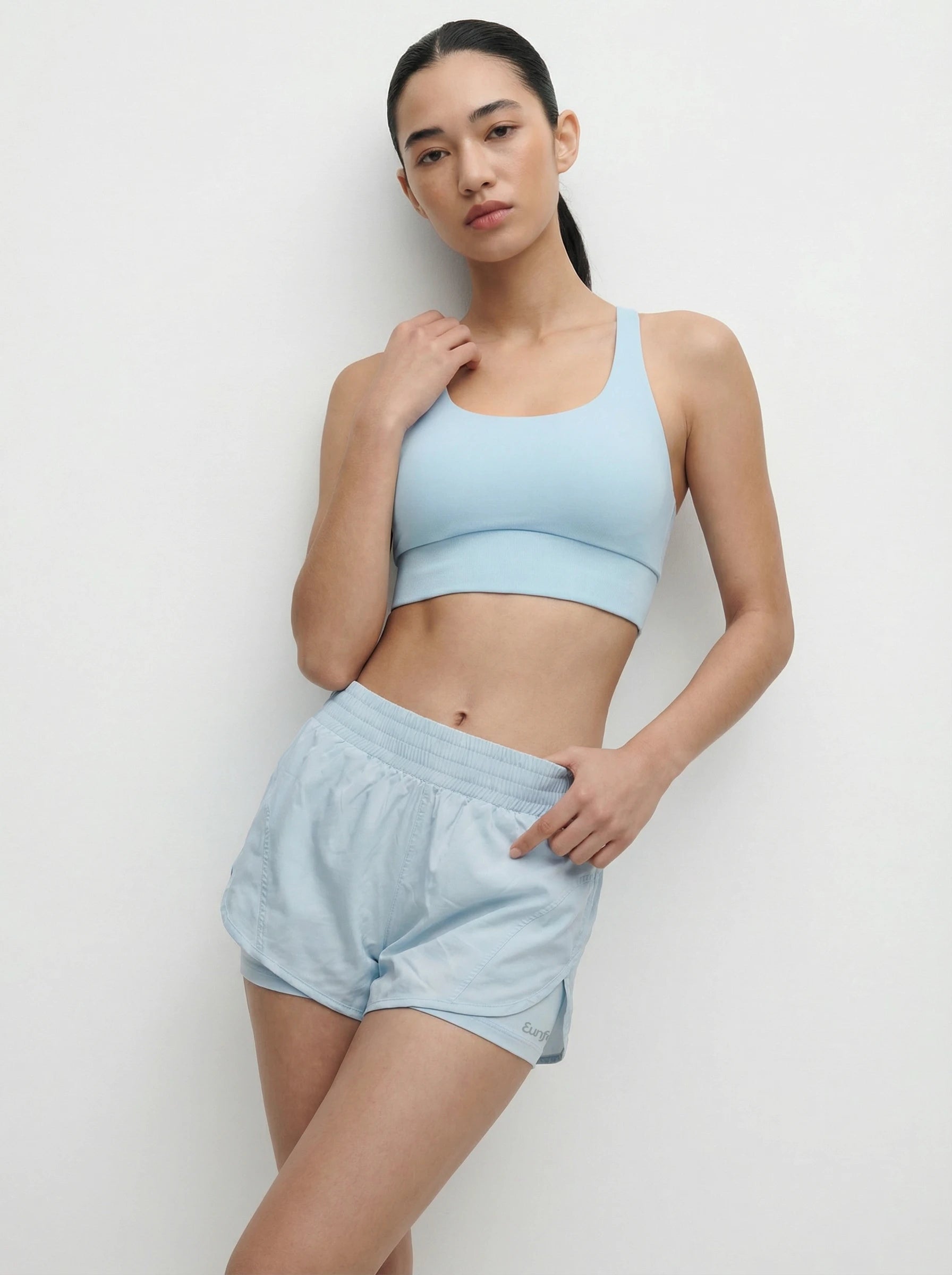
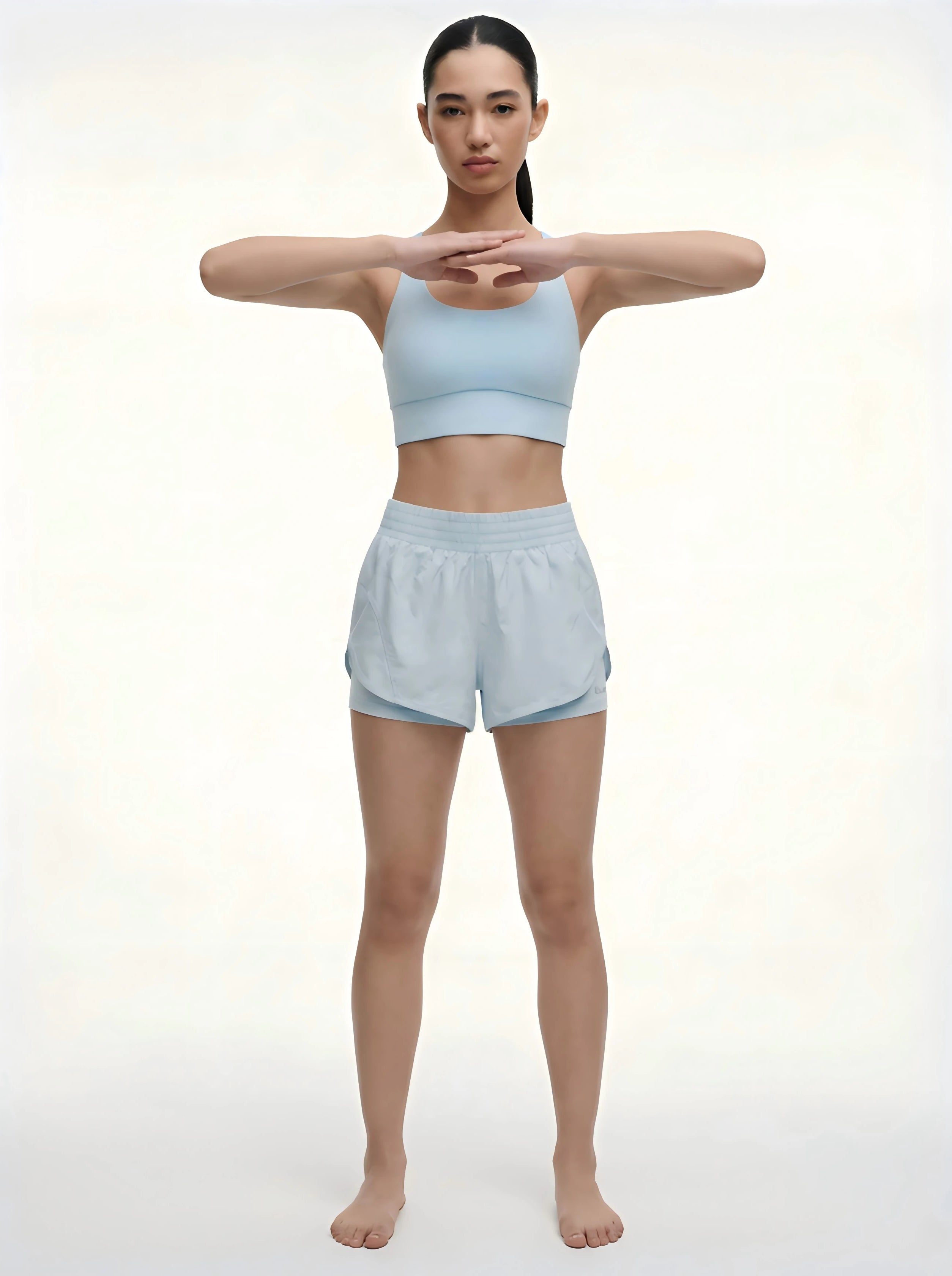
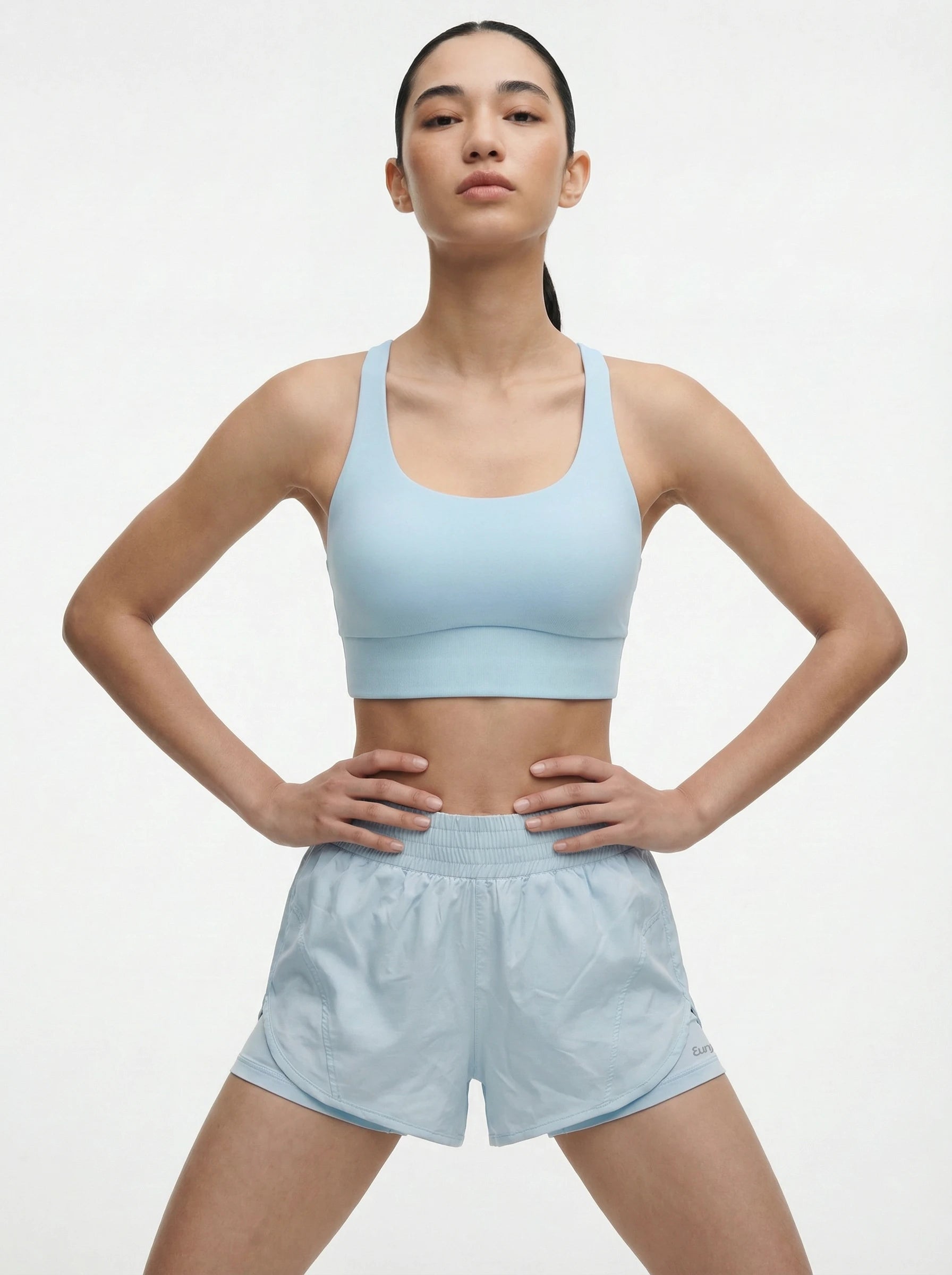
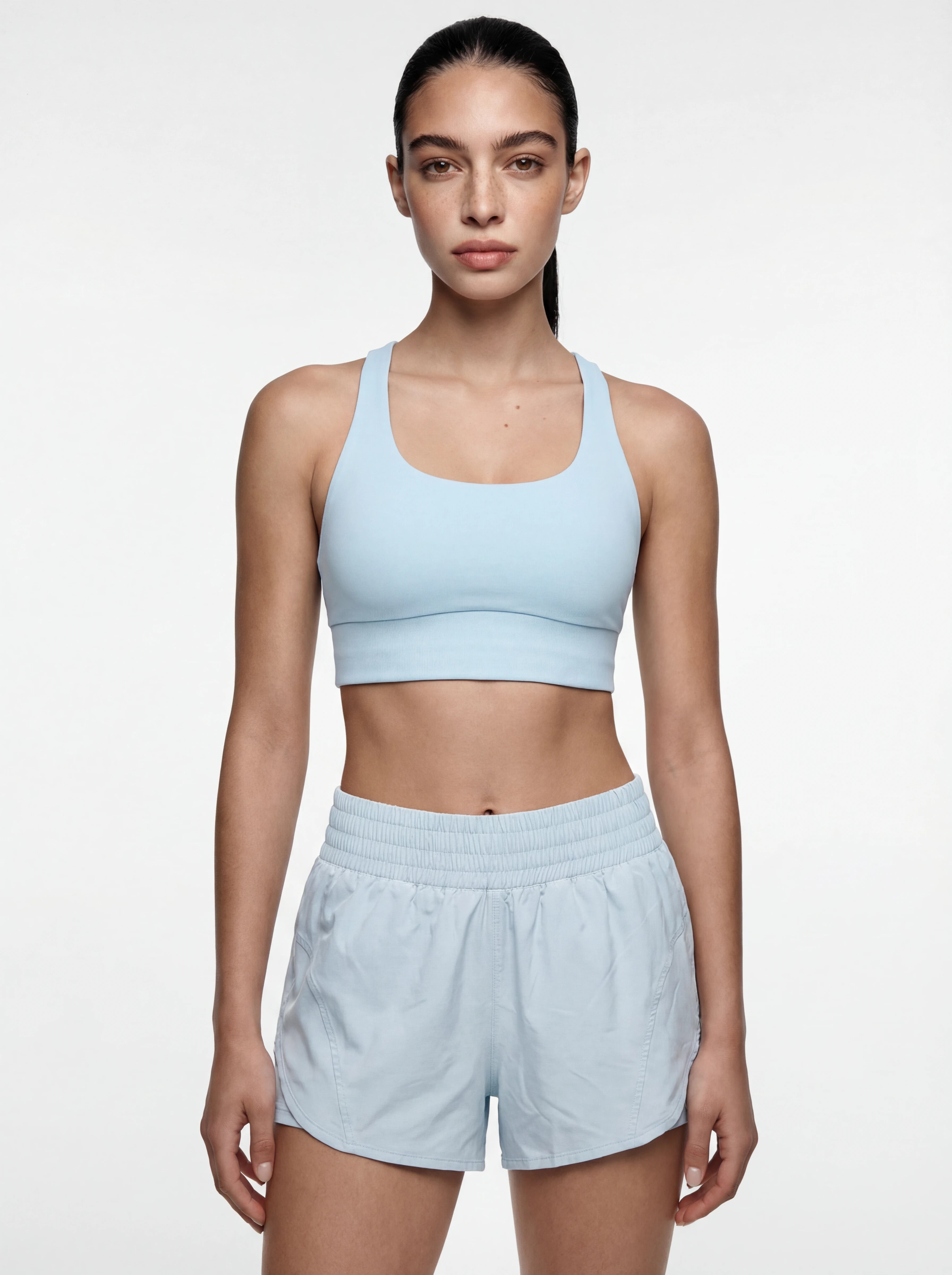
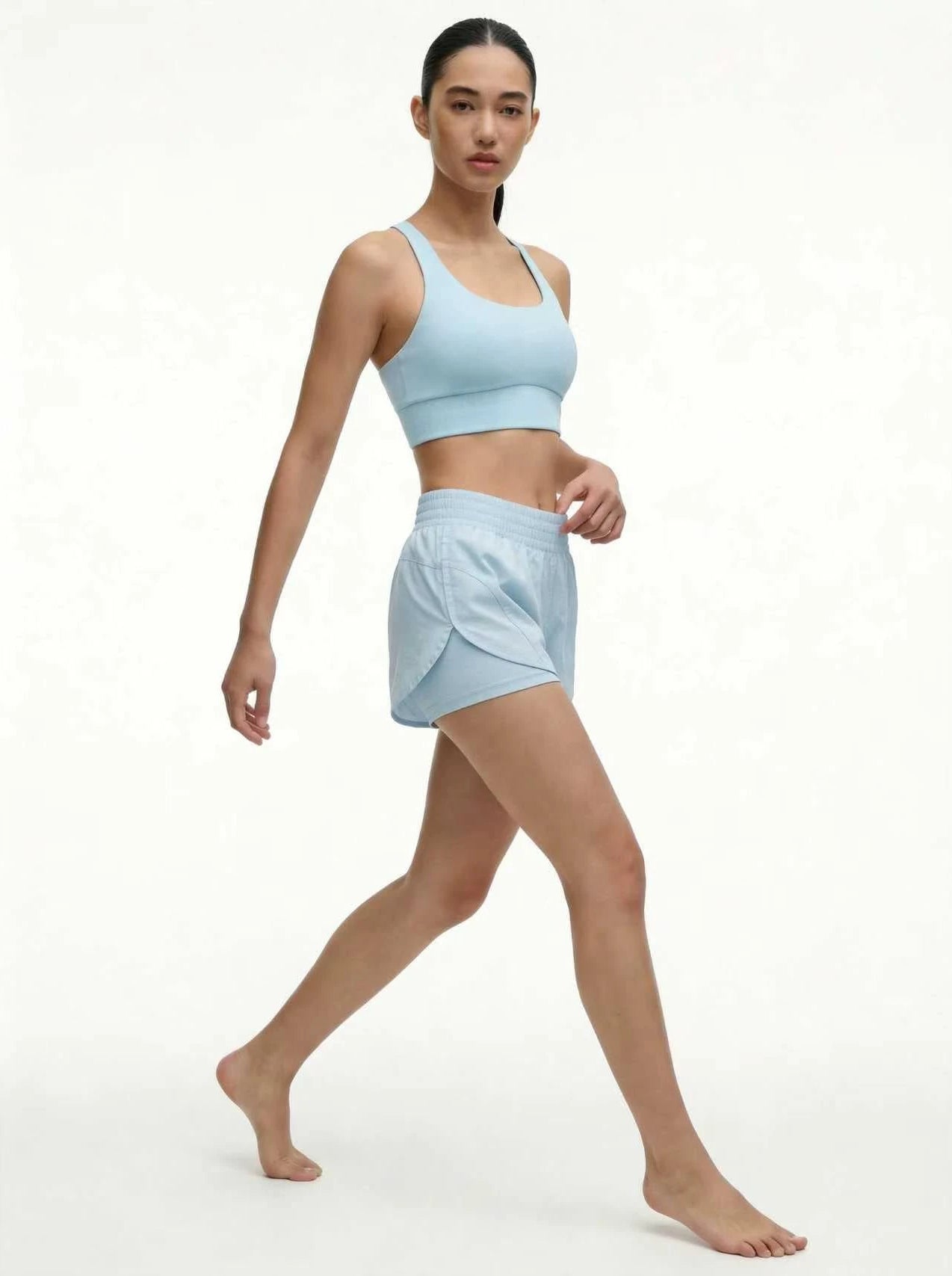
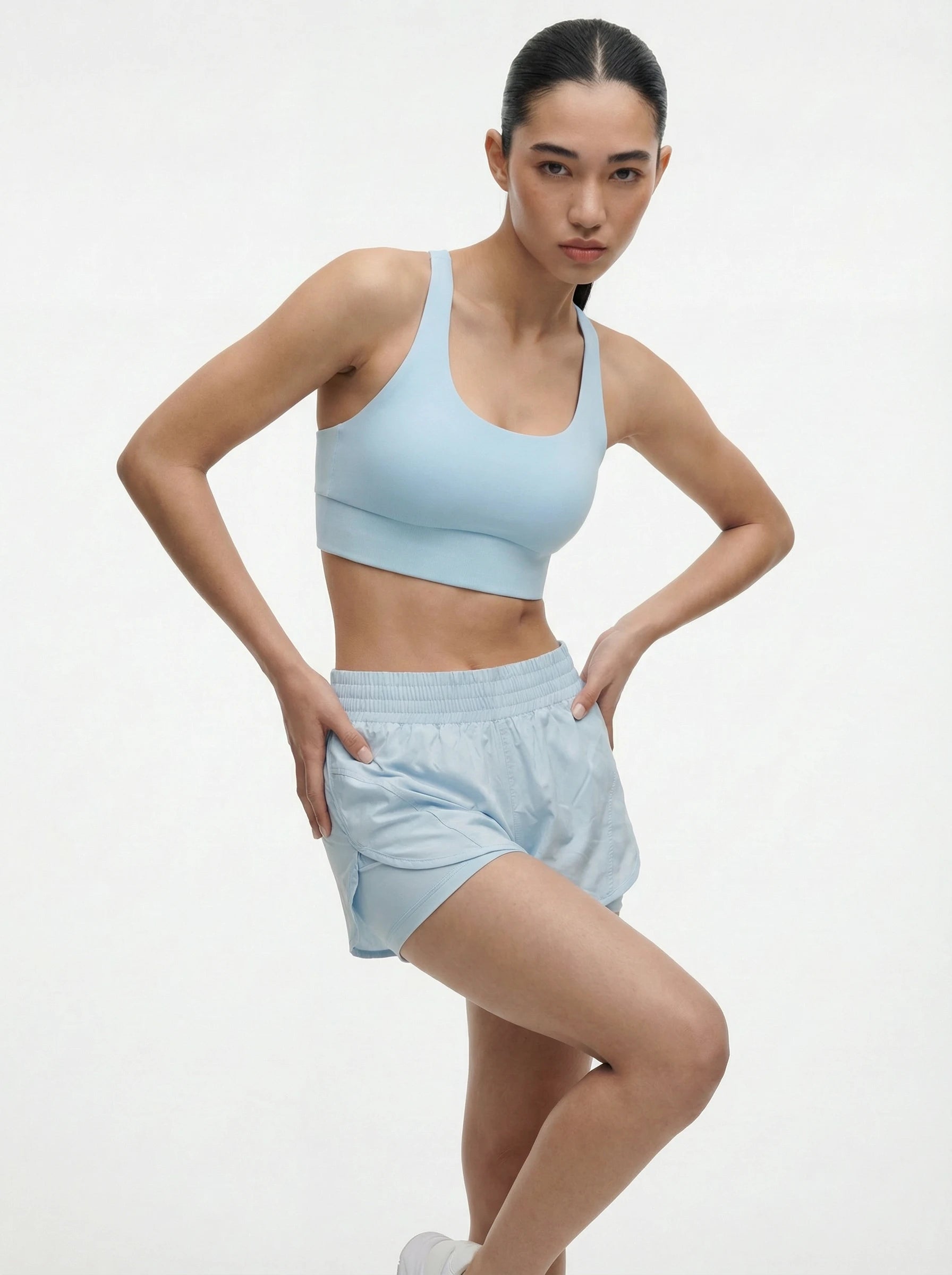
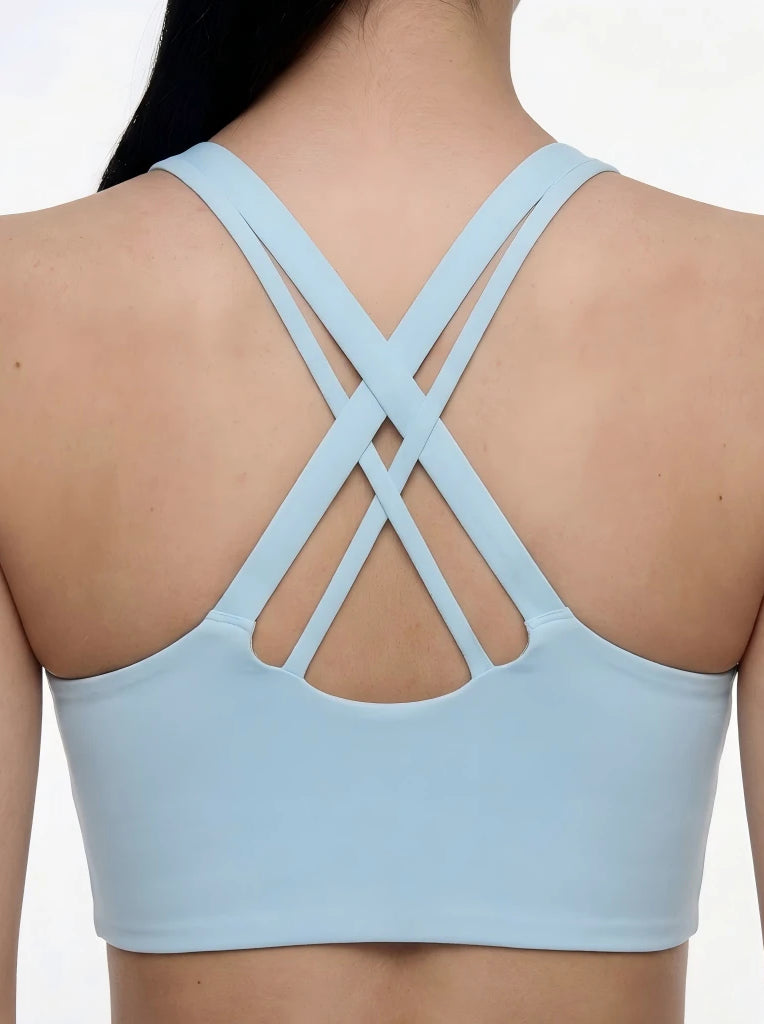
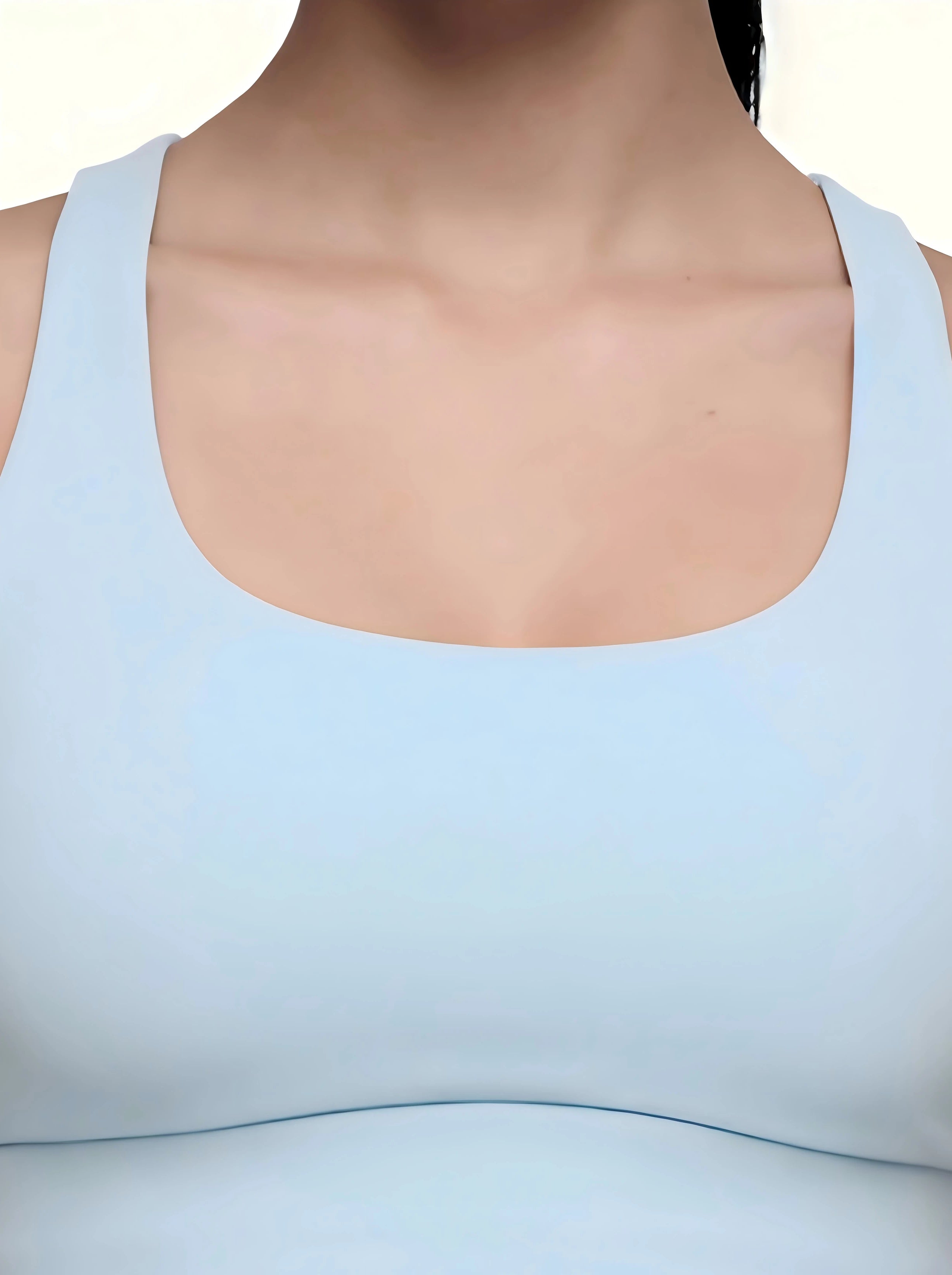
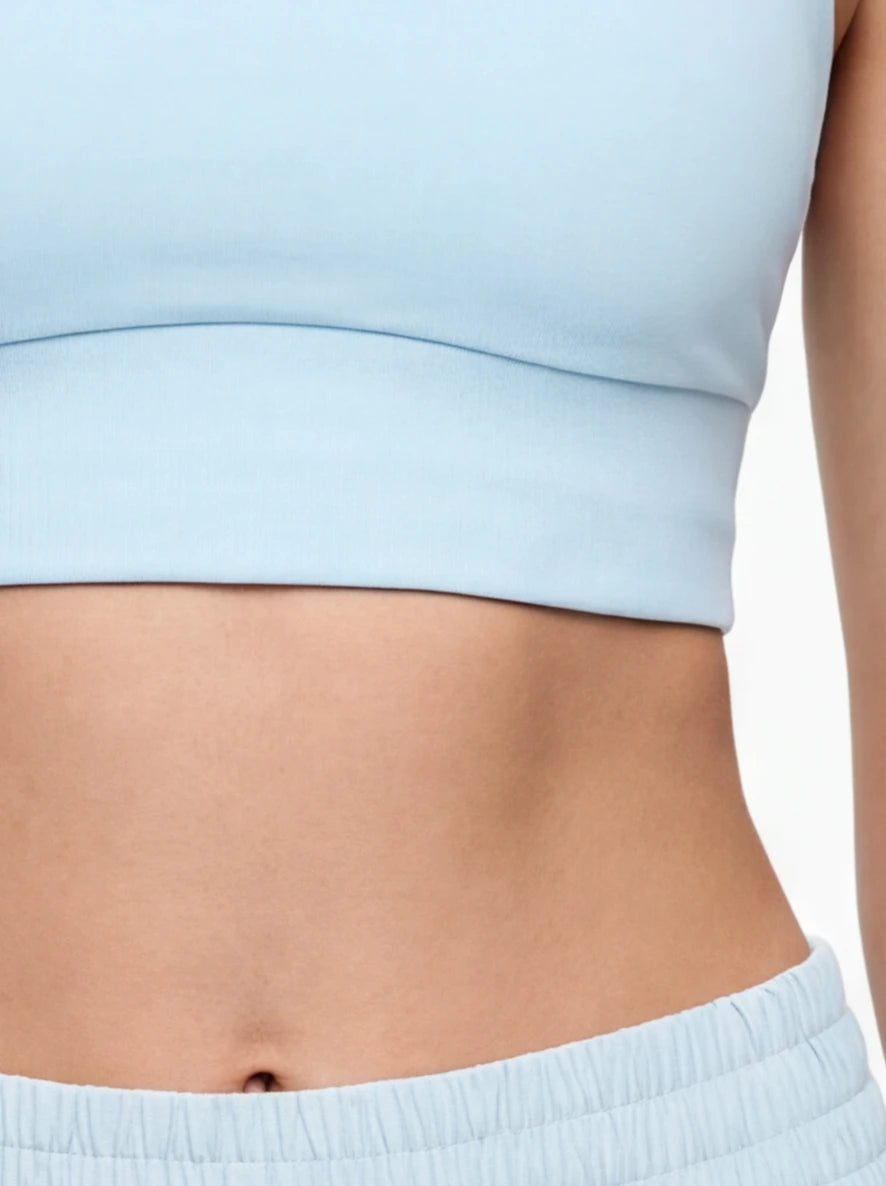
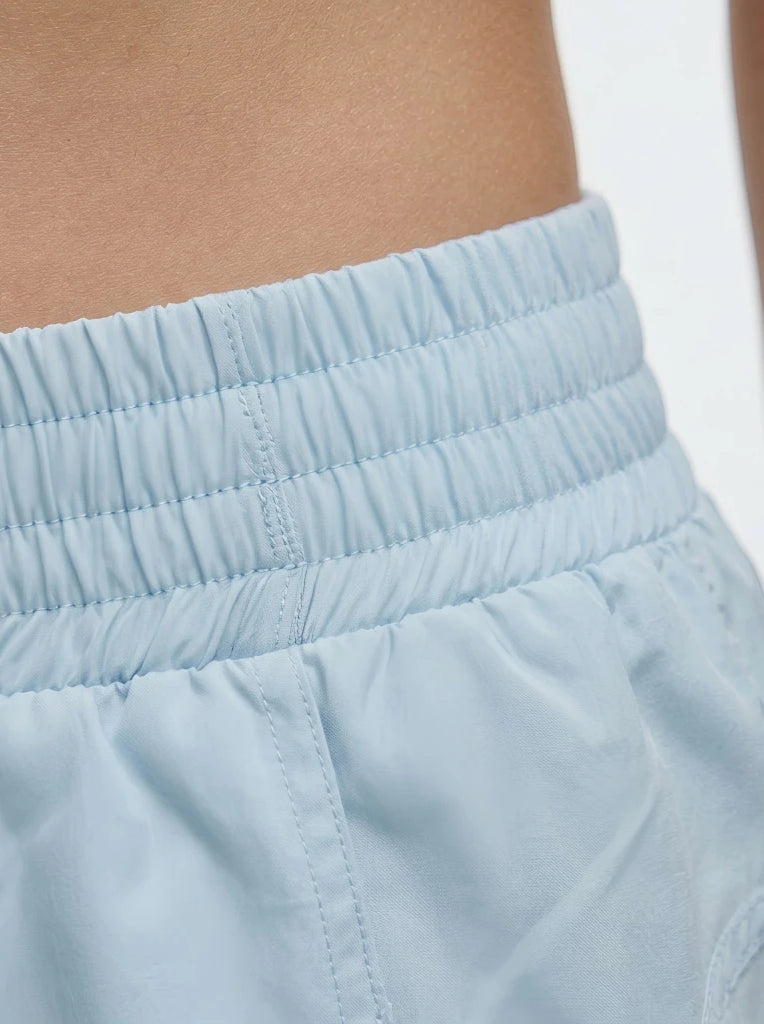
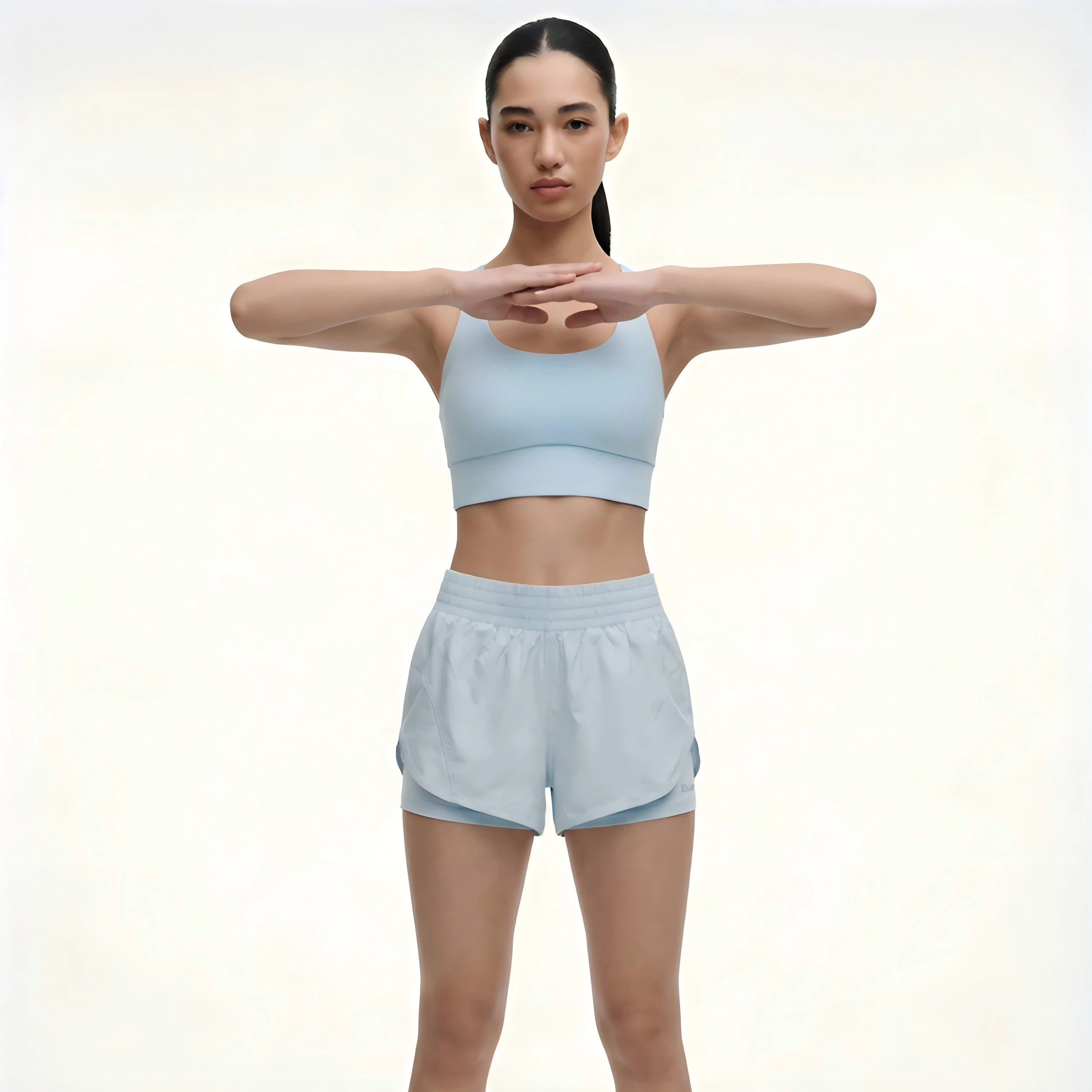
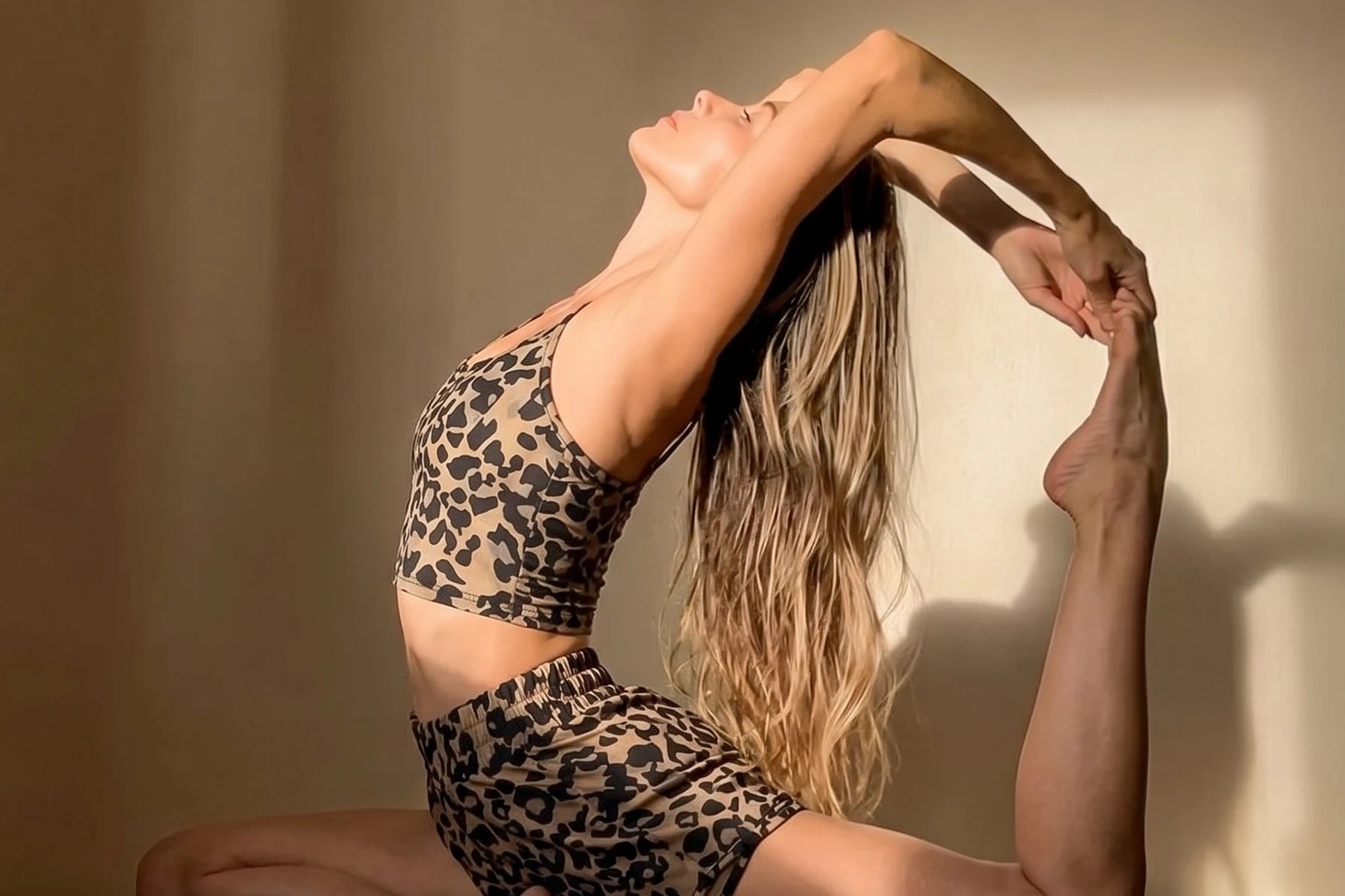
Embracing this philosophy requires a toolkit designed for immersion. The is engineered as that tool. Its design is rooted in biomechanics and textile science: the bralette offers a second-skin fit that moves with the ribcage during pranayama, while the high-rise shorts are crafted to provide core-hugging support without restrictive compression, a balance critical for unrestricted movement. The fabric, a 190GSM blend, is selected for its optimal balance of durability, four-way elasticity, and a softness that minimizes tactile distraction. The leopard print is not merely aesthetic; it serves as an external anchor for a mindset—one of bold, focused presence. It’s a statement that your practice is both an internal journey and a confident expression.
This guide will walk you through the foundation of this approach and a specific 5-pose sequence designed to harness the Sensory-Free advantage, turning your morning ritual into a truly transformative Leopard Sensory Morning Flow.
The Science of Sensation: What is Sensory-Free Yoga?
The Sensory Load Theory in Practice
Modern neuroscience highlights the concept of “sensory load.” The brain has a finite capacity for processing sensory inputs. In a typical yoga session, your mind should be processing the stretch in your hamstrings, the rhythm of your breath, and the balance of your posture. When uncomfortable clothing introduces inputs like chafing, pinching, or dampness, it steals cognitive resources. Sensory-Free Yoga, therefore, is the practice of intentionally curating your tactile environment to minimize negative inputs, thereby freeing neurological bandwidth for the practice itself.
A 2017 study in the Journal of Fashion Technology & Textile Engineeringemphasized that “clothing comfort is a prerequisite for optimum performance in activities involving complex motor skills and mental focus,” such as yoga. The study defined key comfort parameters, including freedom of movement, thermo-physiological comfort (moisture wicking), and tactile comfort (softness, non-irritation)—parameters that directly inform the design of true Sensory-Free apparel.
Leopard Print & Mindset: More Than a Pattern
The choice of leopard print intersects with embodied cognition—the theory that our physical state influences our psychology. Research in embodied cognition suggests that what we wear can affect our performance and attitude, a phenomenon known as “enclothed cognition.” The leopard, an archetype of focused power, agile strength, and graceful efficiency, embodies the ideal yoga mindset. Wearing this symbol can prime the brain to access those qualities.
Thus, the creates a powerful synergy. The print cultivates a mindset of confident strength, while the Sensory-Free construction removes physical barriers to focus. It’s a holistic system: the apparel supports the psychology, and the psychology deepens the physical practice. This fusion of form and function is a signature across the , where technical design meets intentional aesthetics.
Your 5-Pose Leopard Sensory Morning Flow Sequence
Prepare your space. Begin in a comfortable seated position. Close your eyes and take three minutes to simply observe your breath, feeling the support of the mat and the non-restrictive embrace of your Sensory-Free wear. Set an intention for your practice. When ready, move to tabletop position to begin.
To guide your breath and movement timing, follow along with this expertly crafted morning flow sequence. The clear verbal cues will help you synchronize movement and breath, maximizing the mindful benefits of your Sensory-Free practice.
Pose 1: Sensory-Free Cat-Cow (Marjaryasana/Bitilasana) – Spinal Awakening
-
Execution: Inhale as you drop the abdomen, lift the chin and tailbone (Cow), creating a gentle backbend. Exhale as you round the spine upward, drawing the navel to the spine and releasing the head (Cat). Continue for 8-10 breaths.
-
The Sensory-Free Focus: Here, the priority is spinal articulation. Clothing that binds across the back or ribcage restricts the intervertebral movement. In a set designed for Sensory-Free movement, like the Eunfew Leopard Set, the fabric moves in perfect sync with the spine’s flexion and extension. This allows you to perceive the subtle, individual movement of each vertebra, enhancing proprioception (your body’s sense of its position in space) and warming the spine safely and thoroughly.

Pose 2: Sensory-Free Downward-Facing Dog (Adho Mukha Svanasana) – Integration & Expansion
-
Execution: From tabletop, tuck toes, lift hips, and press back. Aim to form an inverted ‘V.’ Hands shoulder-width, feet hip-width. Press thighs back, and if possible, gently pedal the legs to release the calves. Hold for 5-8 breaths.
-
The Sensory-Free Focus: Down Dog is a full-body integration pose. Discomfort here is common: tops that fall forward, waistbands that dig into the abdomen, or shorts that restrict hamstring engagement. Sensory-Free apparel eliminates these issues. The secure, full-coverage fit of the high-waisted shorts and the engineered support of the bralette allow you to focus entirely on the intended sensations: the elongation of the spine, the engagement of the quadriceps, and the grounding through the palms.

Pose 3: Sensory-Free Low Lunge (Anjaneyasana) – Hip Release & Heart Opening
-
Execution: From Down Dog, step the right foot forward between the hands. Lower the left knee. Inhale, sweep arms overhead, keeping the right knee stacked over the ankle. Sink hips forward. Hold for 5 breaths per side.
-
The Sensory-Free Focus: The primary sensation should be a deep stretch in the left hip flexor and quadricep. Compressive or non-elastic fabric at the hip and thigh can create painful pressure points, turning a release into a strain. The four-way stretch fabric of a Sensory-Free set accommodates the deep flexion at the hip joint without resistance. This permits a safer, more effective stretch by allowing the muscle to elongate fully without the fabric acting as a limiting, constrictive force.

Pose 4: Sensory-Free Warrior II (Virabhadrasana II) – Foundational Strength
-
Execution: From a wide stance, turn right foot out 90°, left foot in slightly. Bend right knee to 90°, stacking it over the ankle. Extend arms to a ‘T’, gaze over right hand. Ground through the outer edge of the back foot. Hold for 5-8 breaths per side.
-
The Sensory-Free Focus: Warrior II demands stability, strength, and openness. Fabric that bites into the inner thigh in a wide-legged stance or that restricts rotational freedom in the torso can compromise alignment. The Leopard Sensory-Free set, with its articulated fit, provides freedom across the groin and shoulders. This enables you to achieve the external rotation of the front hip and the expansive reach of the arms with greater ease, letting you build strength in the legs without battling your clothing.

Pose 5: Sensory-Free Child’s Pose (Balasana) – Integration & Surrender
-
Execution: From kneeling, sit back on heels, separate knees wide, and fold torso forward between them. Extend arms forward or rest them alongside the body. Rest forehead on mat. Surrender for 10-15 breaths.
-
The Sensory-Free Focus: The ultimate test of comfort. In this pose of rest and integration, any discomfort becomes glaringly apparent. A waistband that digs into the thighs or abdomen, or a top that constricts breathing, prevents true surrender. The Sensory-Free design, with its soft, non-irritating interior and accommodating fit, allows for complete physical and mental release. This is where the benefits of the practice are integrated into the nervous system, a process best supported by total physical comfort.

Building a Sensory-Free Lifestyle: Beyond the Mat
The Technical Hallmarks of Sensory-Free Apparel
Choosing Sensory-Free apparel is a deliberate choice for a deeper practice. The following technical specifications, exemplified by the Eunfew Flow set, are not marketing terms but measurable benchmarks for performance:
|
Technical Feature |
Sensory-Free Benefit & Empirical Basis |
Manifestation in Eunfew Flow Leopard Set |
|---|---|---|
|
Four-Way Stretch Fabric |
Allows multi-directional movement without restriction or fabric "memory" that can cause bagging. Critical for dynamic flows. |
95% Nylon, 5% Spandex blend provides >40% elasticity in all directions (based on industry standard fabric stretch tests). |
|
Minimal-Seam & Flat-Lock Stitching |
Reduces points of friction (chafing) against the skin, a common cause of distraction and irritation during repetitive motion. |
Strategic seam placement and flat-lock stitching minimize skin contact points in high-mobility areas. |
|
Moisture-Wicking & Breathable |
Manages microclimate; draws sweat away from skin to evaporate, maintaining thermal comfort and preventing cling. |
Nylon-blend construction facilitates capillary action for moisture transport, a key factor in thermo-physiological comfort. |
|
Targeted Compression & Support |
Provides muscle support and security without circulatory restriction or impedance of diaphragmatic breathing. |
Bralette uses engineered panels for support; shorts use graduated compression for a "hugged" not "squeezed" feel. |
|
Abrasion Resistance & Durability |
Maintains integrity, softness, and color through repeated wear and washing, ensuring the Sensory-Free experience lasts. |
190GSM fabric weight and high-twist yarns are industry indicators of enhanced durability and pilling resistance. |
Carrying the Sensory-Free Principle Into Daily Life
The Sensory-Free principle is a transferable skill. The heightened bodily awareness you cultivate on the mat—your ability to notice tension in your shoulders or a pattern of shallow breathing—can be applied off the mat. When stressed, you can now identify the physical symptoms earlier and use breathwork to alleviate them. The confidence built in your practice becomes social and professional poise. This is the ultimate goal: to use the focused, uncluttered awareness honed in your Leopard Sensory Morning Flow to navigate your day with greater intention and resilience.

The Sum of the Practice
Your yoga practice is an ecosystem. The mat, the intention, the breath, the movement, and what you wear are all interconnected elements. A Sensory-Free kit like the Eunfew Flow Leopard Set is not a luxury; it is a functional component that optimizes the entire system. By removing the variable of physical distraction, it allows for a purer expression of the practice, deeper access to mindfulness, and a more authentic connection to the power and grace the leopard symbolizes.
This is an investment in the quality of your practice and, by extension, the quality of your day. It is choosing to meet your morning ritual with the tools designed to honor its purpose fully.
FAQ: Sensory-Free Yoga & Apparel
Q1: Is "Sensory-Free" just another term for "comfortable" activewear?
A1: No, it's a more specific and performance-oriented standard. While comfort is subjective, "Sensory-Free" is defined by objective design goals aimed at minimizing distraction. It focuses on eliminating specific negative sensory inputs (seam chafing, restrictive bands, poor moisture management, fabric noise/scratchiness) that are known to detract from cognitive focus during activities requiring mind-body connection. Comfort is a benefit; being distraction-free is a functional design target.
Q2: How does the fabric composition (95% Nylon, 5% Spandex) specifically contribute to a Sensory-Free experience?
A2: This specific blend is industry-standard for high-performance athletic wear due to its engineered properties, which directly enable the Sensory-Free experience:
-
Nylon (95%): Provides exceptional strength, durability, and a characteristically soft, smooth hand-feel that reduces skin friction. It is also highly effective at wicking moisture away from the skin, keeping you dry.
-
Spandex (5%): Provides the essential four-way (multi-directional) stretch and recovery. This ensures the fabric moves with your body and returns to its original shape, preventing the bagging or riding up that causes constant adjustment.
The 190GSM weight indicates a substantial, opaque fabric that offers coverage and withstands rigorous use, contributing to long-term comfort and trust in the garment.
Q3: My practice varies from gentle Yin to powerful Vinyasa. Can one Sensory-Free set handle different yoga styles?
A3: Yes, a well-designed Sensory-Free set is versatile by intention. The core requirements—unrestricted movement, moisture management, and non-irritating construction—are universal. For a gentle Yin practice, the soft, non-binding fabric allows for complete relaxation in long-held poses. For a dynamic Vinyasa or Power Yoga flow, the secure fit and four-way stretch provide the necessary support and freedom for jumping, twisting, and deep stretching. The is designed as a foundational piece for this full spectrum of practice.