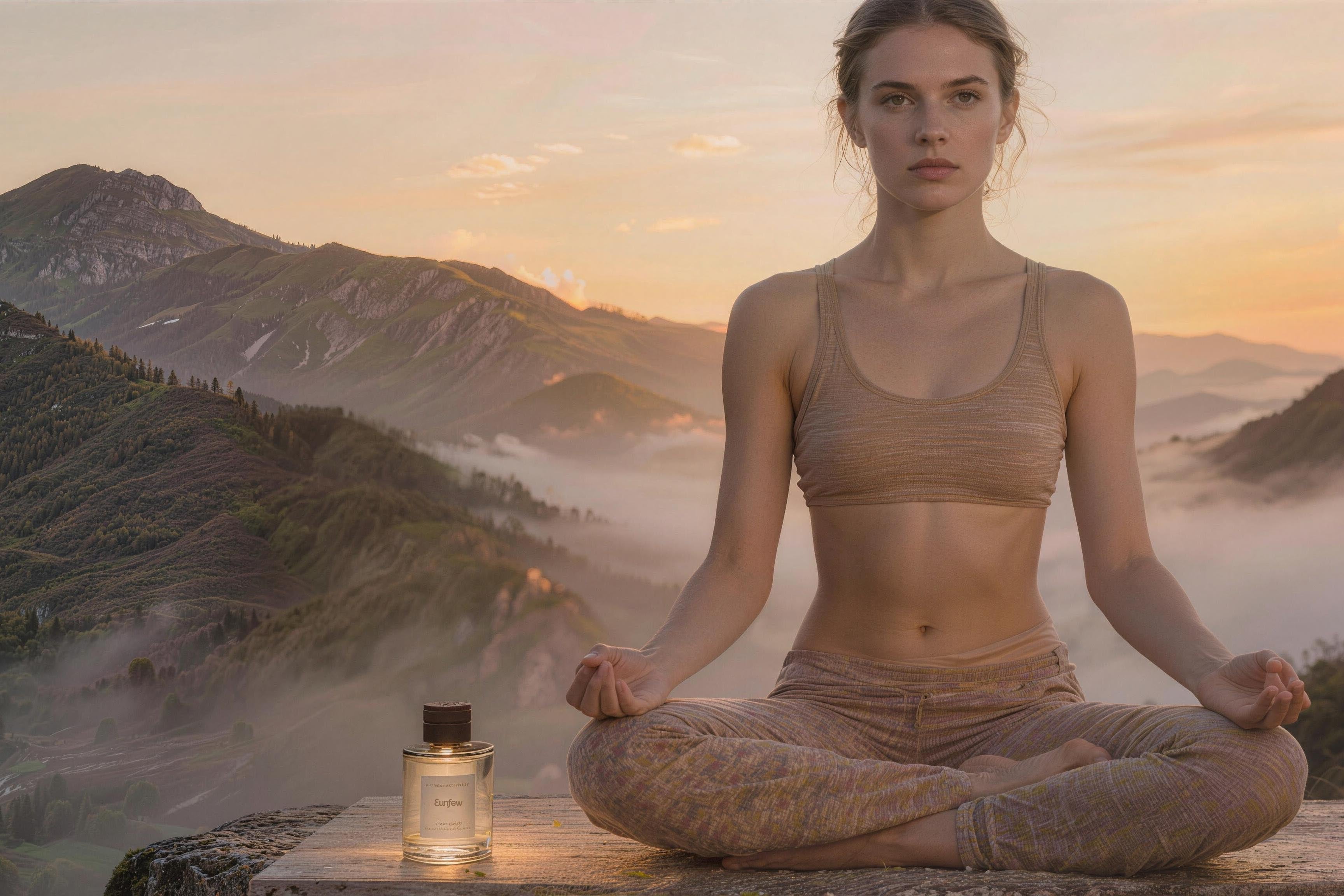


Introduction: The Modern Yogi's Paradox
You unroll your mat, seeking a sanctuary for movement and breath. Your intention is clear: to find focus, flow, and a moment of inner quiet. Yet, an unexpected adversary often appears—your own clothing. A persistent seam, a slightly restrictive waistband, or a fabric texture that demands attention can pull you out of your mindful state before it even begins.
This common struggle highlights a gap in modern yoga apparel: the divide between looking the part and feeling utterly uninhibited within it. The solution lies not in simpler clothes, but in smarter design. It's found in the concept of Sensory-Free Yoga, where apparel is crafted to minimize distraction, allowing for deeper immersion. This approach is exemplified by the thoughtfully designed , a piece that proves bold style and profound comfort can coexist.
This guide will explore the "why" and "how" of sensory-free design. We'll look at the principles that make clothing recede from your awareness, how specific fabrics and constructions achieve this, and why choosing such pieces can be a transformative act for your practice, whether you identify as neurodivergent or simply seek a more centered experience.

What is Sensory-Free Yoga? Beyond Sensory-Friendly
Defining the "Sensory-Free" Philosophy in Movement
While "sensory-friendly" often means adapting an existing environment, "sensory-free" starts with a blank slate. The goal is to design out potential irritants from the very beginning. In yoga wear, this means every stitch, seam, and fabric choice is considered for its potential sensory impact. The aim is to create a "second skin" experience that supports the yogic principle of pratyahara, or sense withdrawal, by removing the distraction of the garment itself.
The Science of Distraction: How Clothing Can Hinder Focus
Our nervous system is constantly processing sensory input. Research in occupational therapy and neurology indicates that for individuals with sensory processing sensitivities—and even for many without—unexpected tactile stimuli (like a scratchy tag) can trigger a micro-stress response, diverting cognitive resources away from focus. Clothing that is physically "loud" forces the brain to process unnecessary information, making it harder to achieve the calm, single-pointed attention (dharana) that yoga cultivates.
Sensory-Free vs. Traditional Activewear: A Shift in Priority
Conventional activewear typically prioritizes performance features like compression, maximum sweat-wicking, and muscle support. Sensory-free apparel introduces a new priority: perceptual neutrality. It’s not about what the clothing doesto you, but what it doesn't do—it doesn't pinch, itch, bind, or announce its presence, allowing you to be fully present in your body and breath.

The Anatomy of True Sensory-Free Yoga Wear
Fabric as the Foundation: The 190GSM Nylon-Spandex Blend
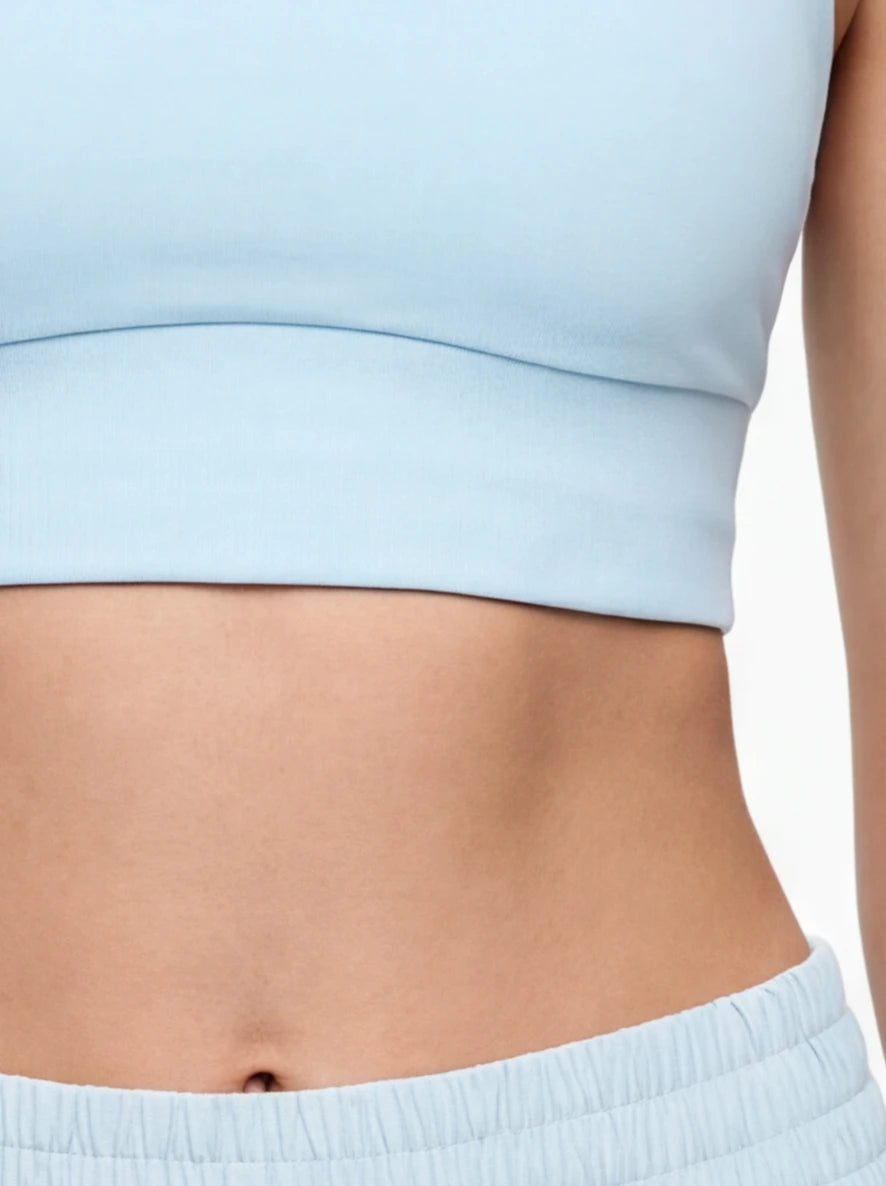
The journey to sensory-free comfort begins with what touches your skin. The Eunfew Flow Set utilizes a specific 95% Nylon, 5% Spandex fabric with a weight of 190GSM (grams per square meter). This specification is a deliberate choice for balance:
-
190GSM Weight: This creates a fabric that is substantial enough to feel secure and opaque, yet lightweight enough to avoid feeling heavy or restrictive. It provides coverage without bulk.
-
Nylon (95%): Known for its smooth, soft hand-feel and durability, nylon offers a consistent surface that reduces skin friction. It also manages moisture effectively.
-
Spandex (5%): This provides the essential four-way stretch, allowing the fabric to move in every direction with your body, not against it.
This combination results in a material designed for a feeling of easy, unrestricted movement—a cornerstone of the sensory-free experience. The focus on tactile comfort is central to the , which emphasizes harmony between body and garment.
Seamless Comfort: Engineering for Uninterrupted Movement
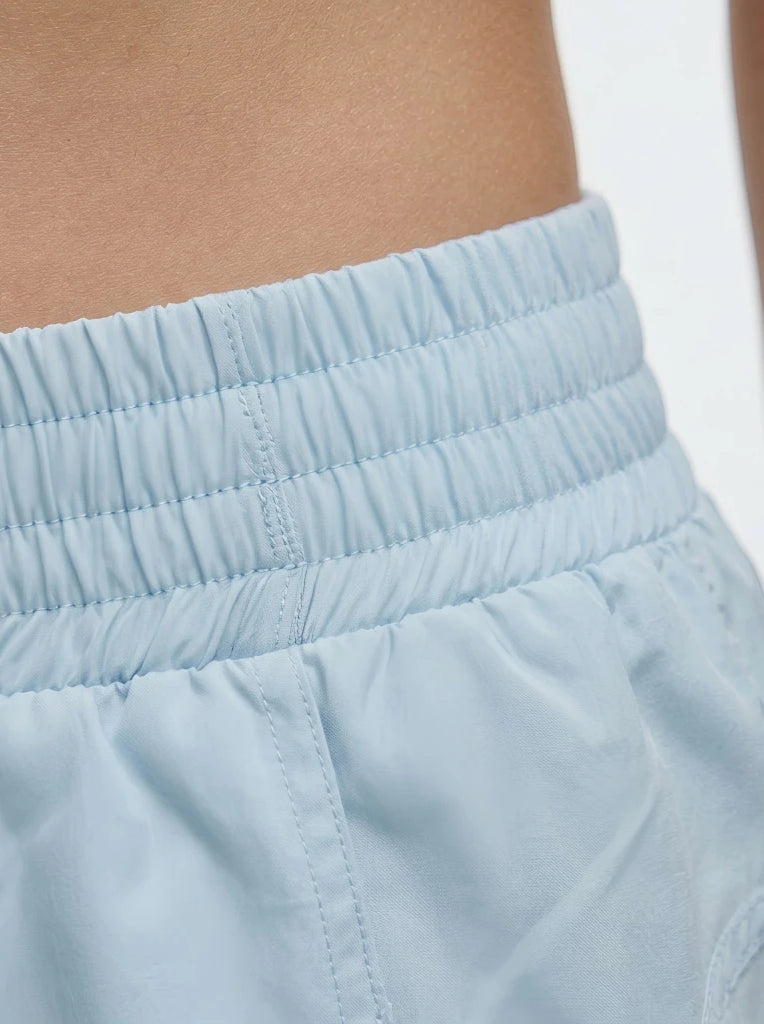
Seams are necessary for structure but are common points of irritation. Sensory-free design addresses this through techniques like flat-lock stitching, which lies flat against the skin, or bonded seams that eliminate traditional stitching altogether. The removal of physical tags (using printed labels instead) is another critical detail. These elements work together to remove potential "hot spots" for chafing or itch, allowing you to hold a pose for minutes without a single distraction from your clothing.
Silhouette and Fit: The "Fitted Top, Relaxed Bottom" Blueprint
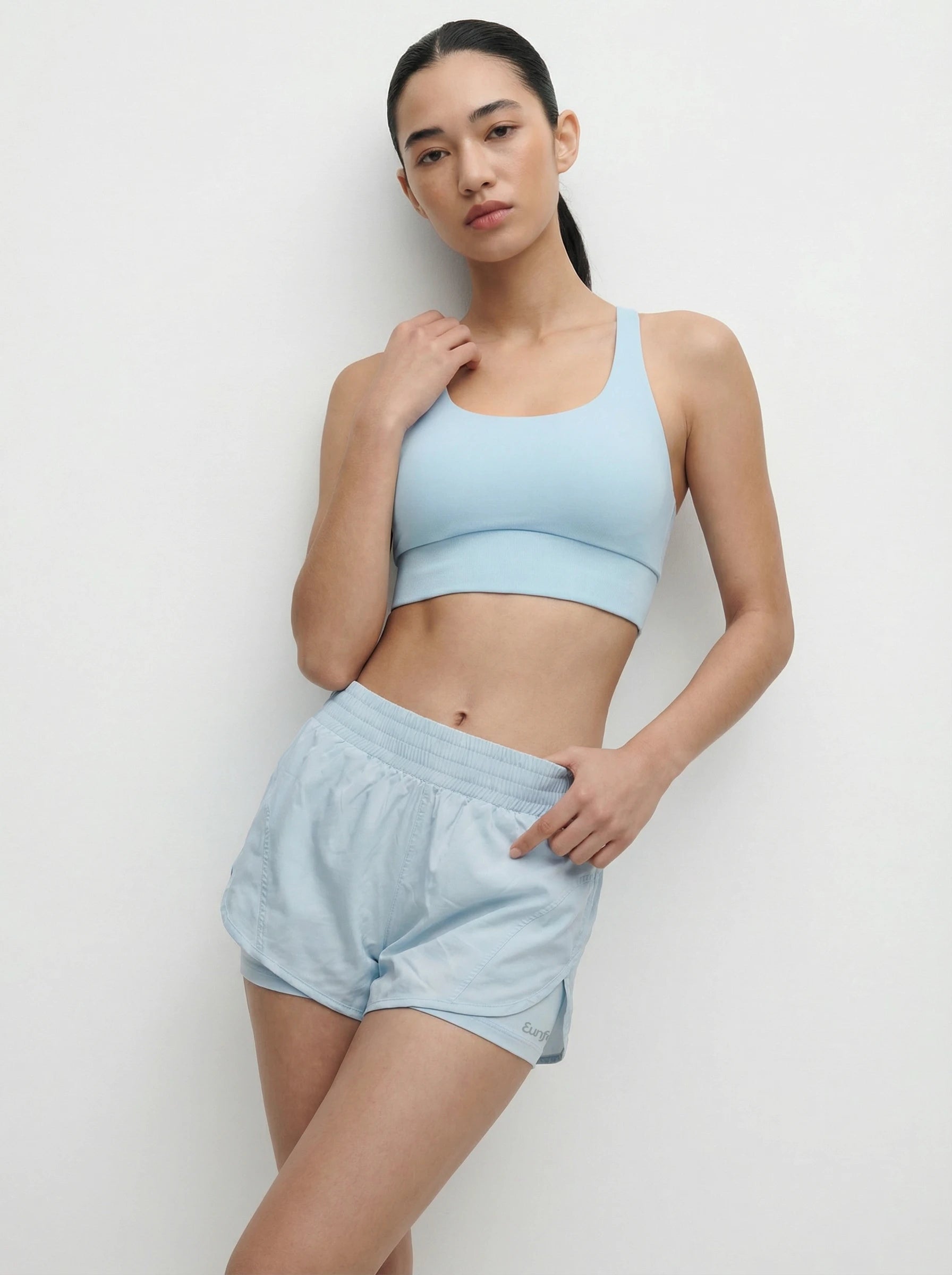
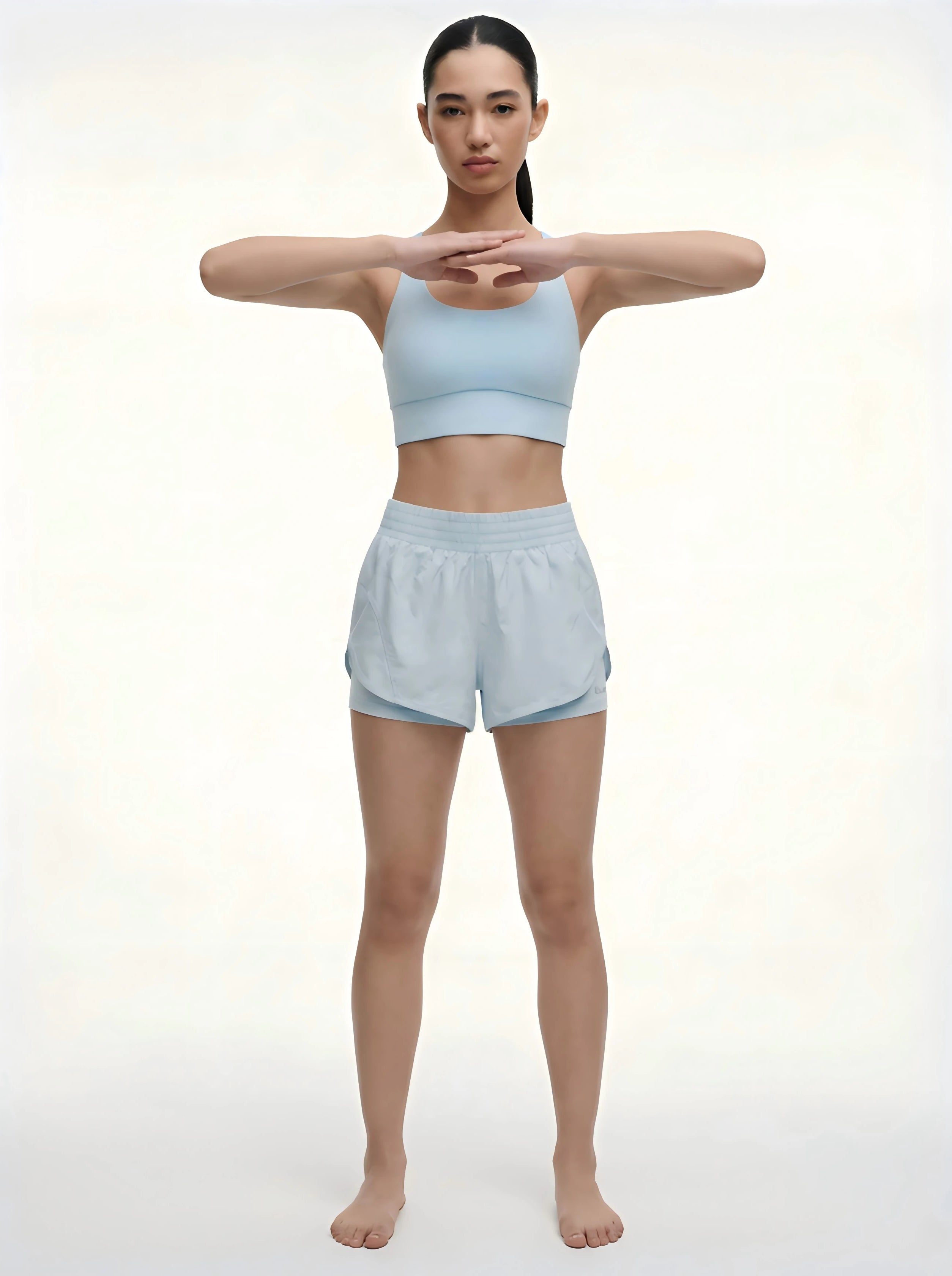
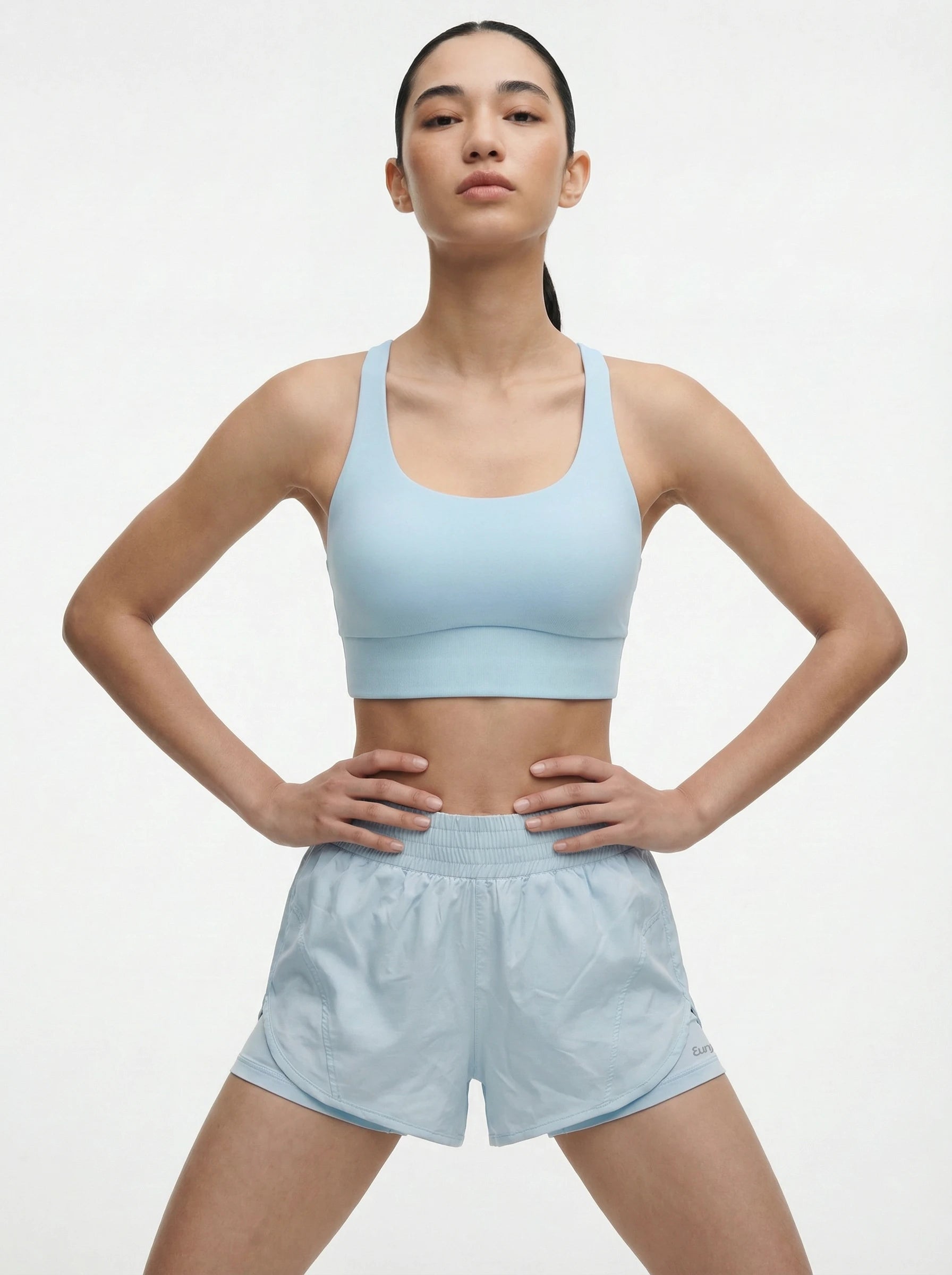
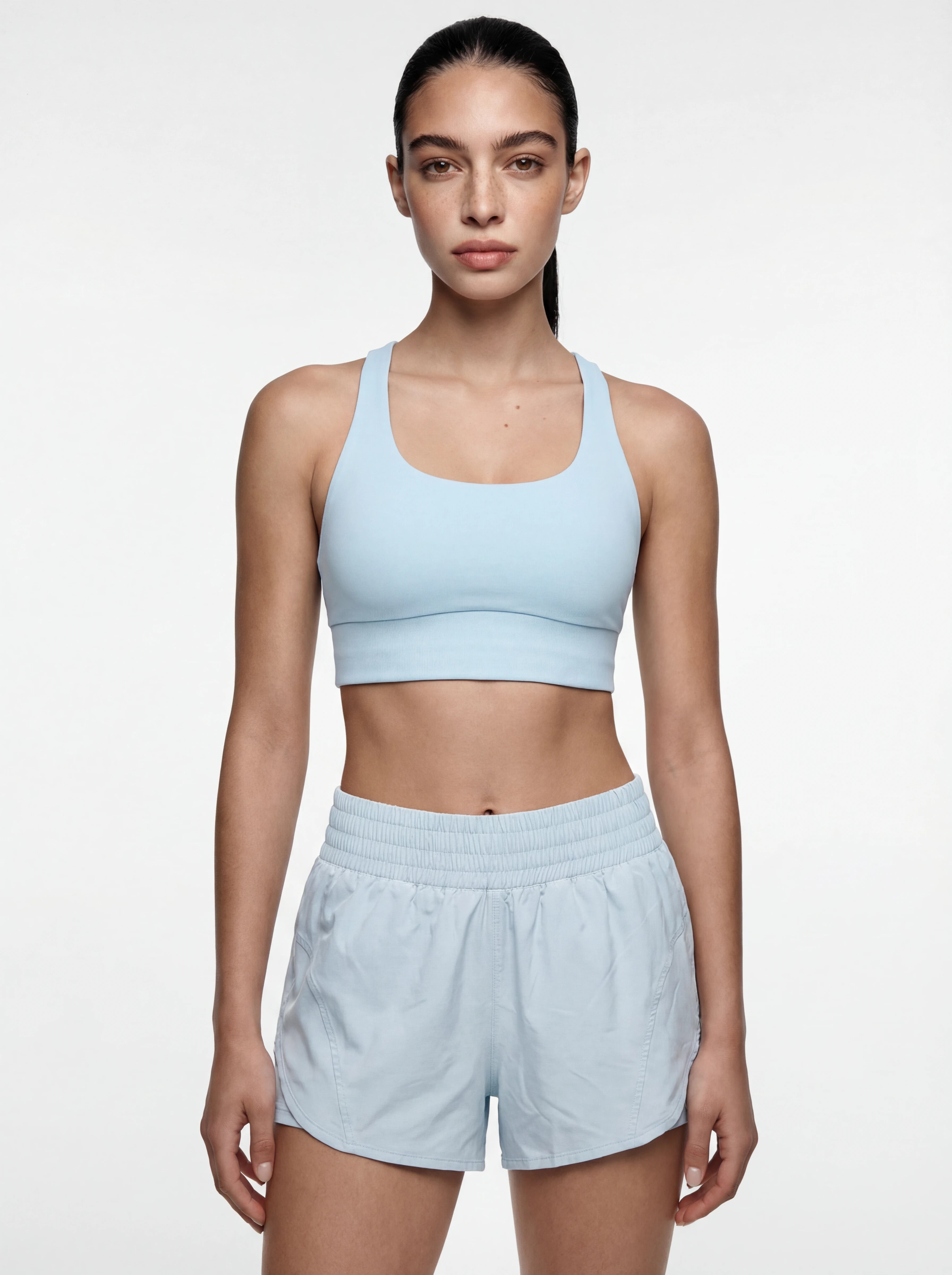
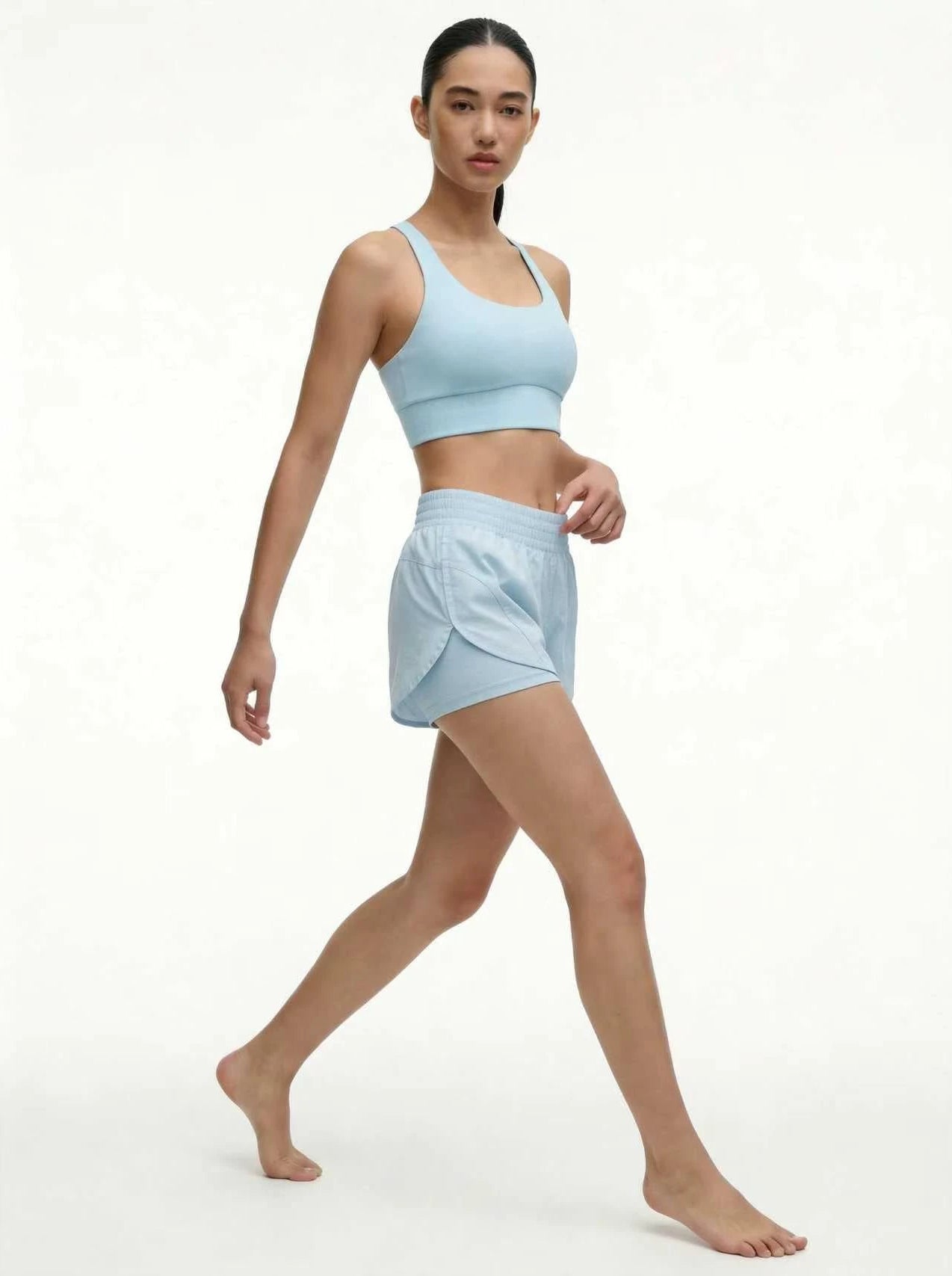
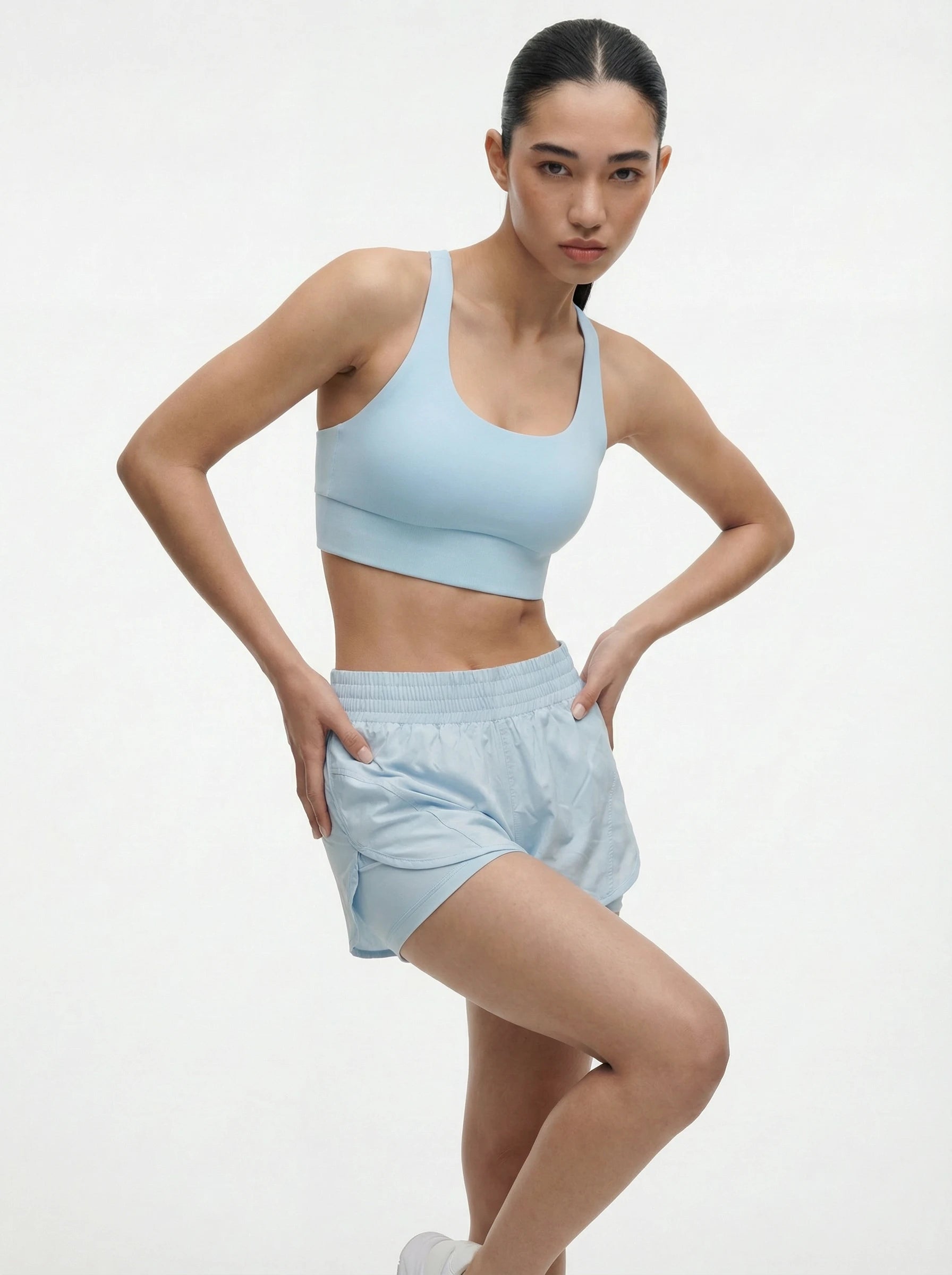
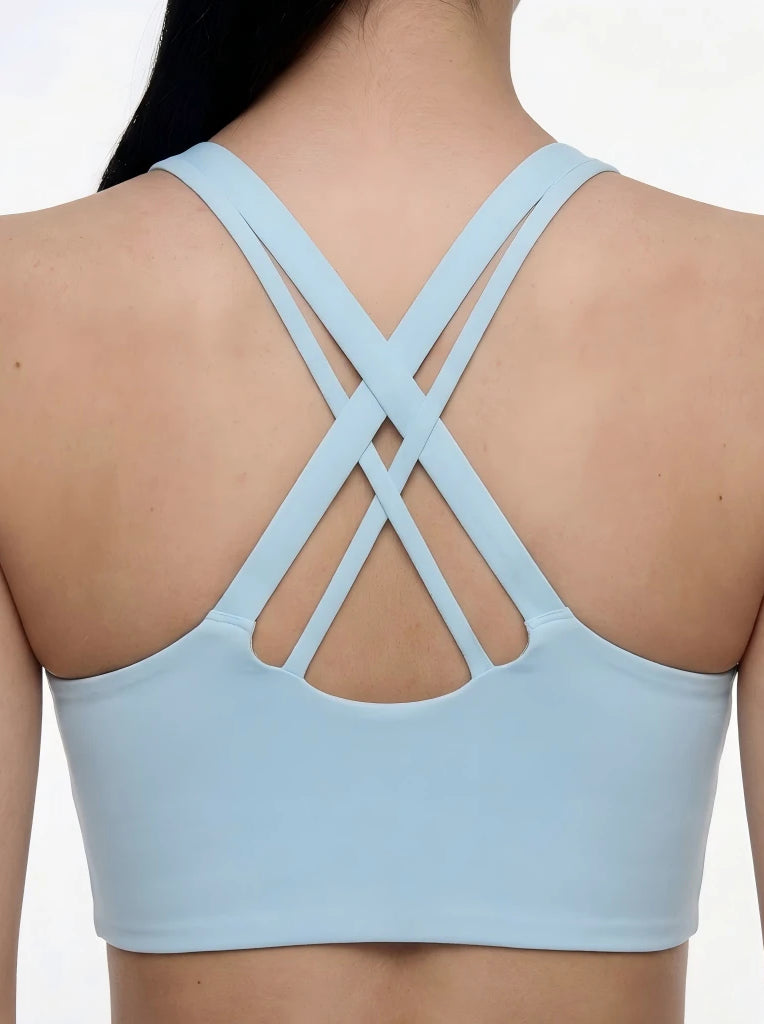
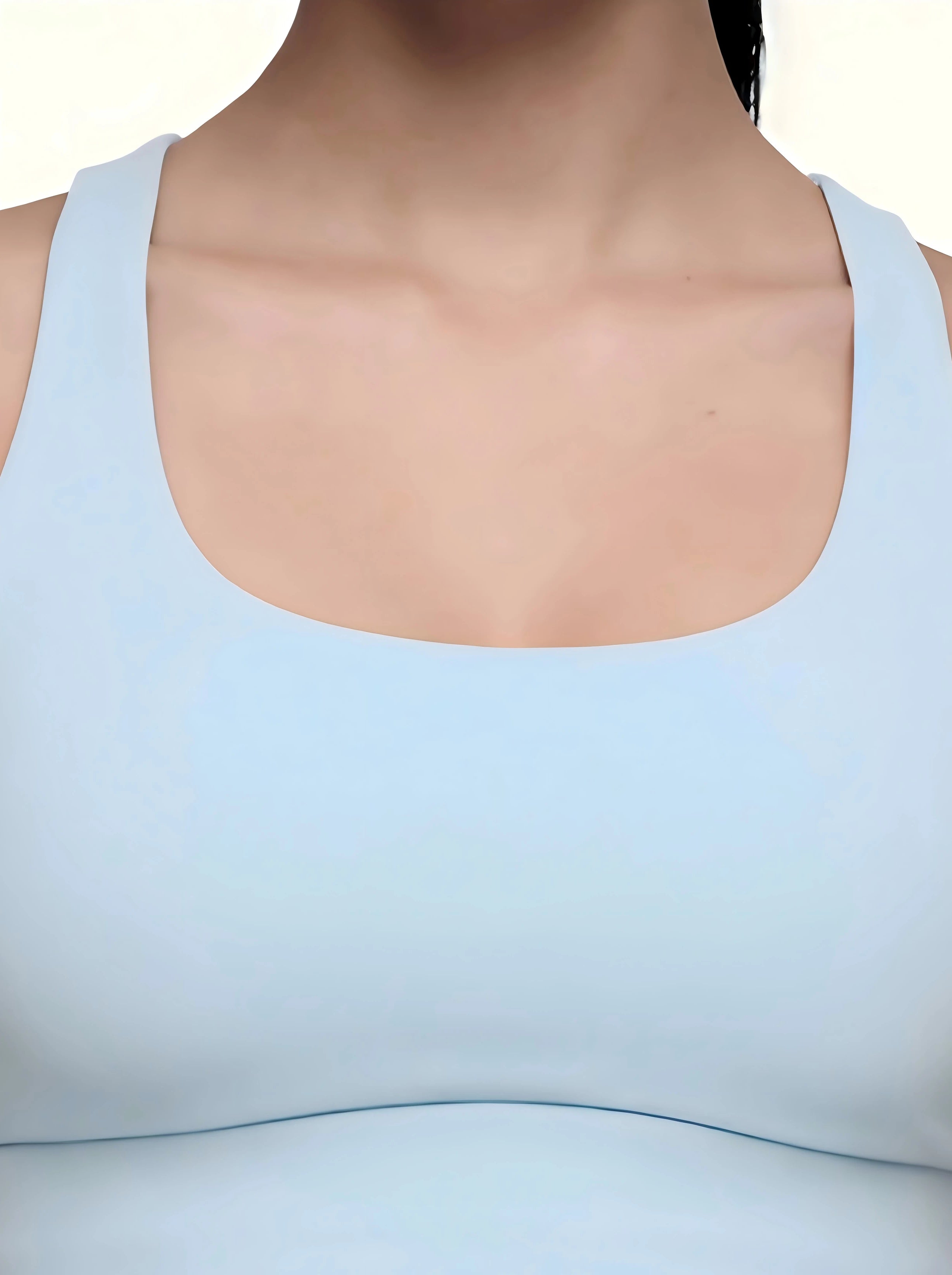
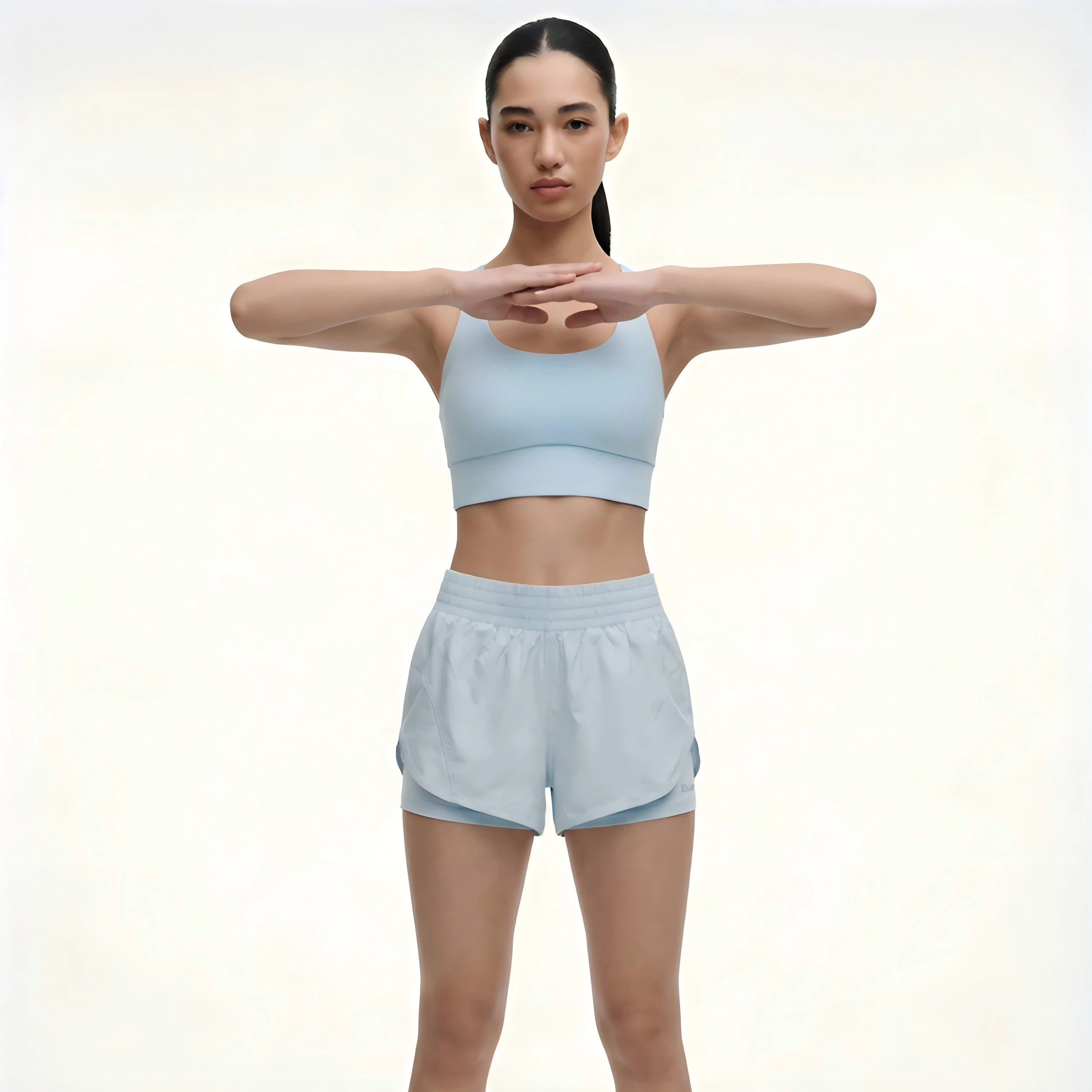
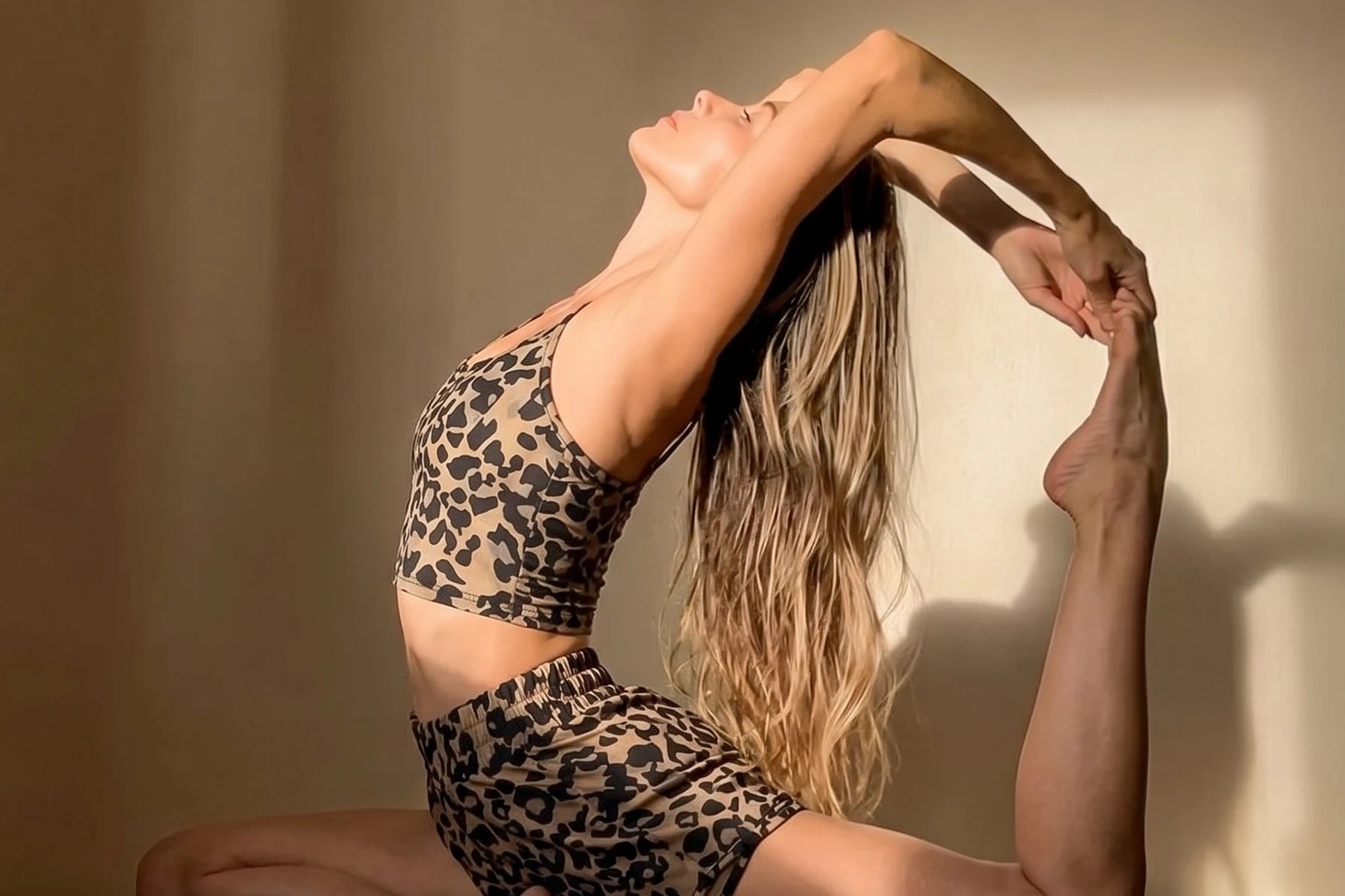
A thoughtful silhouette is key. The Eunfew Flow Set features a supportive, close-fitting bralette that provides security without restrictive compression. This is paired with high-waisted shorts that offer a gentle, comfortable hold. This "fitted top, relaxed bottom" design respects the body's form—providing light core awareness from the top while ensuring complete freedom for hip and leg movement from the bottom, essential for lunges, folds, and seated postures.
Pattern with Purpose: Bold Yet Balanced Design
Sensory-free design also considers visual perception. A chaotic, high-contrast pattern can be visually stimulating in a way that some may find distracting. The leopard print on the Flow Set is executed as a cohesive, all-over pattern. This creates a unified visual effect rather than a jarring, fragmented one. The pattern makes a statement without creating visual "noise" that competes for your focus, aligning with the principle of intentional, non-distracting design.

Leopard Print Reimagined: Your Bold Path to Inner Quiet
The Symbolism of Leopard in Movement
Leopard print carries cultural and personal symbolism—often associated with confidence, instinct, and a connection to one's innate strength. In a yoga or mindfulness practice, integrating such a pattern can be an act of embracing your whole self: the powerful, dynamic, and "wild" aspects alongside the quiet and meditative. It challenges the idea that inner peace requires external plainness, suggesting instead that calm can be powerful and self-assured.
Making "Sensory-Free Leopard" Work: The Eunfew Flow Set
How does a bold animal print align with a sensory-free goal? The success lies in execution. The Eunfew Flow Leopard Set uses printing methods that integrate the pattern into the fabric's surface without creating a different texture or a stiff, plasticky feel—the hand remains uniformly soft. Visually, the scale and tonal variation of the print are designed to flow with the body's contours, creating a harmonious look that feels empowering rather than overwhelming. It allows for self-expression while the garment's physical design ensures comfort remains paramount.
Beyond the Mat: Integrating Sensory-Free Style
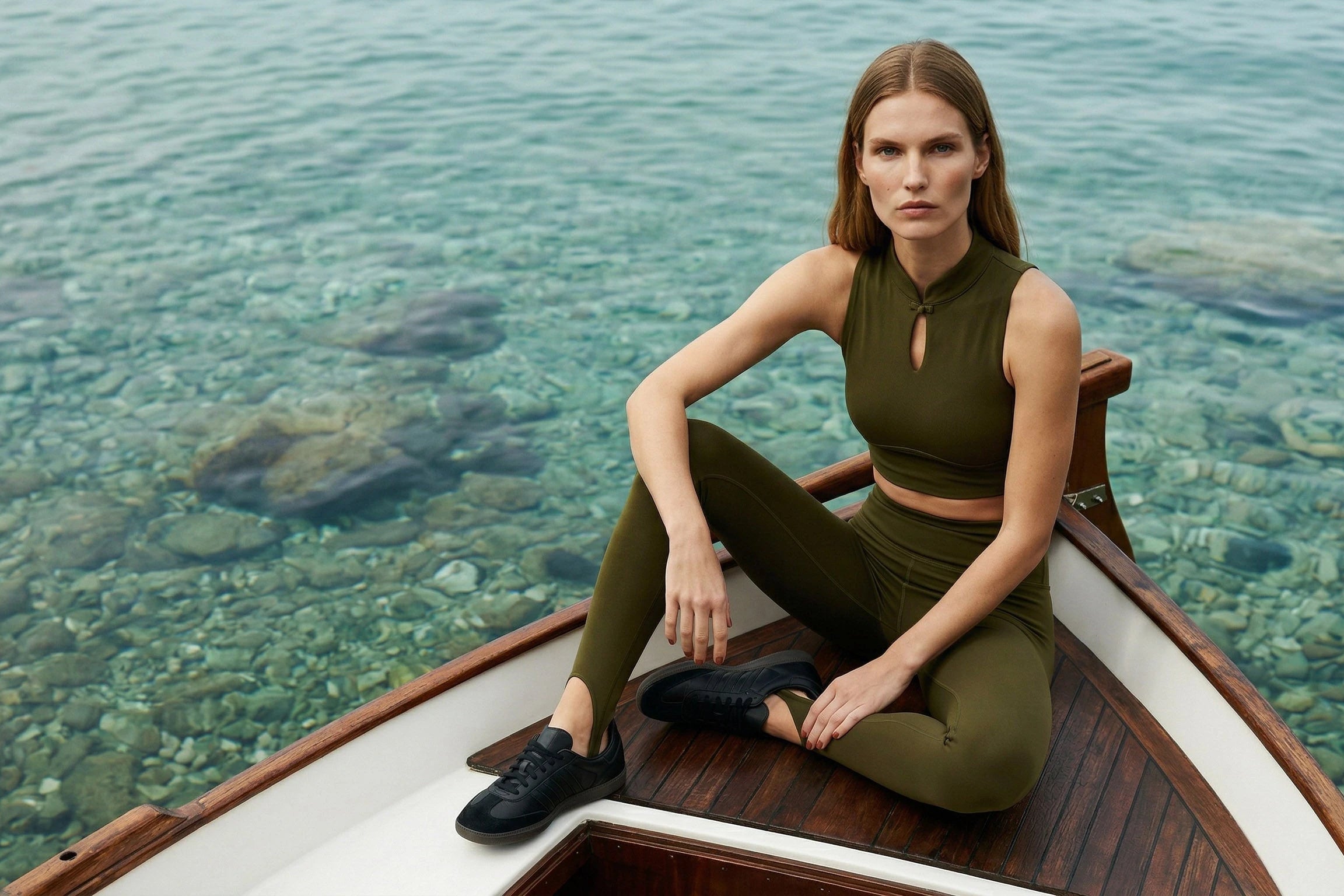
The versatility of sensory-free pieces like the Flow Set extends their value. The design allows it to transition seamlessly from a yoga session to casual daily wear. Layer it under a jacket or pair it with a high-waisted skirt, and the set becomes part of a broader wardrobe philosophy that values comfort and intention in all activities. For those seeking different aesthetics within the same comfort-focused design principles, Eunfew offers other collections built on similar values of mindful movement and wearability.

Curating Your Sensory-Free Yoga Practice
Your Sensory-Free Gear Checklist
When selecting yoga wear with a sensory-free focus, consider this checklist:
-
Fabric Feel: Is it described as exceptionally soft, smooth, or comfortable against skin? Descriptions mentioning specific, high-quality blends (like the 95% Nylon/5% Spandex in the Flow Set) are a good sign.
-
Seam and Tag Construction: Are seams flat or seamless? Is the garment tagless or does it have a soft, printed label?
-
Fit and Movement: Does it allow for a full range of motion without pinching, rolling, or constant readjustment? The "gentle hug" fit of the is a benchmark.
-
Visual Cohesion: Does the pattern or color feel harmonious and intentional to you, rather than busy or distracting?
Integrating the Mindset: From Clothing to Consciousness
Wearing sensory-free clothing is the first step; the next is integrating the mindset. Begin your practice by taking a moment to consciously notice the absence of distraction from your clothes. Let that physical quiet become a gateway to mental quiet. As you move, let your awareness settle on the sensations of your breath and muscles, not on your attire. The clothing becomes a tool that facilitates deeper focus, not the focus itself.
Caring for Your Sensory-Free Apparel
To maintain the softness and integrity of your sensory-free pieces:
-
Follow care instructions. For the Eunfew Flow Set and similar items, this typically means machine washing cold on a gentle cycle.
-
Avoid fabric softeners and bleach, which can break down fibers and alter texture.
-
Tumble dry low or air dry. High heat can damage elastic fibers and cause pilling or stiffness.
-
Storing items flat or folded helps maintain their shape.
Proper care ensures the materials continue to provide the same comfortable, non-intrusive feel over time.

Your Practice, Enhanced
Sensory-Free Yoga is an invitation to refine your practice environment by removing unnecessary barriers, starting with what you wear. It’s a commitment to choosing tools that support, rather than subtly hinder, your journey inward. The embodies this commitment, demonstrating that self-expression and serene focus are not opposites but complementary forces.
It is an investment in the quality of your practice time, offering a wearable sanctuary that lets your inner strength—calm, confident, and untamed—truly unfold.
FAQ (Frequently Asked Questions)
Q1: I've never heard of "sensory-free" clothing. How is it different from just very soft clothing?
A: It's a holistic design philosophy. While softness is crucial, sensory-free design considers everyelement that could cause distraction: seam type and placement, tag design, fit (avoiding both looseness that requires adjustment and tightness that binds), and even the visual effect of patterns. The goal is a sum of parts that together create a garment you can truly forget you're wearing.
Q2: Is this type of clothing only for people with sensory processing disorders?
A: Not at all. While it is exceptionally beneficial for those with sensory sensitivities (such as some individuals with autism, ADHD, or sensory processing disorder), the core benefit—minimizing distraction to enhance focus and comfort—is universal. Anyone seeking a more immersive, comfortable yoga or mindfulness experience can appreciate sensory-free design. It's about optimizing your environment for peak mental and physical engagement.
Q3: Can the leopard print set handle a vigorous, sweaty vinyasa flow class?
A: The 95% Nylon composition gives the fabric good moisture-wicking properties to help keep you dry. The four-way stretch and secure fit ensure it stays in place during dynamic movement. For most studio-based vinyasa or power yoga classes, it performs very well. For extreme sweat scenarios like hot yoga, some practitioners might prefer fabrics with even higher sweat-wicking rates, but the sensory-free comfort and secure fit of this set make it a strong contender for any mindful, flowing practice where comfort is a priority.